Menopause: What Women Should Know Before Turning 50
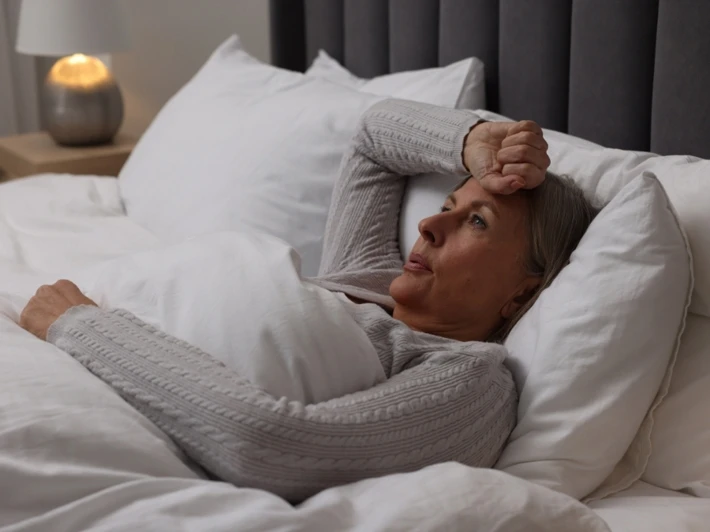
International data show that women aged 50 and over made up 26% of the world's women and girls in 2021, up from 22% a decade earlier, and that a woman who reached 60 in 2019 was expected to live another 21 years on average. These figures mean that post-menopause is no longer a brief chapter in a woman's life, but a long stretch of years that deserves to be understood before it arrives.
Yet knowledge of this stage remains limited in our societies. In a qualitative study of 29 Saudi women in Riyadh, aged between 40 and 64, only three said they had no symptoms or only very mild ones, and not one of them had consulted a family doctor about this stage.
"Menopause": a name that misses the truth
Menopause is medically defined as the cessation of the menstrual cycle for 12 consecutive months with no other clear cause. This means a woman does not know she has reached it until a full year has passed since her last period; it is a moment determined retrospectively, not a sudden event occurring on a particular day.
The common name "menopause" (in Arabic, "the age of despair") suggests an ending, but the reality is closer to a long transition. There is a stage preceding menopause that begins with the first signs—most often changes in cycle regularity—and ends one year after the last period, and it can last several years. During it, hormone levels decline gradually, which is why symptoms appear while a woman is still menstruating. Most participants in the Saudi study saw menopause as a natural part of life, citing among its positives relief from period pain and greater ease in praying and fasting at any time.
Symptoms go beyond hot flashes
Hot flashes and night sweats are the most common symptoms, affecting up to 80% of women at this stage. Other common symptoms include sleep disturbance, low mood, and memory problems. The symptoms do not end quickly: the average duration of hot flashes is 7 to 9 years, and they persist for more than 10 years in about a third of women.
The timing of onset reveals a lot. Among women whose symptoms appeared before menopause or early in the preceding stage, the median duration approached 12 years, compared with no more than 3 years for those whose symptoms began after menopause—meaning the duration in the first group is more than three times that of the second. Early onset of symptoms, therefore, does not mean they will be fleeting.
Bones and heart: changes a woman cannot see
Estrogen protects the bones, and when its level falls, bone density begins to decline. Estimates suggest a woman may lose up to 20% of her bone density in the five to seven years following menopause, the period of fastest decline. Specialized U.S. bodies estimate that about half of women over 50 will at some point suffer a fracture related to osteoporosis. The tissues supporting the pelvic organs also weaken, increasing the risk of prolapse.
Caring for the heart is no less important. Women face an accelerating risk of cardiovascular disease during this stage, with changes in body fat distribution and declines in cholesterol markers and vascular health; weight, blood pressure, and insulin resistance may all rise. Early menopause is a marker of higher later heart disease risk, and the advantage women enjoy over men in protection against these diseases gradually erodes after estrogen drops.
When should it not wait?
Some situations require seeing a doctor without delay. If symptoms of menopause appear before age 45, they should be brought to a doctor, who may order blood tests, as early menopause is associated with a higher likelihood of osteoporosis and heart disease. Replacing the lost hormones is important for those who reach this stage before 45, and can continue at least until the average age of natural menopause, unless there is a medical contraindication, such as certain types of breast cancer.
As for bleeding after menopause—that is, after 12 months have passed since the last period—it must not be left to chance. Common causes include thinning of vaginal tissues, benign uterine polyps, and hormone therapy, but the cause could be endometrial cancer in roughly one in ten women who experience this bleeding. A medical evaluation is therefore required, usually including an ultrasound scan, and possibly a biopsy of the endometrium.
Does the risk of pregnancy disappear?
It is difficult for a woman to know when ovulation has stopped permanently and with it the possibility of pregnancy, which is why a defined waiting period is used. If a woman is 50 or older and not using hormonal methods, she is advised to continue contraception for 12 months after her last period; if she is under 50, the period extends to 24 months—double the time. After age 55, pregnancy becomes very rare. Combined contraceptive pills, patches, and vaginal rings mask some symptoms and make it hard to pinpoint the date of menopause, and the follicle-stimulating hormone test is unreliable for their users.
Hormone therapy: what has changed?
For years, hormone therapy was a source of fear for many women, a fear clearly evident in the Saudi study, where hormone therapy was mostly rejected for fear of breast and cervical cancer. This fear stems from major U.S. studies linking estrogen plus progestin with increased breast cancer, and estrogen alone with increased stroke, while two other studies found an increased likelihood of dementia among women aged 65 to 79.
But the current picture is more precise and hinges on the timing of starting treatment. It carries more benefit than harm for women who start before age 60 or within ten years of menopause and have no medical contraindication; it is the most effective treatment for hot flashes and protects against bone loss and fractures. For those who start after 60 or more than ten years after menopause, the balance appears less favorable, due to the higher absolute risk of heart disease, stroke, clots, and dementia. It is not recommended for the purpose of preventing heart disease.
It is usually not advised in cases of unexplained vaginal bleeding, hormone-receptor-positive breast cancer, a recent clot, stroke, or heart attack, or liver disease; a history of clots or gallbladder disease may affect the choice of the appropriate type. Warning is also issued against custom-compounded hormones marketed as "bioidentical hormones," due to weak oversight, unclear dosing and purity, and a lack of sufficient data on their effectiveness and safety.
On November 10, 2025, the U.S. Food and Drug Administration announced the start of removing the boxed warning from menopausal hormone therapy products, and on February 12, 2026, it approved labeling changes for six products in the first batch, removing the statements related to heart disease, breast cancer, and possible dementia. However, the warning about endometrial cancer remains on standalone systemic estrogen products, and the risks of heart disease and breast cancer are still mentioned in other sections of the package insert. This is a U.S. decision, and the duration of treatment and when to start it remain a matter between a woman and her doctor.
Non-hormonal options
For women for whom hormone therapy is unsuitable or who do not want it, the latest medical reviews recommend several options, including cognitive behavioral therapy, clinical hypnotherapy, certain antidepressants, gabapentin, and fezolinetant. The antidepressants sertraline and fluoxetine are excluded, as their effect on hot flashes was not statistically significant.
The same review found insufficient evidence for the benefit of herbal supplements, soy products, and acupuncture in relieving hot flashes, so they should not be relied upon as a substitute for medical evaluation.
In recent years, new non-hormonal drugs have emerged that target neurological pathways involved in regulating body temperature, including fezolinetant, for which the U.S. Food and Drug Administration added a boxed warning on December 18, 2024 about a rare but serious liver injury, and elinzanetant, which has been approved to treat moderate to severe hot flashes, with its package insert recommending liver function testing before starting and three months into treatment. Availability of these drugs varies between countries, and a doctor or pharmacist should be consulted to confirm their availability in the Kingdom.
Before 50: what should a woman do?
Preparation begins with knowing the mother's age at menopause, one of the factors associated with the timing of a daughter's menopause, according to the Saudi study. Keeping a record of period dates and sleep and mood symptoms helps the doctor estimate where a woman stands in this stage. A woman should ask her doctor about measuring her blood pressure, lipid and blood sugar levels, and when to have a bone density scan—these are the aspects that change silently, and this stage is a good time to monitor heart health closely.
After 50, a woman needs about 1,200 mg of calcium daily and at least two and a half hours of physical activity per week combining weight-bearing exercise and muscle strengthening—about half an hour on five days. The dose of vitamin D is determined by a doctor after checking its blood level. Quitting smoking has a direct effect, as it is one of the factors that raise the likelihood of early menopause.
The most important step remains for a woman to speak about what she is going through: hidden symptoms go untreated, and a stage that begins before 50 and lasts for years deserves to be discussed with a doctor as seriously as any other health issue. The information in this report is for awareness purposes and does not replace a doctor's assessment of each woman's case.
● Notice to (new) website visitors:You can subscribe to the news via WhatsApp for freeClick hereto receive everything new and exclusive. .Source akhbaar24