Discount Stores vs. Hypermarkets: Who Wins the Price Battle?
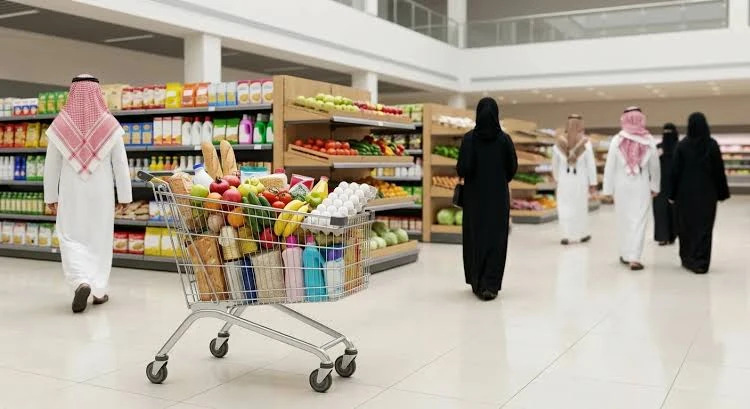
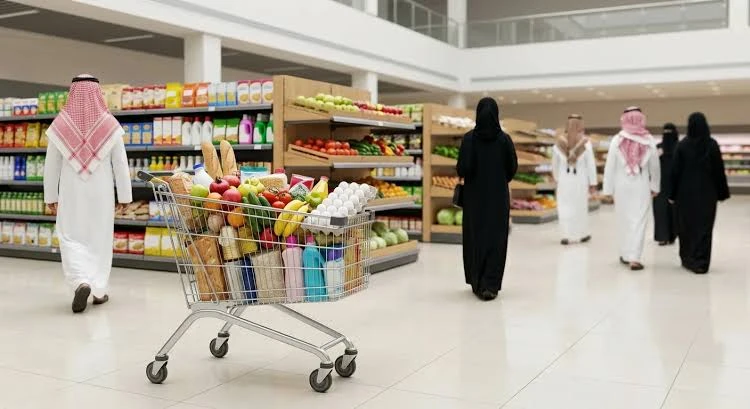
Discount grocery stores in Saudi Arabia have opened a broad front of debate within the food and retail sector, after their low prices pushed a growing segment of consumers to change their shopping destinations. Some food companies and suppliers believe the deep discounts are squeezing profit margins and creating uneven price competition, but the discount stores insist what they offer is not a "price war" but a business model based on cutting costs and bulk purchasing to deliver more attractive prices to consumers.
As these stores' presence in the market has expanded, the debate has shifted from a mere disagreement over price levels to broader questions about the future of competition in the food retail sector, and the ability of companies and suppliers to adapt to a new reality that puts price at the top of consumer priorities. This comes as Saudi consumers increasingly hunt for the lowest prices and the best money-saving deals, which has fueled the growth of discount stores that now command a growing share of household spending on food and consumer goods.
A Shift in Consumer Behavior
Sector observers attribute the success of discount stores to changes in consumer behavior in recent years, with price becoming a decisive factor in everyday purchasing decisions. These stores have benefited from this shift by offering a focused assortment of essential goods at competitive prices, while relying on lower-cost operations compared to traditional large retailers.
This has attracted a wide segment of shoppers, prompting many households to shift part of their regular purchases from hypermarkets and supermarkets to discount outlets in search of savings.
For their part, some food companies and suppliers fear that continued deep discounting could impose mounting pressure on producers and manufacturers, especially given rising production, operating, and supply chain costs.
These companies say the excessive focus on price could push suppliers to offer continuous discounts to keep their products on shelves, which could hurt their profitability and their ability to expand and invest in the future. Some industry workers also believe fierce price competition could put traditional retailers under major strain given differences in operating costs, rents, and the services they offer customers.
Discount Stores: We Are Not Responsible for Falling Prices
On the other side, discount stores reject describing what is happening as a "price war," insisting that lower prices stem from a different business model based on bulk purchasing, rapid inventory turnover, and reduced operating expenses, which allows them to offer lower prices without selling at a loss.
Supporters of this approach argue that the primary beneficiary of this competition is the consumer, who now has wider options to meet daily needs at more affordable prices, especially for essential goods that make up a major part of household budgets.
Experts agree that the real challenge lies not in falling prices themselves, but in ensuring fair competition continues in the market. While low prices are a natural outcome of any competitive market, any practices that may aim to drive competitors out of the market by selling below cost for extended periods are a different matter subject to regulation and oversight.
Economists stressed that the presence of diverse business models — including traditional stores, hypermarkets, and discount stores — contributes to a healthy competitive environment, provided competition is based on operational efficiency and improved services rather than practices that could affect the market's long-term sustainability.
Clear Price Gaps
The complaints of some suppliers and food companies rest on notable price differences between discount stores and traditional retailers on a number of essential consumer goods. Industry workers noted that some packaged food products, dairy items, beverages, and staples are sometimes sold at discount stores for 10 to 30 percent less, and up to 100 percent less on a limited number of products, compared to some other outlets during promotion and discount periods.
Suppliers believe this wide price gap increases pressure on manufacturers to maintain competitive prices, while discount stores insist the differences stem from large purchase volumes and lower operating costs, not from selling at a loss.
The current debate reflects a transformation underway in the Kingdom's food retail sector, rather than a passing dispute between suppliers and retailers. As discount stores play a growing role and their customer base widens, food companies and retailers find themselves facing a new reality that calls for a rethink of pricing, distribution, and cost-management strategies.
Amid these changes, the question remains open: Are discount stores a more efficient model that recalibrates market prices in consumers' favor, or will mounting price pressure impose new challenges on food companies and suppliers in the years ahead?
● Notice to (new) site visitors:You can subscribe to news via WhatsApp for freeClick hereto get everything new and exclusive.Source akhbaar24