4 Common Winter Myths: Does Cold Protect You from Illness and Sunburn?
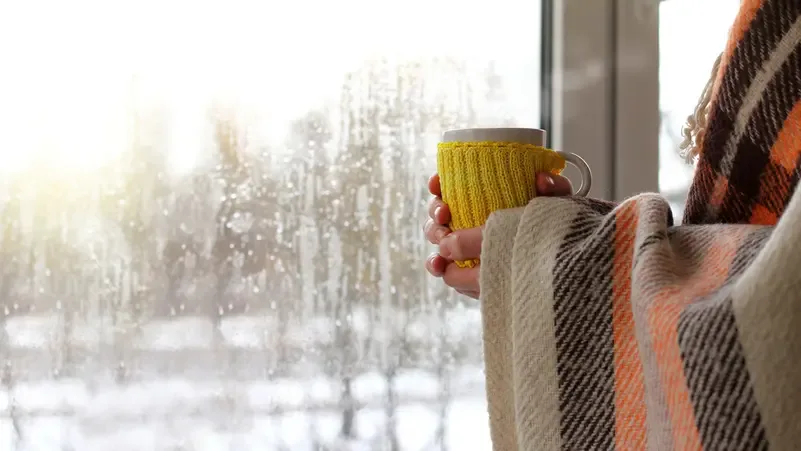
With winter's arrival, misconceptions spread — that the head loses most body heat, that hot drinks quickly raise body temperature, that cold alone causes illness, and that sunburn doesn't happen in winter. A report by Healthline confirms that the scientific reality contradicts these notions.
As temperatures drop and winter approaches, much is said about the cold's effects on the body and how to deal with it. While some of these beliefs may seem logical, they are not necessarily grounded in scientific fact. Healthline has identified the 4 most common myths and revealed the scientific truth behind each one.
Myth 1: We lose most body heat through the head
It is often said that the head is responsible for losing most body heat, with some claiming the figure reaches 80%. This information is inaccurate: the body loses heat through all parts exposed to the cold, not through the head alone.
The head accounts for only about 7 to 10% of the body's surface area, so it does not lose heat at an exceptionally higher rate than other parts. This does not mean you should skip the hat in cold weather; covering the head remains useful for staying warm, just as protecting the hands, feet and the rest of the body does.
Myth 2: Hot drinks quickly raise body temperature
Drinking a cup of hot tea or coffee after coming in from outside may seem like the perfect way to shake off the cold. While a warm drink provides a feeling of comfort, it does not significantly raise core body temperature simply by being consumed. The same applies to cold drinks, which do not substantially lower core body temperature just by drinking them.
Notably, hot drinks may actually help cool the body in hot weather, as they can stimulate sweating, and as sweat evaporates from the skin's surface, body temperature drops. So there is no need to give up your favorite drinks in winter, but you should not rely on them alone for warmth.
Myth 3: Cold weather makes us more susceptible to illness
Many people link going out in cold weather with catching colds, influenza and respiratory syncytial virus (RSV). But these illnesses are caused by viruses, not by falling temperatures themselves.
Still, there is a grain of truth in this belief: in winter, people tend to spend more time indoors, where contact with others increases, and poor ventilation and recirculated air can contribute to the spread of infection. These risks can be reduced by regularly ventilating enclosed spaces and using high-efficiency particulate air (HEPA) filters. Also, going out for a walk or exercising in cold weather, when conditions are suitable, can help invigorate the body and improve the feeling of well-being.
Myth 4: You cannot get sunburned in winter
Lower temperatures do not mean the danger of the sun's rays disappears; ultraviolet radiation — not the sensation of heat — is responsible for sunburn, and it can reach the skin even on cloudy or foggy days.
The risk is greater for those who practice winter sports such as skiing, especially at high altitudes, where the atmosphere is less capable of absorbing ultraviolet rays. Snow also reflects up to 80% of these rays, increasing the skin's exposure to them.
How can you protect your skin from the sun in winter?
Sun protection is not limited to the summer months; it is important to wear clothing that covers exposed skin, paying attention to the face, neck and ears, and to use a broad-spectrum sunscreen with an SPF of at least 15. It is also advisable to reduce direct sun exposure during peak hours, usually between 10 a.m. and 2 p.m., especially when engaging in outdoor activities for extended periods.
Knowing the truth helps you prepare for winter
Some beliefs associated with cold weather may seem self-evident because they are repeated so often, but they do not always reflect what actually happens inside the body. Knowing the difference between fact and myth helps you navigate winter more wisely, whether in choosing appropriate clothing, preventing infection, or protecting your skin from the sun's rays.
Source sabq