New Regulations for Military Companies: Security Requirements and Controls on Foreign Contracting
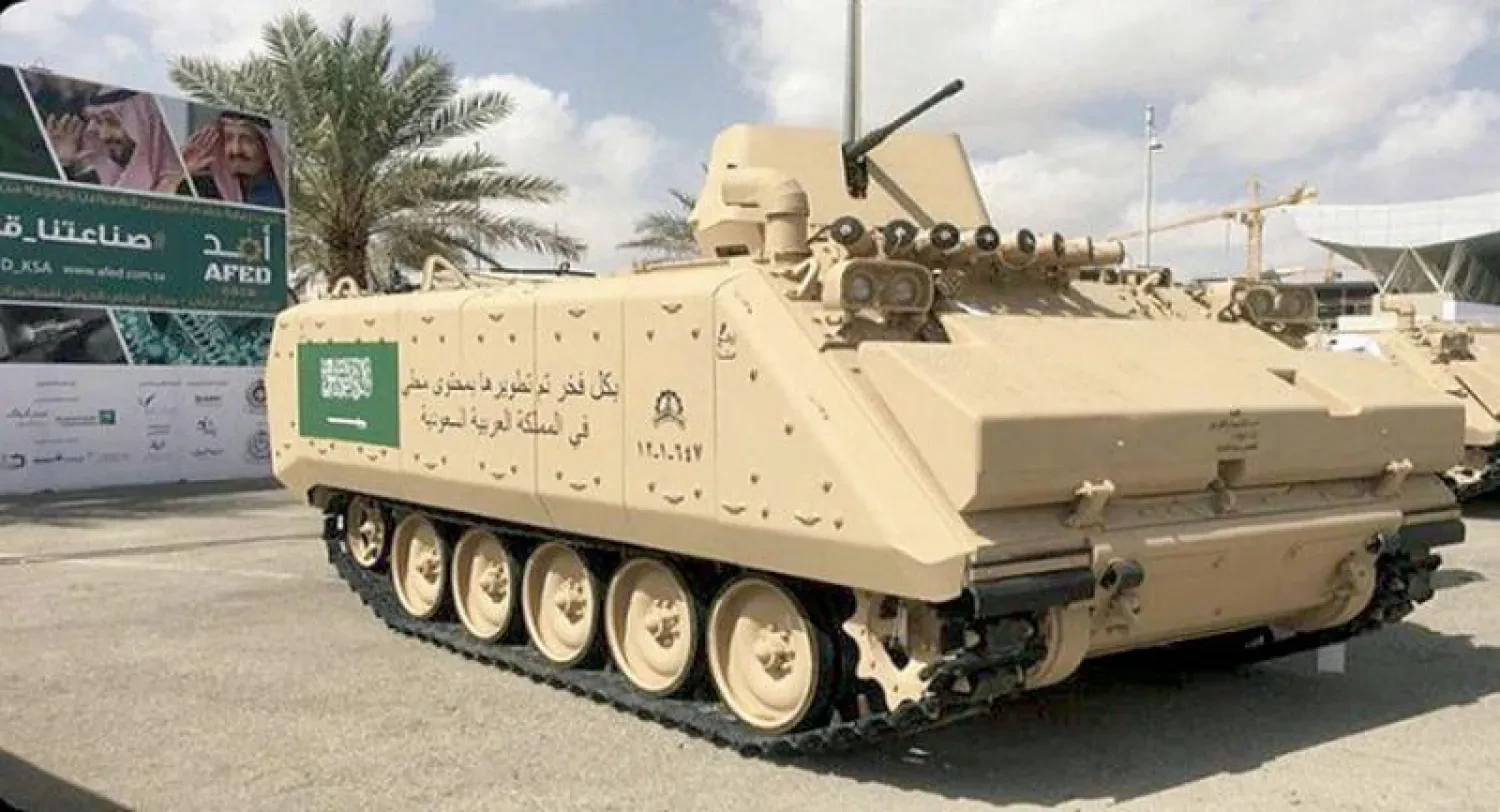
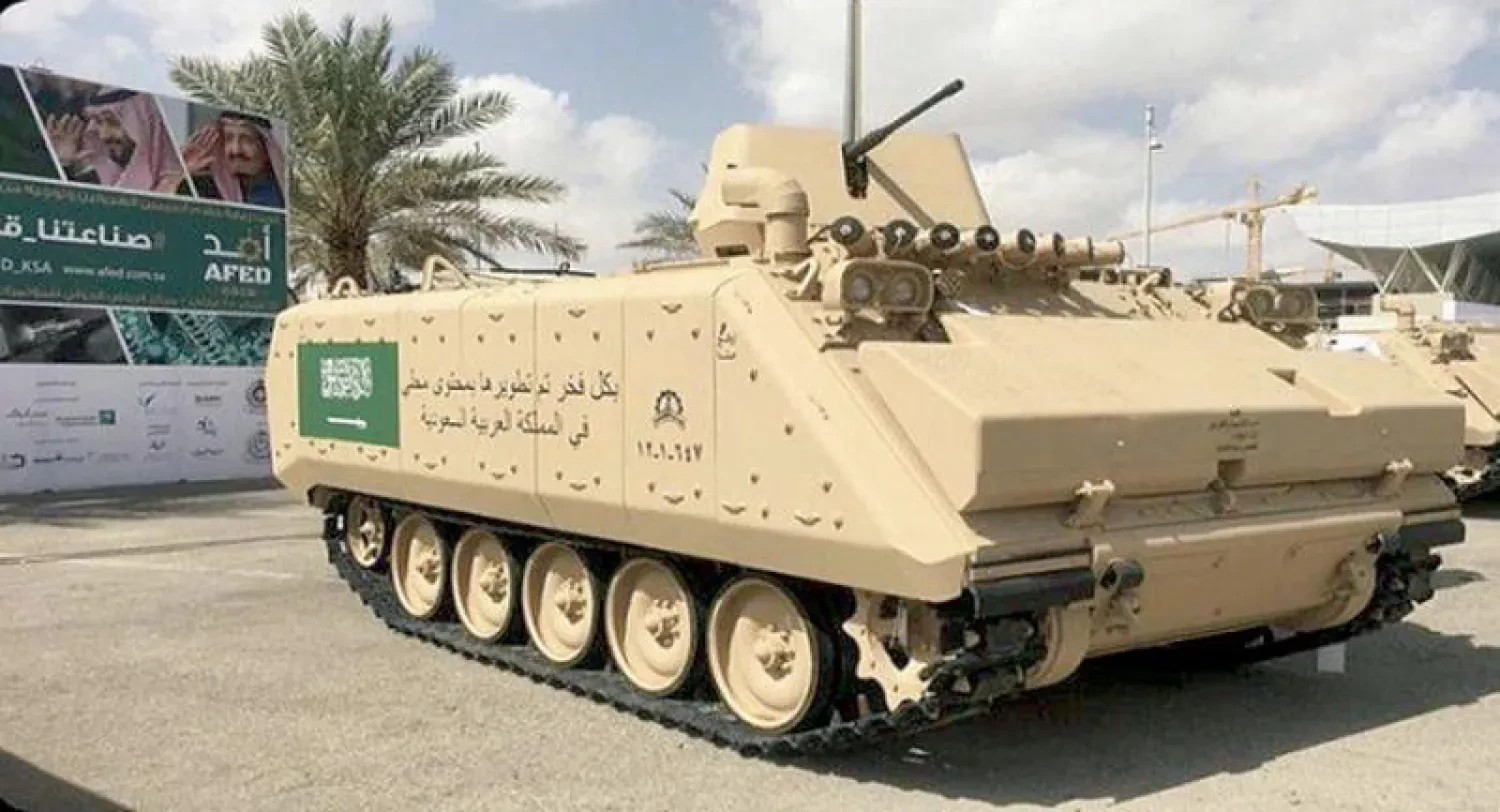
A draft update to the regulations governing military industry activities, put forward by the General Authority for Military Industries, establishes an expanded regulatory framework for the sector's activities, starting from the establishment and licensing stage and extending to operation, oversight, inspection, export, transport, information disclosure, and penalties, with national security requirements and sovereign interests given priority in the application of the regulations' provisions.
The draft, published on the Istitla'a platform for public consultation before approval, consists of 64 articles across 11 chapters, and aims to regulate the practice of military industry activities within the Kingdom, set out the provisions, requirements, and procedures for licenses, oversight, and compliance, while supporting the localization of military industries and services, technology transfer, building national capabilities, and strengthening the national industrial base.
Two licenses: establishment and operational
The draft distinguishes between the establishment license, which enables its holder to complete pre-operational requirements but does not permit actual military activity, and the operational license, which allows the practice of licensed activities. It exempts the activity of supplying military products from the requirement to obtain an establishment license, and allows the Authority to exempt other activities where their nature does not require prior regulatory, technical, security, or operational procedures.
The draft specifies 3 types of operational licenses: military manufacturing, provision of military services, and supply of military products, each to be issued separately, though a single license may cover more than one activity, product, or service within the same type when they are interrelated or necessary for a single project.
Among the key provisions, the operational license will be indefinite by default, unless the license itself stipulates otherwise or the nature of the activity requires a fixed duration, and it may be limited to a specific period, project, contract, or operational purpose.
60 days to decide on license applications
The draft sets procedural timelines: the Authority will review an establishment or operational license application within no more than 15 days from its registration, the applicant is given at least 10 days to complete any deficiencies, and the decision to accept or reject the license application is issued within no more than 60 days of its completion.
The draft allows the establishment license to be canceled if its holder fails to meet the operational license requirements within two years of its issuance, after being notified and given at least 30 days to submit justifications and documents.
Security screening for beneficiaries and sensitive positions
The draft sets expanded security screening requirements based on the nature and sensitivity of the activity, to include persons in control and beneficial owners, members of the board of directors or executive board and the authorized signatory, executive management, and holders of sensitive positions. It also prohibits enabling any person in these categories to access sensitive sites, systems, or data by virtue of their work before meeting security screening requirements.
As for foreign entities, the draft requires them to demonstrate a clean regulatory and oversight record, operational experience, and the ability to comply with export controls, security, and anti-corruption rules. It also allows the General Authority for Military Industries to require them to transfer technology, engage in industrial participation, build national capabilities, or localize supply chains. For activities of the highest sensitivity or strategic importance, it may require a local partner or an alliance with a national entity.
Approval required for material changes
The draft obliges license holders to obtain prior approval from the Authority before making any material change, including adding or removing a military activity, product, or service; changing the approved site or adding a new one; and changes in ownership if they affect control or the beneficial owner. It sets a period of up to 60 days to decide on a material change request.
The draft also devotes a separate chapter to technical changes in production lines, products, components, materials, technologies, and operational processes, subjecting changes with significant impact to prior approval, with technical change requests to be decided within 30 days of completion.
Records to be retained for 10 years
Among the notable regulatory provisions is the requirement for facilities to retain operational, technical, and production records, as well as supply, procurement, contractor, supplier, compliance, incident, and corrective action records, for at least 10 years from their date of preparation, while ensuring their confidentiality, protection, and availability to the Authority upon request.
Restrictions on photography and publishing
The draft places strong emphasis on protecting sensitive military information, requiring prior approval from the Authority before publishing or releasing any visual, audio, or written content about facilities, production lines, products, equipment, tests, services, or personnel, whenever such content could reveal sensitive security, technical, operational, or contractual information.
It also requires the Authority's approval before receiving delegations, visitors, media outlets, photographers, and external parties at relevant military sites whenever the visit would allow access to sensitive information or capabilities, and allows the Authority to request the deletion, blocking, or modification of content published in violation, or the suspension of an advertising campaign, media activity, or visit.
Special provisions on disclosures by listed companies
The draft sets provisions for listed companies or subsidiaries of listed companies, requiring them to coordinate with the Authority before disclosing information regarding a sensitive military or security contract, project, product, or service, to verify that the disclosure does not compromise national security, sovereign interests, or confidentiality requirements, without prejudice to the companies' obligations under the rules and regulations governing the capital market.
It allows the Authority, in the presence of sensitive information, to request modification of the disclosure's wording, redaction of some of its data, its generalization, or postponement of its publication. It also permits settling for a general statement including, for example, the overall or approximate financial impact, without disclosing the name of the beneficiary entity or the project's details, specifications, quantities, locations, and timelines.
Export and contracting with foreign entities
On foreign trade, the draft requires the Authority's approval or prior authorization for every import, export, or re-export of military products, with the application evaluated according to the product's nature and sensitivity, destination, end user, purpose of the transaction, and the license holder's compliance record.
Among the important provisions is the requirement for facilities to notify the Authority upon receiving a purchase request, offer, or contracting opportunity from outside the Kingdom if it would result in exporting military products or providing military services to a foreign entity. No contract, arrangement, or memorandum of understanding involving a material commitment or enforceable effect with a foreign entity related to the export or re-export of products, provision of services, or transfer of military products or technologies may be concluded except after prior written approval from the Authority. The draft also requires the Authority's approval for the transport of military products, components, and equipment.
Suspension of licenses for certain activities and competition among applicants
Among the important new regulatory powers highlighted by the draft is enabling the Authority, in light of national security requirements and sovereign interests, to suspend the acceptance of license applications for a specific activity or limit the number of licenses granted for it, based on the activity's sensitivity, actual need, production capacity, and security and operational risks.
If the number of licenses is limited, applications may be subject to competition based on announced criteria, including technical and operational aspects, financial capacity, experience, localization and technology transfer plans, local content ratio, a clean regulatory record, and national security requirements.
Surprise inspections and immediate suspension of activity
The draft expands the oversight and inspection framework to include periodic inspections; surprise inspections without prior notice in the event of reports, incidents, complaints, or suspicion of a violation; and inspections prior to granting an operational license or approving material and technical changes.
It grants inspectors the power to enter sites and facilities, examine records, data, materials, equipment, and systems, request clarifications, document violations, and collect evidence. It also deems refusal to enable inspectors, providing misleading information, or obstructing inspections a serious violation, and allows the Authority to immediately suspend activity, wholly or partly, if inspections reveal an actual or potential threat to national security, safety, military and industrial security, or information protection.
Penalties up to license cancellation and exclusion from contracts
The penalties the draft allows range from warnings and corrective actions, to restricting the license's scope, imposing additional conditions, and suspending it wholly or partly, up to canceling the license, barring the violator from applying for a new license for a period determined by the Authority, or barring them from bidding on military procurement contracts managed by the Authority.
In return, the draft guarantees the right to appeal final decisions, including rejection, restriction, suspension, or cancellation of a license, rejection of material and technical changes, penalties, and exclusion decisions, provided the appeal is filed within 60 days of notification of the decision, and the grievances committee decides on it within no more than 60 days of submission. Filing an appeal does not stay execution of the decision unless the committee rules otherwise.
One year to comply
The draft keeps existing permits and licenses valid until they are reissued, amended, or canceled under the new regulations, and obliges their holders to rectify their status within no more than 12 months from the date the regulations take effect, with the possibility of extending the period by up to 6 additional months upon submitting justifications acceptable to the Authority.
The regulations are set to take effect 180 days after their publication, replacing the regulations governing military industry activities in the Kingdom issued in 1440 AH, and repealing anything that conflicts with their provisions.
● Notice to (new) website visitors:You can subscribe to news via WhatsApp for freeClick hereto receive everything new and exclusive.Source akhbaar24