Astro-Tourism in the Makkah Region: Natural Assets and Promising Horizons
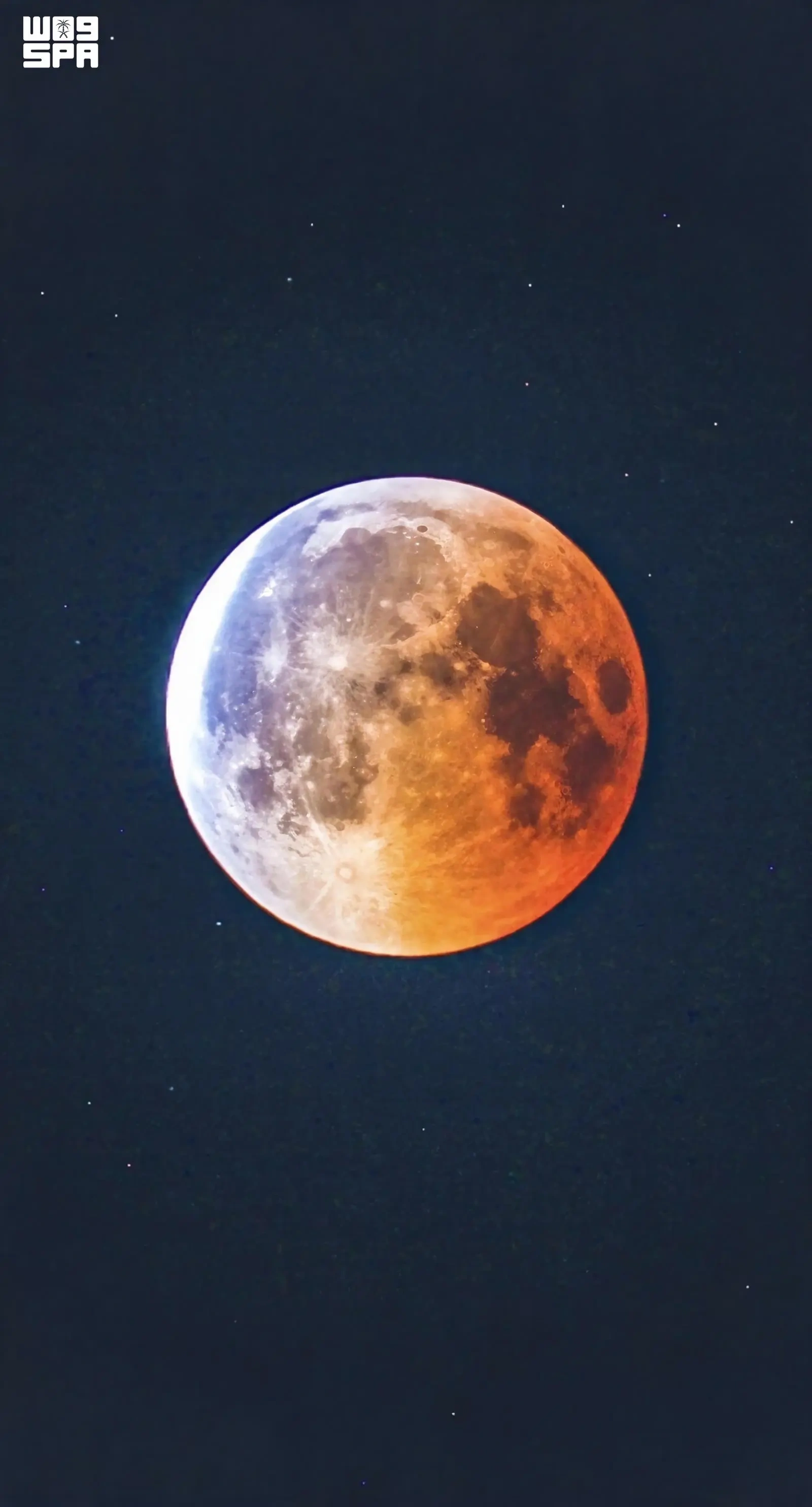
The natural sites of the Makkah region, with their diverse terrain stretching from Red Sea coastlines and open desert expanses to mountain highlands, offer opportunities to develop astro-tourism, a form of tourism that combines leisure, exploration, and knowledge, drawing its appeal from the beauty of the night sky far from city lights, in experiences that allow visitors to observe stars, planets, and astronomical phenomena and practice astrophotography.
Majed Abu Zahra, chairman of the Jeddah Astronomical Society, told the Saudi Press Agency that winter is one of the suitable seasons for astronomical observation activities in the region, given the milder temperatures compared to summer and the longer night hours. He noted that winter evenings allow viewers to see a number of constellations, bright stars, and star clusters, including the Pleiades cluster, along with seasonal astronomical phenomena, most notably the Geminid meteor shower in December and the Quadrantids in January, creating opportunities to organize tourist and educational experiences suitable for all segments of society.
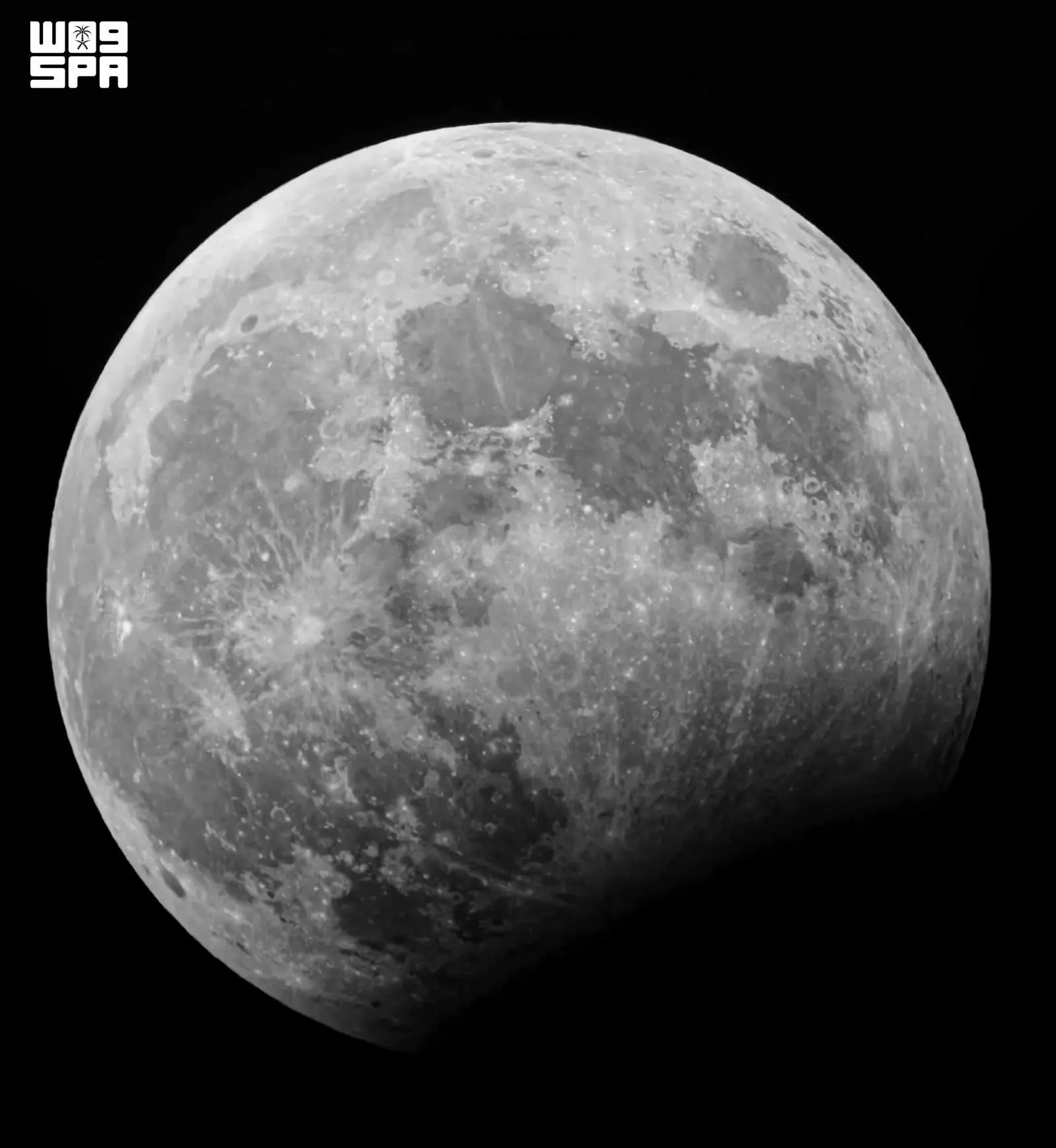
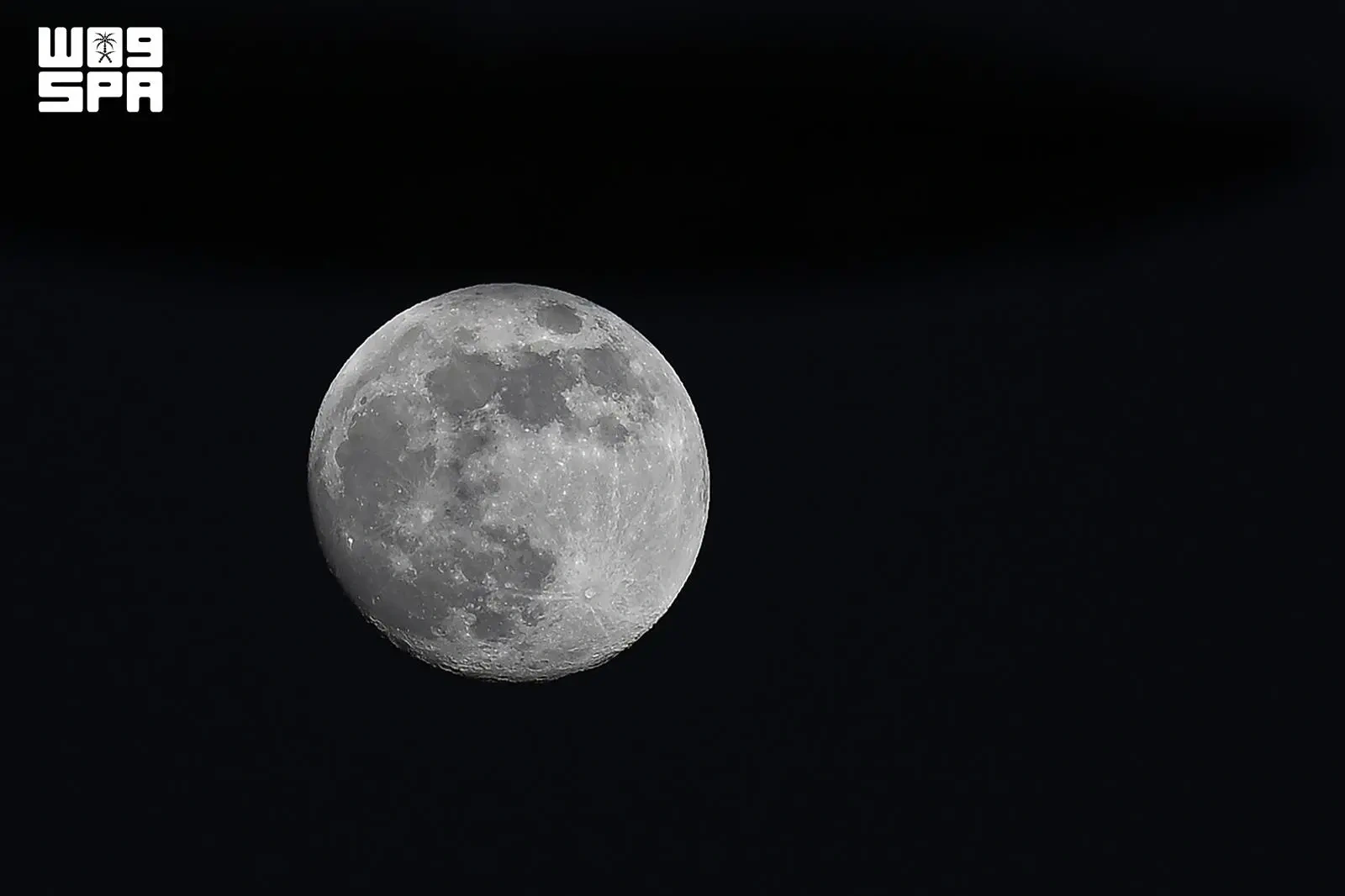
He said the society has observed community interest in sky-watching, especially among young people and photography and desert-trip enthusiasts, with advances in night photography technology and the spread of smartphones and digital cameras making it easier to document astronomical scenes. He stressed the importance of conducting studies and field surveys to measure the scale of interest in this activity, identify the needs of target groups, and build on the culture of desert trips and camping to offer experiences that combine entertainment with scientific knowledge.
Abu Zahra said developing astro-tourism in the Makkah region could rest on three complementary tracks: conducting field surveys of candidate observation sites and measuring light pollution levels and sky quality; equipping observation sites with astronomical instruments and engaging qualified guides; and protecting the night environment by adopting lighting solutions that take account of observation requirements and safety. He pointed to the potential of drawing on AlUla's experience in incorporating the dark sky into its tourism identity, after four of its sites received international accreditation under the Dark Sky Places program.
Proposed initiatives to develop this form of tourism are numerous, ranging from organizing astronomy evenings and dedicated meteor-watching trips, and setting up camps and astrophotography workshops, to designing educational and recreational programs for children and families, and developing tourist itineraries combining visits to natural and heritage sites by day with sky observation at night, alongside highlighting the cultural heritage linked to the use of stars in navigation, finding directions, and knowing the seasons.
The chairman of the Jeddah Astronomical Society affirmed that the future of astro-tourism hinges on moving from individual trips to developing integrated tourism products based on carefully studied sites, organized programs, and specialized expertise, through cooperation among tourism and scientific bodies and the private sector. He pointed to the economic opportunities this sector could provide for tourism establishments, local guides, and tour operators, and to transforming the night sky into a sustainable scientific, cultural, and tourism resource while preserving its quality for future generations.
 ● Notice to (new) site visitors:You can subscribe to news via WhatsApp for freeClick hereto get everything new and exclusive.
Source almowaten