Common Home Blood Pressure Measurement Mistake May Mislead Your Treatment Decisions
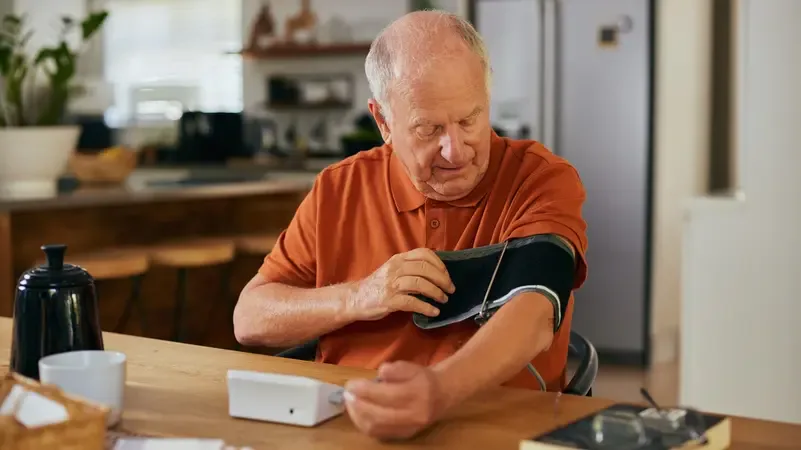
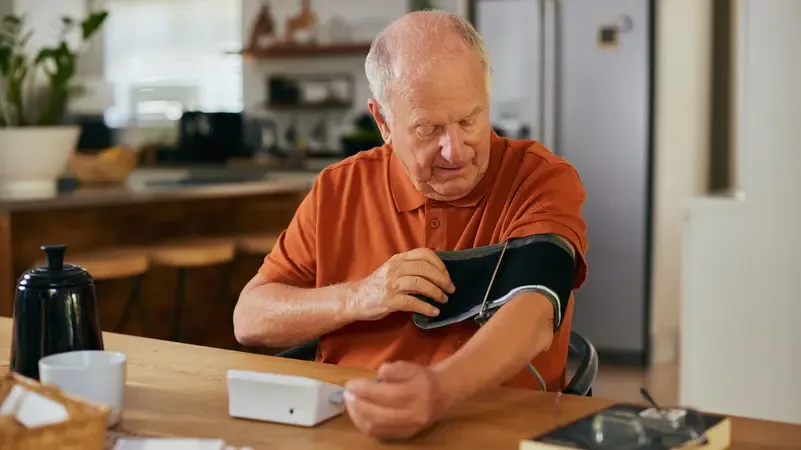
Experts warn that using a cuff that is the wrong size for the arm produces misleading home blood pressure readings and may lead to incorrect treatment decisions. They recommend measuring arm circumference, sitting quietly for five minutes, and placing the cuff on bare skin at heart level.
Home blood pressure monitoring is an important tool for tracking heart health, especially for people with high blood pressure. But getting an accurate reading does not depend on the device alone; a simple mistake during measurement can produce misleading results and may even affect treatment decisions.
One of the most common mistakes is using a device cuff that is the wrong size for the arm, according to specialized nursing practitioners, as this can overestimate blood pressure or register it at levels lower than it actually is, according to a report published by Eating Well.
Device Cuff Size: A Detail Not to Be Overlooked
Most home blood pressure monitors come with a standard-size cuff, but it does not fit everyone. When a cuff that is too small is used, it presses harder on the arm to temporarily close the artery, which may produce a reading higher than the true blood pressure.
Conversely, a cuff that is too large may give a reading lower than the actual level. A study published in 2023 showed that using a cuff larger than the proper size lowered the reading by about 3.6 mmHg, while using a cuff smaller than needed raised readings by between 4.8 and 19.5 mmHg.
Inappropriate Treatment Decisions
These repeated errors may lead to inappropriate treatment decisions, either by increasing medication dosage unnecessarily, which may cause blood pressure to drop too low along with dizziness or fainting, or by failing to control it adequately, which increases the risks of heart attacks and strokes.
To avoid this, it is advisable to measure the circumference of the mid-upper arm with a flexible measuring tape and then choose a cuff whose size range matches the arm circumference.
5 Steps for an Accurate Reading
Proper measurement is not limited to choosing the right cuff; it also requires following several steps. The first is sitting quietly for 5 minutes before measuring, with an empty bladder, and avoiding smoking or caffeine in the preceding 30 minutes, as these factors can temporarily raise blood pressure.
You should also sit with your back supported and your feet flat on the floor without crossing your legs. The arm should be supported on a table so the cuff is at heart level, because leaving the arm hanging or unsupported can produce readings higher than actual.
Placing the Cuff Directly on the Skin
It is important to place the cuff directly on the skin, about 2.5 centimeters above the elbow crease, and to avoid wearing it over clothing or rolling up sleeves in a way that constricts the arm.
You should also avoid talking or using the phone during measurement, as movement and distraction can affect the results. It is best to measure at the same time each day according to the doctor's recommendations, taking two readings one minute apart, ideally repeating this in the morning and evening.
How to Choose the Right Blood Pressure Monitor?
Experts advise choosing a device that fits on the upper arm rather than wrist or finger devices, as these are more sensitive to body and arm position and may be less reliable.
It is also preferable to make sure the device has passed independent accuracy validation tests and to review lists of validated devices before buying. It is useful to bring the device to a medical appointment to compare its readings with the clinic device's results, verifying its accuracy at purchase and then periodically.
When Should a Reading Cause Concern?
Blood pressure is classified as normal when it is below 120/80 mmHg, while readings of 130/80 or higher fall within the high blood pressure range.
If a reading is unexpectedly high or low, it is advisable to check body and cuff position and repeat the measurement. Persistently high readings warrant contacting a doctor.
Immediate medical care should be sought if a severe rise in blood pressure is recorded accompanied by symptoms such as chest pain, shortness of breath, severe headache, vision changes, or neurological symptoms.
In short, home blood pressure monitoring is an effective way to track heart health, but its accuracy starts with choosing the right cuff, sitting correctly, and sticking to a fixed measurement time, without relying on a single reading to make treatment decisions.
Source sabq