Mossad Chief Calls for Joint Strikes on Iran in Meetings with U.S. Officials
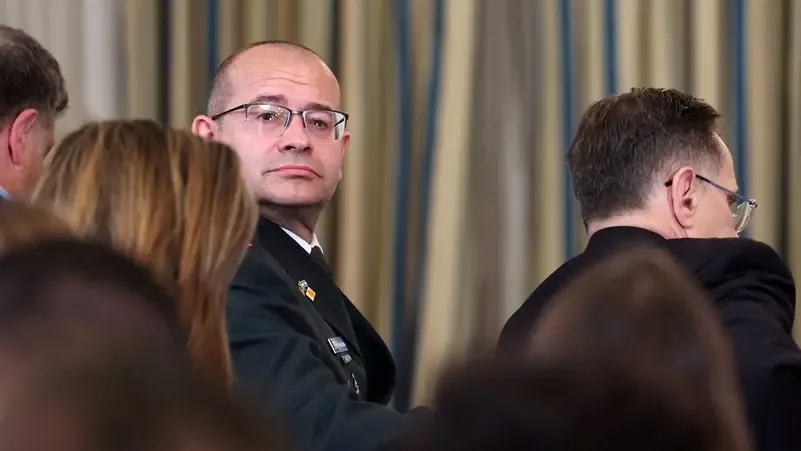
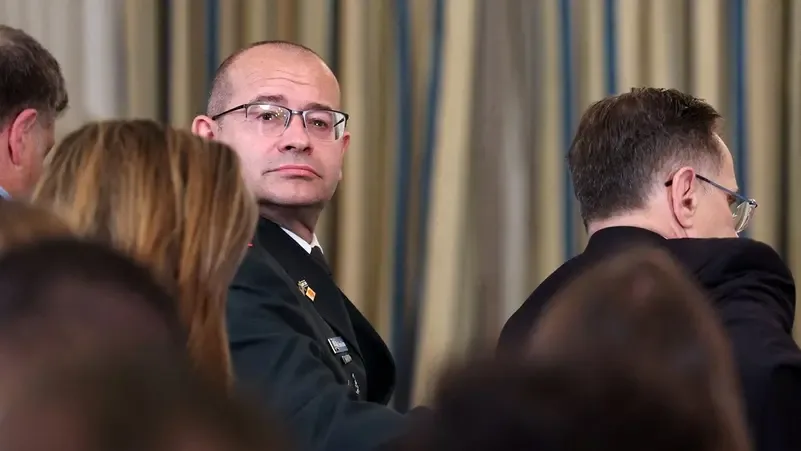
Two informed sources revealed that Mossad chief Roman Gofman called during meetings in Washington and Miami for joint U.S.-Israeli strikes on Iran and briefed U.S. officials on intelligence regarding its nuclear program, while the White House believes economic pressure is sufficient without major combat operations.
Mossad chief Roman Gofman called for joint U.S.-Israeli strikes on Iran during meetings held last week with officials in the U.S. administration, according to two informed sources who spoke to Reuters.
The two sources said Gofman met in Washington with a number of U.S. officials, most notably CIA Director John Ratcliffe, and briefed them on Israeli intelligence related to Iran, with one of the sources saying the information centered on Iran's nuclear program, which is a central focus of the ongoing diplomacy between Washington and Tehran.
Israeli media reported that Gofman also traveled to Miami to meet Steve Witkoff, the special envoy of U.S. President Donald Trump, who is leading part of U.S. diplomatic efforts on Iran and Ukraine.
The visit came after Trump announced on November 9 that he was postponing strikes on Iran, following a meeting with the prime minister of Qatar, which is playing a mediating role in indirect talks between Washington and Tehran aimed at averting a slide into all-out war.
A third source involved in diplomatic efforts between the United States and Iran said Gulf state leaders spoke directly with Trump and asked him not to attack Tehran, fearing Iran would carry out its threats and launch attacks on Gulf states in response to any strike.
All the sources spoke on condition of anonymity because they were not authorized to make public statements.
By contrast, a White House official affirmed that Trump believes the economic pressure campaign the United States is waging is 'devastating' for Iran and that there is no need for 'major combat operations,' while noting that the president is keeping all options on the table to ensure Iran does not obtain a nuclear weapon. The official declined to comment on any meeting between Gofman and Ratcliffe, and the CIA declined to comment.
** Netanyahu Believes the Window for an Attack Is Narrowing
During the same period Gofman was in the United States, former Israeli minister Ron Dermer, one of those closest to Prime Minister Benjamin Netanyahu, was also in Washington urging a joint attack in meetings with officials in the Trump administration.
The two sources said Gofman's and Dermer's contacts with U.S. officials were part of Netanyahu's efforts to persuade Trump to launch a new attack on Iran, adding that Netanyahu believes the opportunity to carry out such an attack is shrinking, particularly as Israel fears the United States may move to withdraw its large military deployment in the region before the end of the year.
These moves come amid an extremely sensitive domestic political situation, as Netanyahu, who became caretaker prime minister following inconclusive elections last month, faces accusations from political rivals of seeking to escalate the conflict to improve his weak political standing — allegations he denies. His office, which responds to media inquiries on behalf of the Mossad, did not respond to a request for comment.
** A Fragile Ceasefire and Recurrent Escalation
Notably, the war launched by the United States and Israel on February 28 killed Iran's Supreme Leader Ayatollah Ali Khamenei and prompted Iran to attack U.S.-allied Gulf states. A fragile ceasefire has held since April, but the two sides have exchanged fire repeatedly, including this week, when the United States struck an Iranian island and Iran launched attacks on Kuwait and Bahrain.
Trump's positions have oscillated in recent weeks between threatening to escalate the war with new strikes and seeking to de-escalate the fighting, while U.S. officials stress he has not yet decided how to end a conflict that has become politically unpopular at home.
By contrast, the Israeli military assesses that Iran does not pose an imminent threat to Israel, meaning immediate military action is not necessary, and the military did not respond to a request for comment. Two European officials also said there were no indications Iran's government was on the verge of collapse despite the severe economic pressures on its economy, expressing skepticism about what Washington and Tel Aviv could achieve with a new military attack.
Source sabq