Mecca's Squares: Urban Spaces Evoking the Legacy of Place and Celebrating the Arts
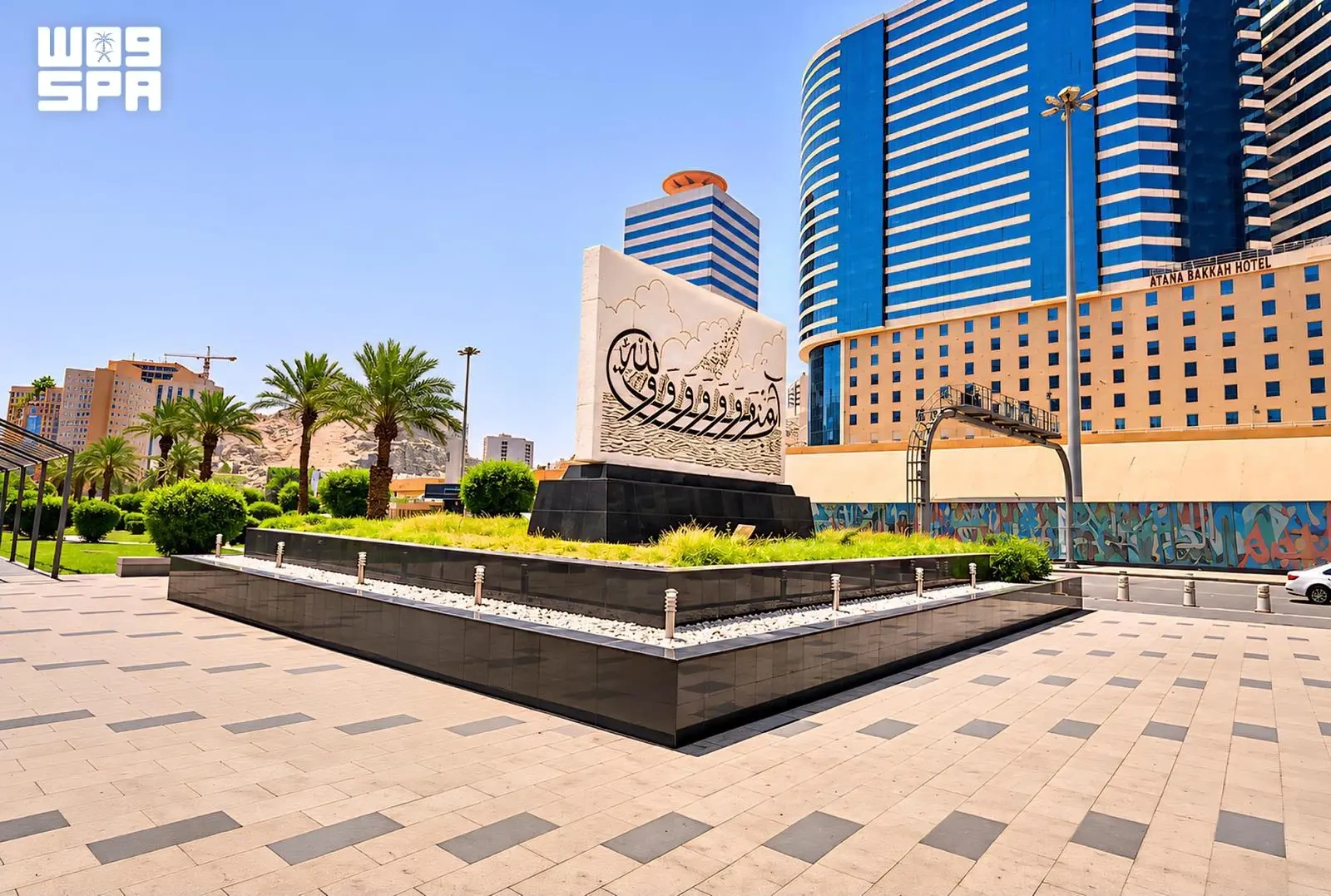
The squares of Mecca represent a prominent component of the city's urban and cultural identity, bearing historical and social significance while adding aesthetic dimensions to the urban landscape. They go beyond their function as open plazas and gathering spaces to become settings that evoke the memory of the place, reflect the features of Meccan life, and highlight the connection between people and their city and its ancient history.
These squares, in their urban details and visual surroundings, carry features of Meccan heritage shaped over centuries of social and cultural interaction. Public squares and spaces were historically linked to market activity, residents' gatherings, travel routes, and daily life, contributing to a spatial memory passed down through generations and remaining part of Mecca's civilizational landscape.
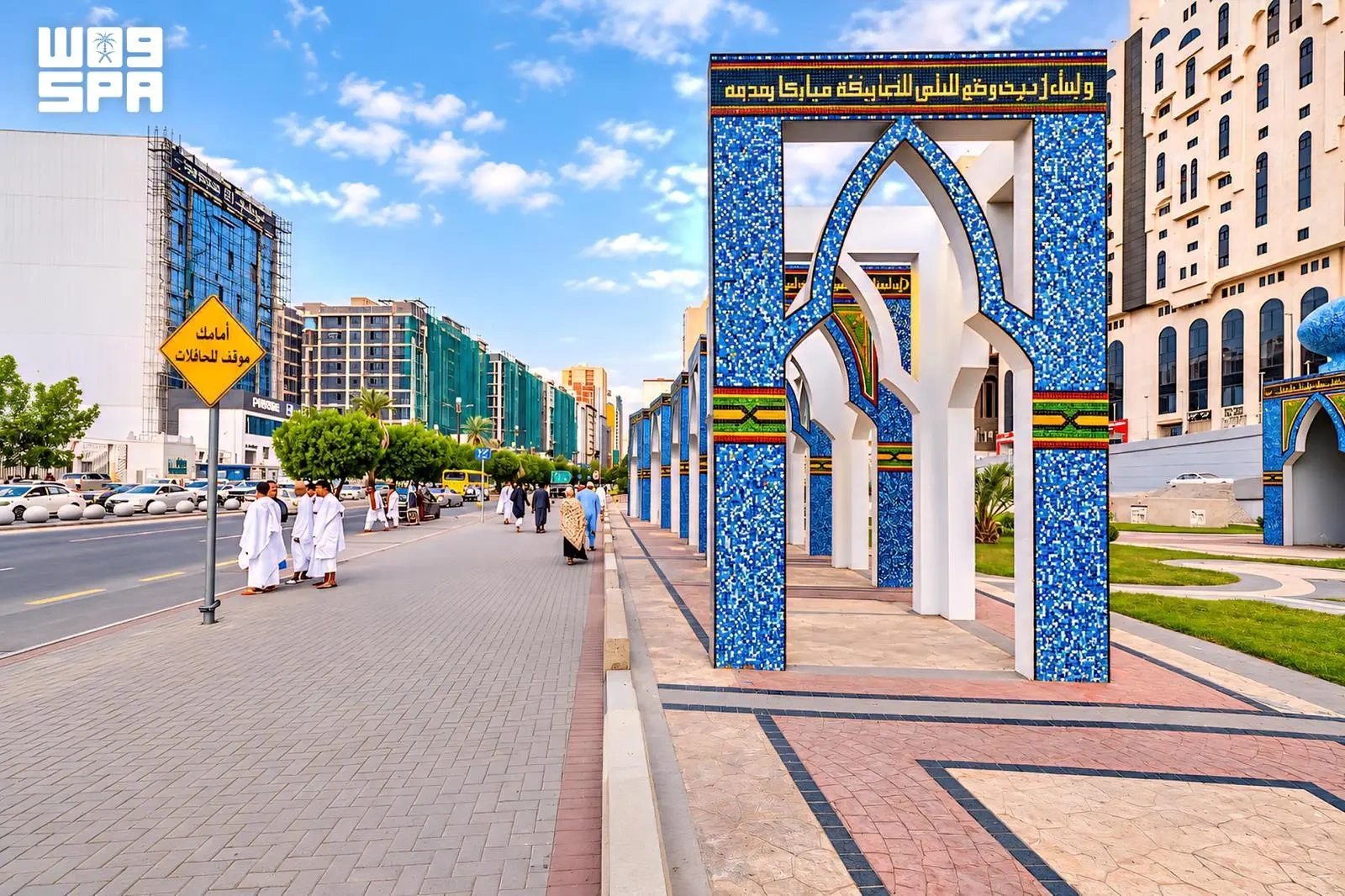
The artistic value of these squares lies in the aesthetic elements, visual compositions, and artworks they can embrace, harmonizing with the nature and historical character of the place, enriching the experience of residents and visitors, and strengthening the presence of the arts in public spaces—making art part of everyday life and a means of expressing local identity and evoking cultural and heritage symbols.
The squares gain added importance from their role in enhancing quality of life, providing open spaces for community interaction, and hosting cultural and social activities, alongside their contribution to improving the urban landscape and creating a more attractive urban environment that meets the needs of residents and visitors while preserving Mecca's distinct character and its historical and religious standing.
The attention to developing public spaces and elevating their aesthetic components falls within urban trends aimed at building more sustainable cities with a higher quality of life, in line with the targets of Saudi Vision 2030, which attaches importance to culture, heritage, the arts, and the urban environment in strengthening national identity, developing the cultural experience, and improving quality of life.
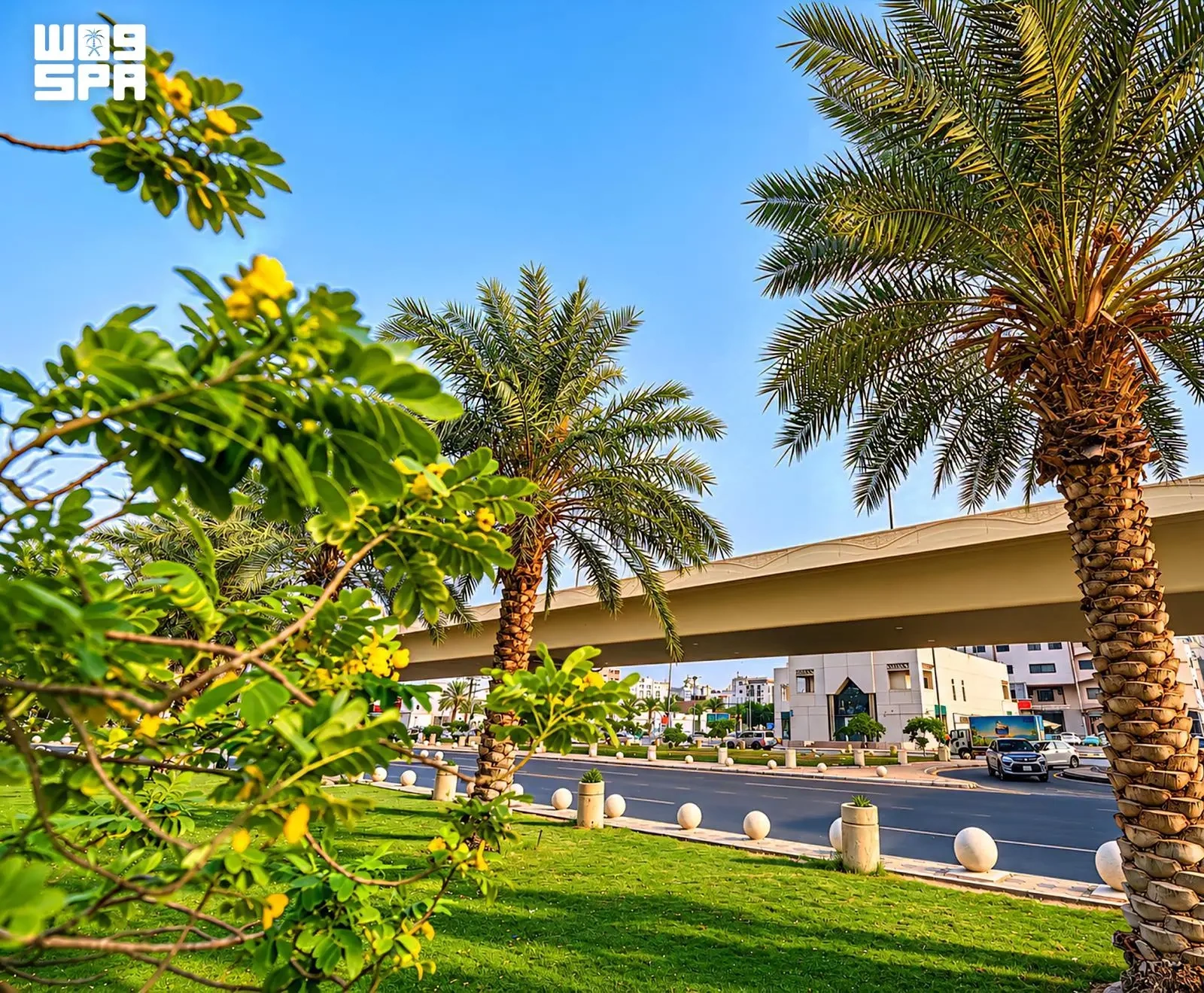
In this context, the Holy Capital Municipality stated that developing squares and public spaces is part of its efforts to elevate the urban landscape in Mecca and enhance the appeal of municipal facilities, in keeping with the aspirations of residents and visitors and achieving quality-of-life improvement targets. It noted that these sites are important elements in shaping the city's visual identity, offering opportunities to showcase cultural heritage through urban designs, aesthetic elements, and artworks that reflect the distinctiveness of the place.
It said the municipality is working to strengthen the cultural and aesthetic dimension in projects to develop public facilities and squares, and to provide interactive urban environments that host community and cultural activities, help strengthen society's connection to its local heritage, and transform public spaces into vibrant destinations combining the authenticity of Meccan identity with the requirements of modern urban development.
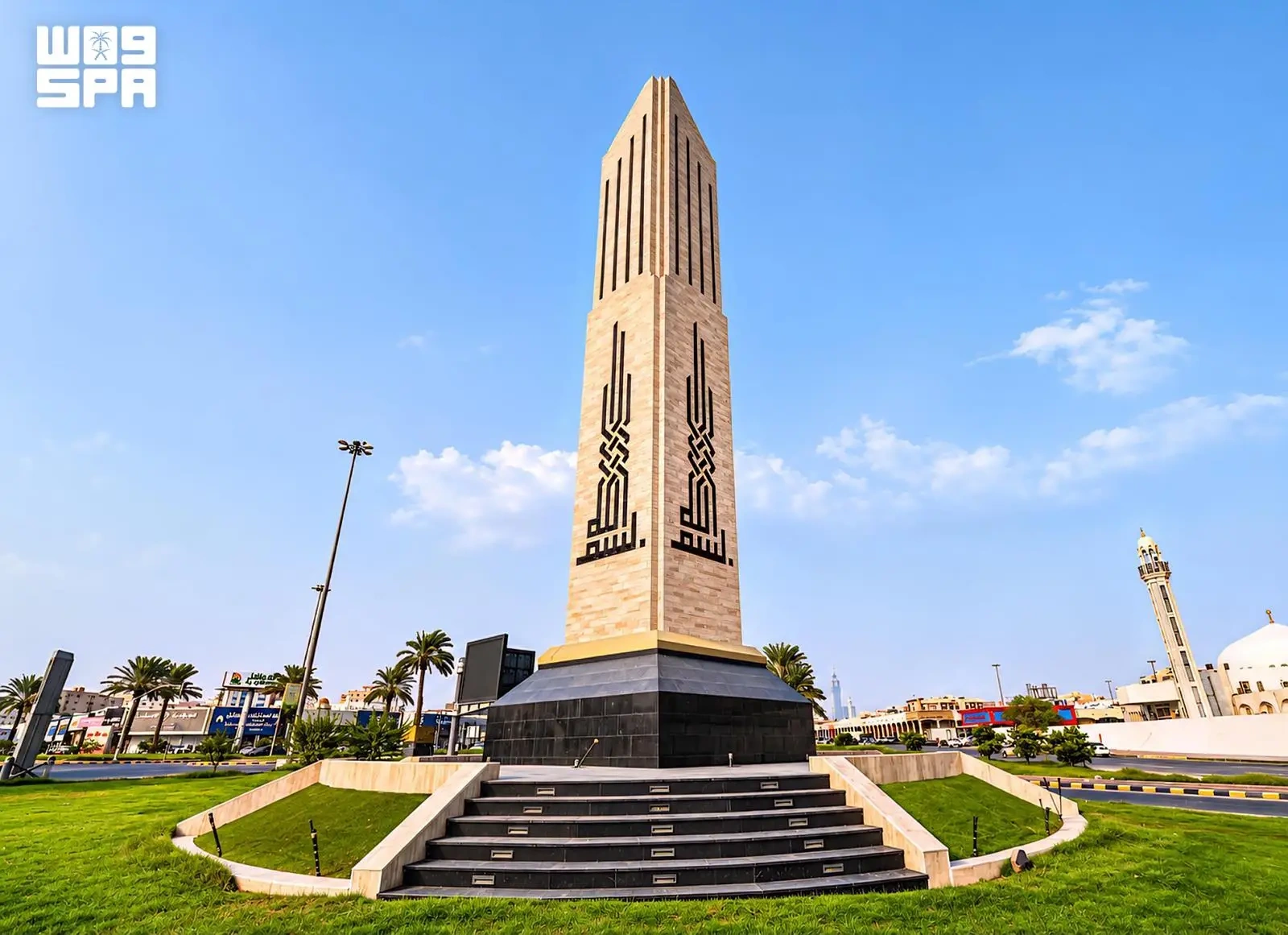
Mecca draws its urban and cultural distinctiveness from its long history and religious standing, and from the diversity of its architectural and social heritage, evident in its old neighborhoods, markets, building styles, rawshan windows, and wooden doors, as well as its social and artistic traditions that have shaped its unique identity. The squares and public spaces represent an extension of this legacy and an opportunity to connect features of the past with the needs of the present, presenting an urban image that combines the authenticity of the place, design aesthetics, and a spirit of renewal.