After 17 Years of Loss, 'Al-Huwaiti' Pardons His Son's Killer Without Compensation
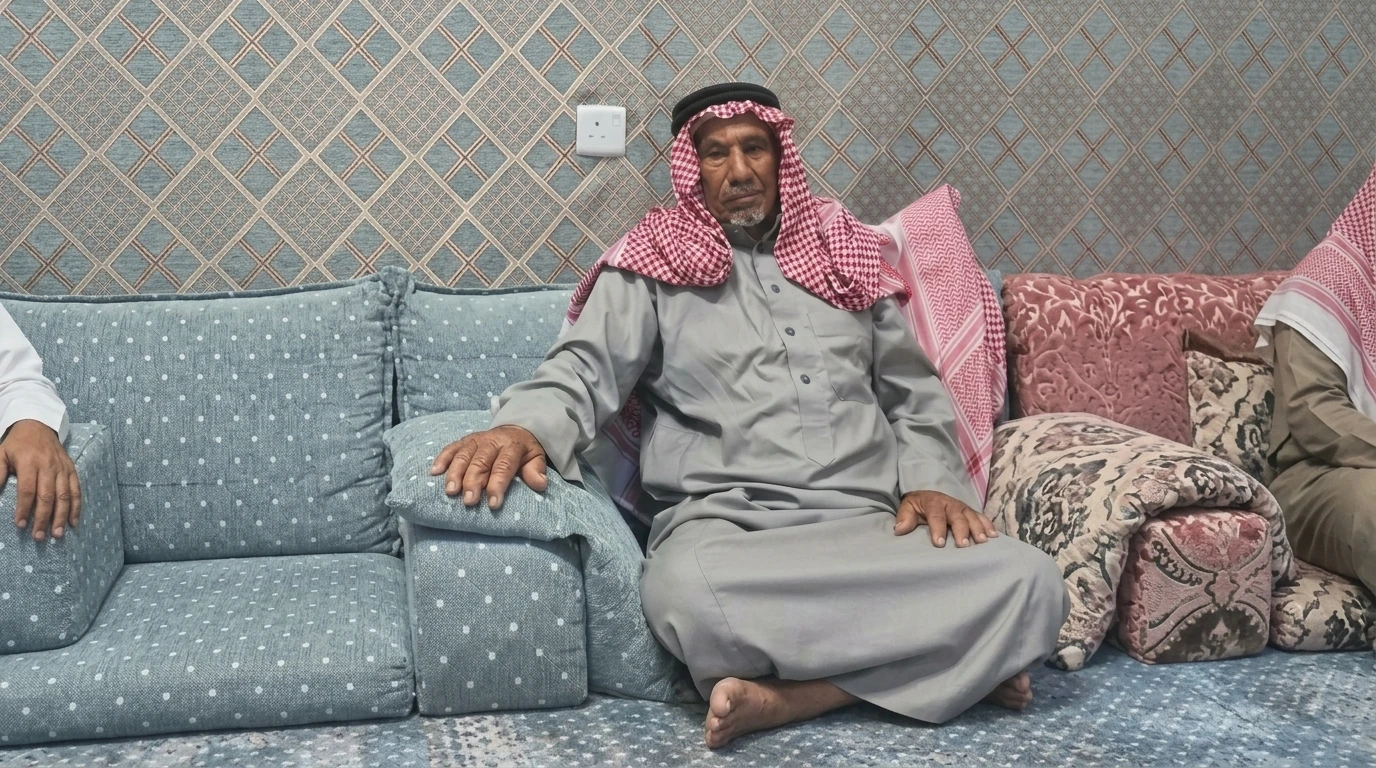
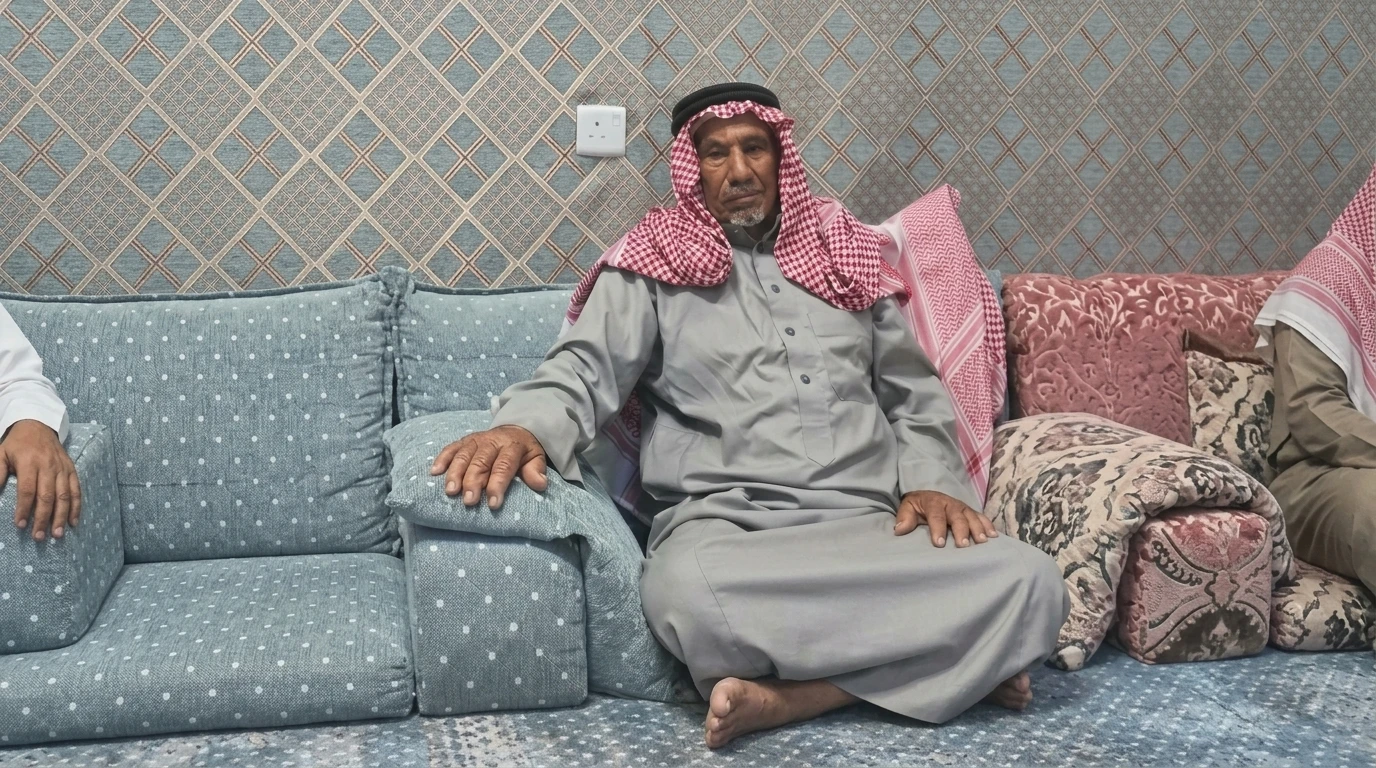
Nearly 17 years after his son was killed in the city of Tabuk, citizen Musallim Mohammed Al-Huwaiti decided to pardon his son's killer for the sake of God Almighty, without material compensation, after years of pain and failed reconciliation attempts to persuade him to drop the case.
Al-Huwaiti said in an exclusive interview that the decision was not easy after long years of losing his son, stressing that he made it seeking the pleasure of God Almighty, and that he had no desire to pardon during the past years, despite the reconciliation attempts and pressures he faced.
Al-Huwaiti: I pardoned for the sake of God despite the difficulty of the decision and previous reconciliation attempts
He explained that his decision came by God's guidance, despite the initial pressures, stressing that the waiver was made without any material compensation. He sent a message to Muslims asking God to grant them the success to forgive, just as he was granted.
For his part, Salim Musallim Al-Huwaiti, son of citizen Musallim Al-Huwaiti, explained that the incident took place some 16 to 17 years ago in Tabuk, and that the family had no intention of pardoning throughout that period, despite the reconciliation efforts made by relatives, cousins and a number of tribes.
He noted that attempts for pardon came from cousins and tribes, but at the time there was no intention to forgive, until the father performed Istikhara (prayer for guidance) to God Almighty and made the decision.
He added that his father, when making his decision, recalled the words of God Almighty: 'But whoever pardons and makes reconciliation, his reward is due from Allah,' stressing that the pardon came without any compensation being stipulated, describing his father's decision as a courageous stance that only those of strong resolve can take.
He also expressed his thanks to Prince Fahd bin Sultan bin Abdulaziz, Emir of Tabuk Region, for receiving his father and family members, noting that the leadership always encourages pardon and reconciliation.
For his part, Musaed Afnan Al-Huwaiti, cousin of Salim Musallim Al-Huwaiti, described the pardon decision as a noble stance reflecting the values of tolerance and forgiveness, stressing that it is among the good deeds for which their doer hopes for reward and recompense.
He said: 'This is a good opinion, and a blessing from God Almighty, may God reward him well,' noting that the initiative is appreciated by the family and relatives.
For his part, Salem Musaed Al-Huwaiti affirmed that pardoning a son's killer is one of the hardest things to do, saying: 'A son is the apple of one's eye, and it is not easy to lose him, so what about one who pardons his killer? This is a very difficult decision, and Abu Salim only undertook it seeking the face of God Almighty.'
He noted that pardon when one has the power (to retaliate) is among the greatest of deeds, praying to God to reward Al-Huwaiti with the best reward, to grant him and his family patience and solace, and for his stance to be a role model in tolerance and reconciliation.
Prince Fahd bin Sultan bin Abdulaziz had received citizen Musallim Mohammed Al-Huwaiti and his family members at his office at the Emirate, praising his waiver of his rights against his son's killer for the sake of God Almighty.
He affirmed that pardon when one has the power (to retaliate) reflects the values of tolerance, forgiveness and reconciliation that characterize members of Saudi society.
The story embodies the stance of a father who, nearly 17 years after losing his son, chose to pardon his killer without compensation, seeking his reward from God Almighty.
● Notice to (new) website visitors:You can subscribe to the news via WhatsApp for freeClick hereTo receive everything new and exclusive.Source akhbaar24