Security Restored in Jurf al-Sakhar as al-Zaidi Bars Politicians from Entering
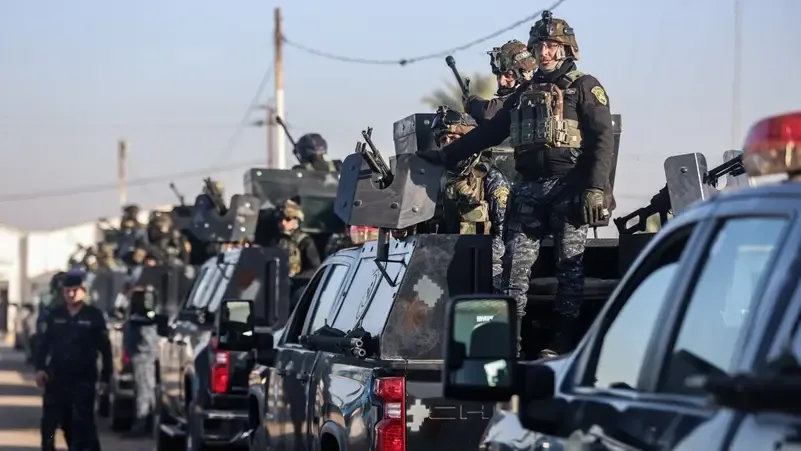
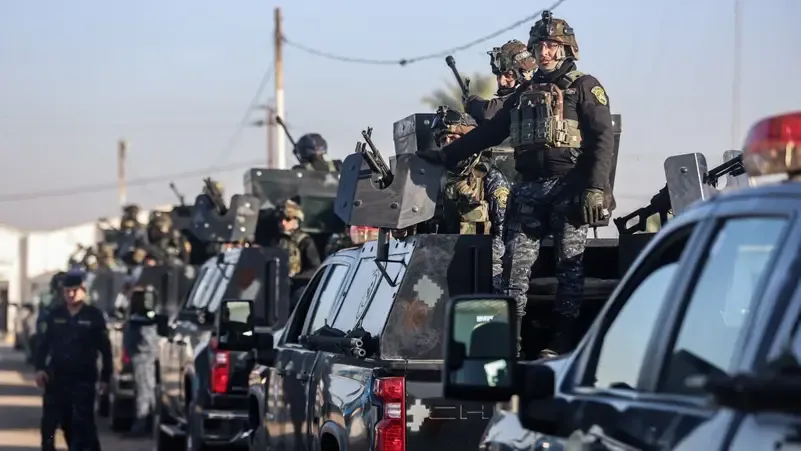
Iraqi security sources confirmed that the situation in Jurf al-Sakhar in Babil has stabilized as the Control Headquarters began operations and military units took over positions from Kataib Hezbollah, while Prime Minister Ali al-Zaidi ordered that political figures be barred from entering to preempt any tension, stressing that this phase is based on containment, not exclusion.
As the Control Headquarters began operating in the Jurf al-Sakhar area of Babil province in central Iraq, and the first phase of the actual handover of positions to military units was completed, Iraqi security sources confirmed that no violations were recorded during the deployment of security forces in the area.
«نقطة انطلاق لفرض سلطة الدولة»
Al-Zaidi considered Jurf al-Sakhar "a starting point for imposing state authority across all Iraqi territory and unifying the armed forces under a single command," while stressing that "the current phase is based on containment, not exclusion."
In brief remarks addressed to the formations and units stationed in Jurf al-Sakhar, al-Zaidi said: "We are not fighting a battle... I urge you to exercise restraint and wisdom, for everyone there is your brother."
He affirmed his determination to press ahead with the policy of restricting weapons to the state, saying: "Our decision is firm: no weapons outside state authority."
فتح الطريق الرابط بكربلاء
Similarly, the Baghdad Operations Command announced that the road linking Latifiya, Qamishli, Jisr al-Fadhiliya, Jurf al-Sakhar and al-Jamaliya all the way to Karbala will be opened to civilian and vehicle traffic in both directions starting Saturday morning.
انتشار «مقر السيطرة»
The Control Headquarters — composed of several units from the army, the Federal Police and the Oil Police, whose formation was announced last Thursday — entered the area, which had seen high tensions in recent weeks between al-Zaidi and Kataib Hezbollah, and security forces began deploying at all positions as they took over the centers from the brigades.
These developments came after al-Zaidi's government gave Kataib Hezbollah until Friday to withdraw from Jurf al-Sakhar, also known as "Jurf al-Nasr," following the dismissal of 9 administrative officials and security commanders over their involvement with this armed faction in oil smuggling from the area.
For their part, Kataib Hezbollah, which operates under the Popular Mobilization Forces, denied any involvement in smuggling operations, and criticized a government that pays the salaries of the faction's members out of the Defense Ministry's budget.
مسيرة الزيدي في مواجهة الفصائل
Al-Zaidi, a new face in Iraqi politics, has taken what was described as a "bold" decision since assuming the premiership: restricting weapons to the state in a country accustomed to a multiplicity of armed factions. He entered into a direct confrontation with Kataib Hezbollah in Jurf al-Sakhar, and previously faced off against the al-Nujaba movement months earlier.
Last August, Iraqi special forces reporting directly to the prime minister arrested the intelligence chief of the al-Nujaba movement on charges of involvement in drone attacks on American interests. The movement threatened retaliation after the 48-hour detention, prompting prominent Shia politicians to intervene to defuse the tension. A week later, the special forces also arrested four faction members on charges of facilitating attacks on American interests.
The current scene evokes what happened 4 years ago, when the former prime minister's residence in Baghdad was attacked by drones in what the authorities described as an assassination attempt, after he ordered a similar campaign against the armed factions to compel them to hand over their weapons.