Precise Anti-Doping Committee Procedures Enhance Fair Competition in the Malawah Race at the Falcons Festival
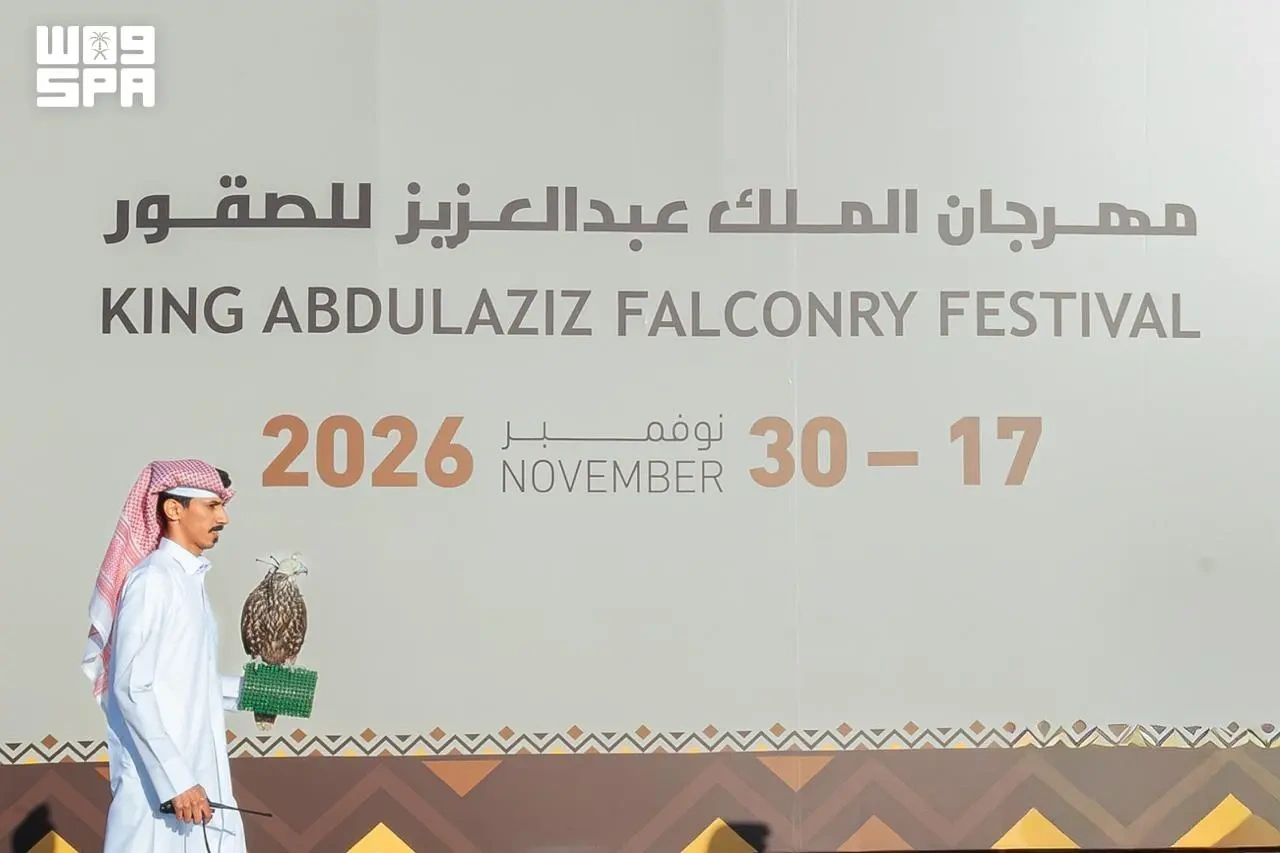
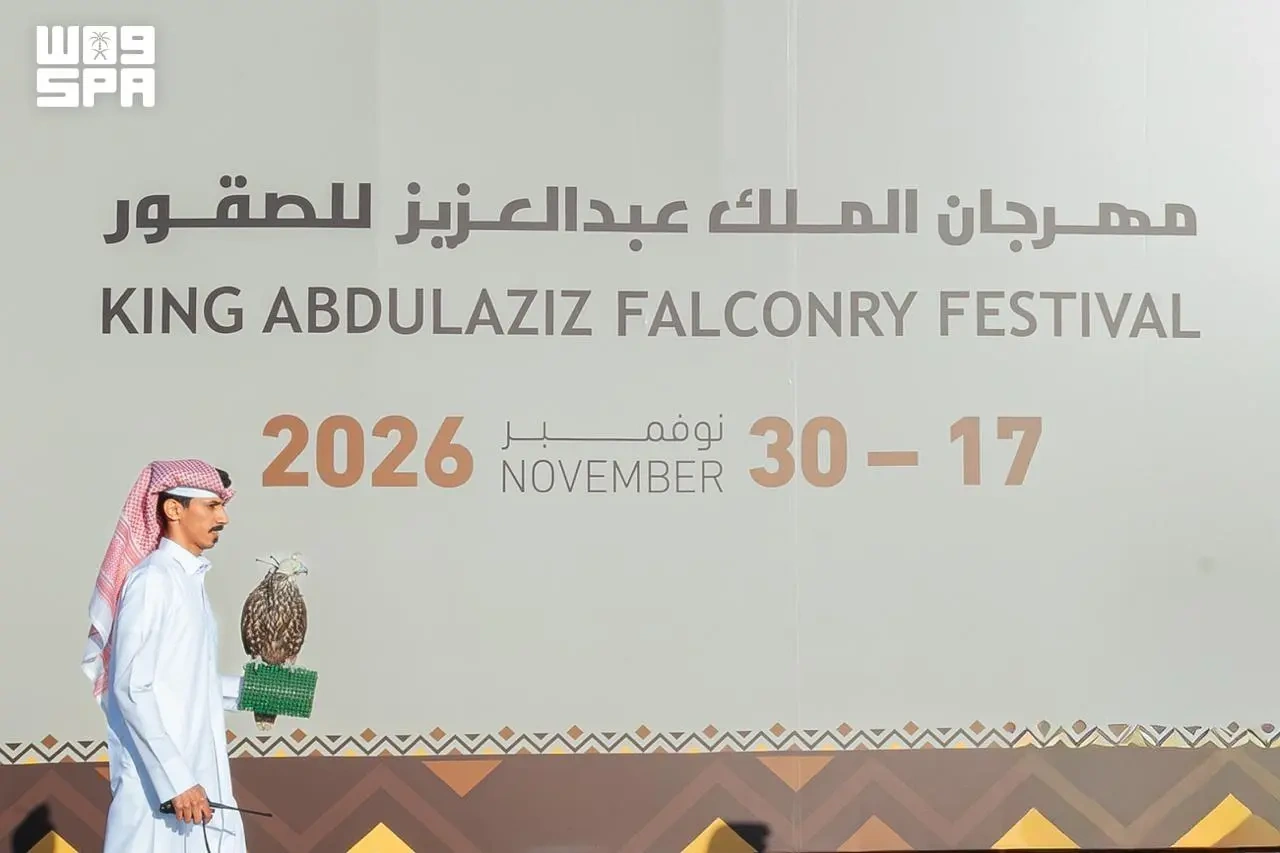
The National Falcon Center places great importance on consolidating principles of integrity and fairness in the competitions of the King Abdulaziz Falcons Festival 2026, through a regulatory system and precise procedures that guarantee equal opportunities among falconers, preserve the wellbeing of falcons and the credibility of results. Foremost among these are the efforts of the anti-doping committee, which is tasked with testing falcons participating in the Malawah race and verifying that they are free of banned substances, thereby enhancing the reliability of the competitions and preserving the reputation of Saudi falconry locally and internationally.
National Falcon Center spokesman Walid Al-Taweel explained that the anti-doping committee's work begins immediately after the end of each round, where the competitions committee provisionally approves the names of the winners, then refers the list to the anti-doping committee, which takes samples from the falcons that placed in the top fifteen positions, even though the number of approved winners in each round is ten, in order to ensure an additional number of samples in case a result is excluded or struck off.
He noted that the samples are tested to confirm they are free of banned substances, and once the results appear, the data is audited and matched against the falcons' data via the electronic leg ring, ahead of approving the final result, ensuring the accuracy of procedures and the integrity of the verification of the falcons' identities and results.
Al-Taweel indicated that the committee's work is based on general provisions and regulations governing participants' responsibilities and testing procedures: every participant is required not to introduce any banned substances into the falcon's body, and bears responsibility for the presence of any such substances, their metabolites, or traces indicating them in samples taken from his falcons. Their presence constitutes sufficient proof of an established violation, whether resulting from error or negligence.
The provisions also include participants' commitment to allow the concerned authority to take the samples needed to conduct the tests determined by the Center at the specified times, with the Center retaining the right to take appropriate measures and penalties in accordance with the governing regulations; the decisions issued in this regard are enforceable and final.
He explained that the lists of banned substances are continuously updated and are provided to falconers to inform them of the substances whose use is prohibited, and to raise awareness of requirements related to falcon safety and the integrity of competitions, helping to avoid violations resulting from the use of unauthorized preparations or substances.
It is worth noting that the National Falcon Center undertakes multiple proactive efforts to combat doping, the most recent of which was the Center's organization, in cooperation with the Saudi Anti-Doping Committee, of a specialized workshop as part of the events of the Saudi International Falcon and Hunting Exhibition 2026. It covered an introduction to doping and types of banned substances, their impact on falcons' performance during races, as well as a review of the negative effects and health risks that may result from their use.