New Law to Protect Heritage and Regulate Museums.. Up to 7 Years in Prison for Violators
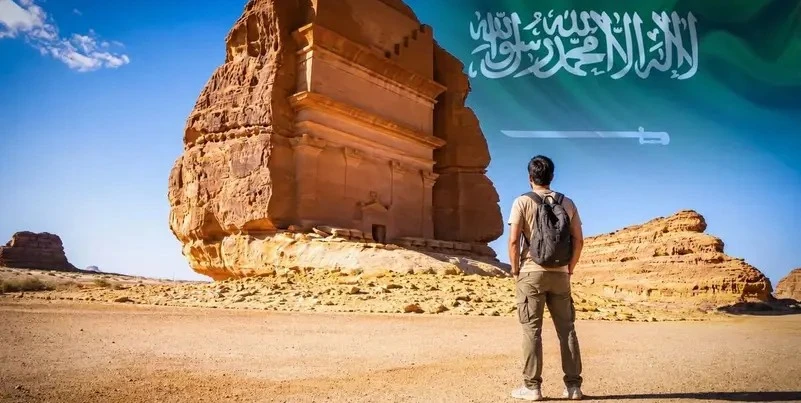
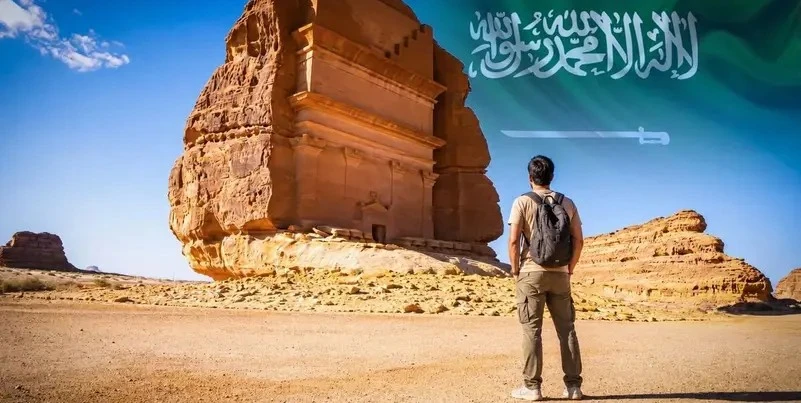
The Ministry of Culture has released the draft Heritage and Museums Law, which aims to protect and ensure the sustainability of the Kingdom's cultural and natural heritage by regulating activities related to heritage assets, defining the responsibilities of the relevant authorities, and establishing rules for their identification, documentation and registration. It covers archaeological, historical and Islamic sites, buildings and facilities, artworks and documents, as well as the practices, traditions, crafts and knowledge associated with cultural identity.
The draft regulates excavation and archaeological survey work, the restoration, maintenance and disposal of heritage assets, as well as controls for implementing development, mining and construction projects near them. It also provides for the establishment of a national register of heritage assets, their classification into three categories according to their importance, and the designation of protection zones extending up to 200 meters around fixed assets, in which certain activities are subject to the approval of the competent authority.
The draft regulates national, public and private museums and the requirements for their establishment and operation, while providing sources of support and financing, including the creation of a Heritage and Museums Fund. It also imposes penalties for attacks on heritage assets or unlicensed excavation, of up to 7 years in prison and a fine of 500,000 riyals, and replaces the Antiquities, Museums and Urban Heritage Law issued in 1436 AH.
Objectives of the Law and Scope of Heritage
The draft sets 8 main objectives, including preserving, protecting and ensuring the sustainability of heritage assets in the Kingdom, promoting the documentation and safeguarding of intangible cultural heritage elements, and encouraging practitioners and bearer communities to participate in these efforts. It also aims to strengthen the standing of cultural and natural heritage and their role in preserving cultural and national identity, to regulate the activities associated with them, and to enhance the governance of the heritage and museum system and coordinate roles among the relevant authorities.
The objectives also include encouraging investment in heritage assets and regulating their circulation, activating the role of the private and non-profit sectors in preserving, managing and supporting heritage, as well as promoting the role of museums, supporting their establishment, and cultural exchange inside and outside the Kingdom.
The definition of cultural heritage covers fixed and movable tangible assets, antiquities, architectural and artistic works, inscriptions, caves, documents, digital materials, books and artifacts, and sites and facilities of historical, scientific, aesthetic, religious or social value. Intangible cultural heritage includes traditions, forms of oral expression, performing arts, social practices and celebrations, knowledge related to nature, and traditional crafts.
Natural heritage includes landmarks and geological, physical and biological formations, habitats of important or threatened animal and plant species, and natural sites of aesthetic, scientific or environmental value. The draft defines antiquities as fixed and movable objects built, made, produced, adapted or drawn by humans across the ages, provided they are no less than 100 years old.
Ownership of Antiquities and Excavation Controls
The draft stipulates that all fixed and movable antiquities are the property of the state, whether discovered or undiscovered, and whether located on the surface of the ground or beneath it, with exceptions for fixed antiquities whose owners can prove ownership, movable antiquities registered by their owners with the competent authority, and antiquities that the authority deems unnecessary to register.
Anyone holding a fixed or movable antiquity is required to present it to the competent authority for registration within two years of the law's entry into force, and the minister may extend this period by a similar duration if needed. It also affirms that ownership of or usufruct over land does not grant the owner the right to dispose of antiquities found on its surface or beneath it, and prohibits the owner from conducting archaeological surveys or excavation on it.
The competent authority holds the right to conduct survey and excavation work on public and private properties, with the possibility of licensing individuals and entities, including foreign missions, to carry out such work independently or in partnership with it, in accordance with established controls. If necessity requires that discovered antiquities remain in place, the draft obligates fair compensation to private property owners.
Anyone who discovers an antiquity or archaeological site, including underwater antiquities and shipwrecks, is required to leave it in place, avoid damaging it, and immediately notify the competent authority or the nearest government agency. It also prohibits encroaching on protected heritage assets or altering, removing, defacing or changing their features, and prohibits entering excavation sites or conducting activities there without a permit.
If archaeological finds emerge during the implementation of government or private projects, including maritime projects, they must be preserved and the competent authority notified; the authority must respond within 30 days of receiving the notification, and may order work stopped upon its request. Issuing mining and quarrying licenses also requires coordination with the competent authority and verification of national register data.
National Register, Asset Classification and Protection Zones
The draft establishes a national register in which heritage assets and intangible cultural heritage elements are recorded, and classifies protected heritage assets into three categories: (A) for assets of national importance, (B) for assets of medium importance, and (C) for assets of lesser importance, according to criteria set by the regulations.
The competent authority handles registration and classification procedures, with the possibility of objecting to classification decisions within the periods specified in the draft. Registration subjects the asset to the provisions and controls for its protection, and its data is documented and updated in the register.
For fixed heritage assets, the draft designates a protection zone extending 200 meters around the protected asset, with the possibility of increasing this distance according to the nature of the site and its protection requirements. Planning, construction, demolition, restoration and modification, along with a number of works and activities within protection zones, are subject to the approvals of the competent authority and the necessary permits.
The draft also sets deadlines for responding to coordination and approval requests: the competent authority must respond within 60 days to requests for related works, and within 90 days to requests for repair and restoration, in accordance with its provisions. It may intervene to halt the deterioration of damaged assets and repair them at the owner's expense if the owner is proven able to bear the costs, and it and the Heritage and Museums Fund may contribute to maintenance and restoration costs if the owner is unable.
Regulating Asset Circulation and Investment
The draft regulates the disposal, transfer of ownership and circulation of fixed and movable heritage assets, and sets controls for dealing with assets owned by the state or individuals, including required approvals, pre-emptive purchase rights, and requirements for transferring and insuring assets.
It also addresses the loan of archaeological pieces to museums and external entities, their temporary transfer, and the procedures related to their protection and return, as well as regulating heritage models and physical and digital copies for display or commercial use. The draft allows government entities to accept heritage assets and private collections as gifts or loans, or to acquire them through purchase or exchange in accordance with laws and regulations.
It also allows the designation of land, sea or coastal heritage destinations aimed at protecting and promoting cultural heritage, while regulating related activities and investments in a manner that does not conflict with the requirements of preserving heritage assets.
Museum Regulation and the Heritage Fund
The draft classifies museums into national, public and private. National museums are established under the law's provisions by decision of the minister and hold collections of national importance or that highlight the Kingdom's international standing, while government entities establish public museums to provide cultural and educational services to the public. Private museums are owned or primarily financed by individuals or non-governmental entities and are subject to the supervision of the competent authority.
The draft sets requirements for establishing, operating and licensing museums, and regulates the management, preservation and display of collections, research and cultural activities, the exchange of exhibits, and cooperation with museums and international entities. It also allows museums to accept sponsorships, donations, gifts and heritage pieces, subject to the competent authority's approval for donations from outside the Kingdom, in accordance with specified controls.
The draft provides for the establishment of a Heritage and Museums Fund to spend on the protection, maintenance, display and utilization of heritage assets, the establishment of new museums, and support for existing museums, private sector initiatives and charitable associations. Its resources consist of allocations from the revenues of projects managed by the competent authority, amounts allocated to it from fines and compensation, in addition to aid, donations, grants, gifts, sponsorships and endowments accepted in accordance with the regulations.
Penalties and Oversight Mechanisms
The penalty for unlawfully seizing a protected heritage asset owned by the state reaches 7 years in prison and a fine of 500,000 riyals, or either of the two penalties. Anyone who destroys a protected heritage asset, alters its features, or excavates it without a license is punishable by imprisonment of up to 3 years and a fine of up to 300,000 riyals.
The penalty also reaches 2 years in prison and a fine of 200,000 riyals for counterfeiting or forging heritage assets, violating protection conditions, and deliberately salvaging underwater antiquities or transferring them in violation of the rules. Fines of up to 70,000 riyals are imposed for violations including unlicensed restoration, concealing finds, or trafficking in protected assets in violation of the rules, while the fine reaches 50,000 riyals for possessing unregistered antiquities or operating a museum without a license, among other violations.
The draft allows the confiscation of assets and funds derived from violations, and of the tools, machinery and means of transport used in them, along with obligating the perpetrator to compensate for damages, remove the offending works, and restore sites to their previous condition. Activities may also be suspended, licenses suspended or cancellation recommended, with penalties doubled in cases of repeat violations, in accordance with the specified provisions.
The draft grants criminal investigation officer status to employees named by ministerial decision, empowering them to enter heritage asset sites, museums and excavation sites and to inspect them. It also provides for the formation of a three-member committee, at least one of whom is a legal or Sharia adviser, to examine violations and apply penalties, with the possibility of appealing direct fines within 30 days, and appealing the committee's decisions before the Board of Grievances within 60 days. The Public Prosecution investigates violations referred to it and pursues cases before the Criminal Court.