Spotted by Satellites.. Fereydoon Plan With 14 Tankers in Iranian Oil Move That Could Ignite the Gulf
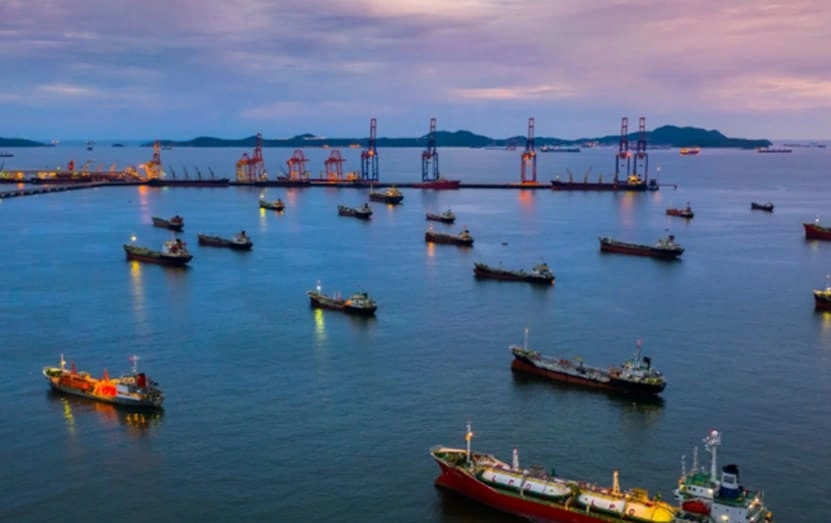
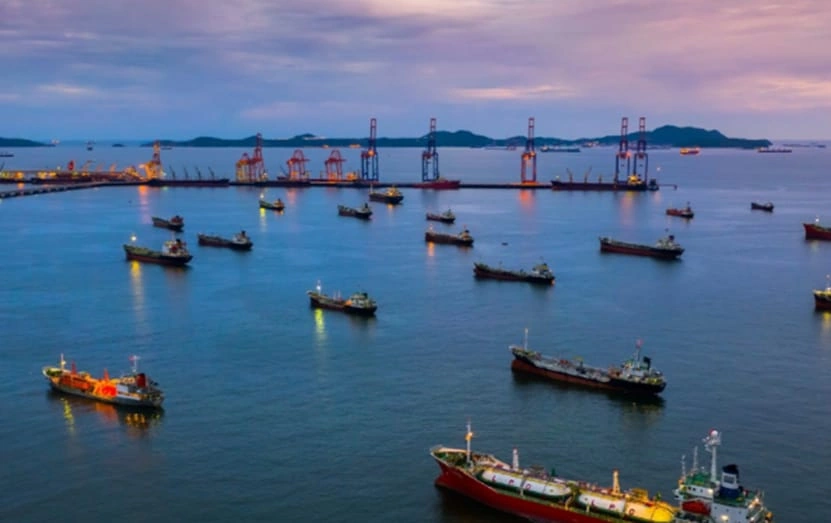
In a step that could open a new front in the confrontation between Washington and Tehran, Iran is preparing, according to media reports, ship-tracking data and satellite images, to move a convoy of more than 14 oil tankers toward the Gulf of Oman, in a possible attempt to break the American naval blockade and resume its oil exports. The move comes amid Iranian warnings to target Gulf energy facilities if U.S. forces intervene to intercept the ships.
According to Euronews, the tankers are assembling near Kharg Island, a key hub for Iranian oil exports, through which about 85 to 90% of crude exports pass. However, information on the convoy's departure date remains unconfirmed, and no announcement has been made so far that the move has actually been carried out.
"Fereydoon Plan".. Oil Becomes a Card of Confrontation
These developments coincide with Iranian media floating proposals to circumvent the blockade, including an article by Fars news agency, linked to the Revolutionary Guards, calling for sending a group of oil tankers collectively, making interception more complicated and risky.
Iranian media have circulated the name "Fereydoon Plan" for the potential move, in reference to a character from the Persian epic "Shahnameh." The idea is to use the tankers to impose an equation of deterrence: either allow the oil to pass, or risk expanding the confrontation to include energy facilities in the Gulf, with threats focused on the UAE.
Ship-to-Ship Oil Transfer.. An Early Test of the Blockade
In another sign of Tehran's attempts to circumvent the restrictions, TankerTrackers spotted an oil transfer between two tankers near Kharg Island. Samir Madani, the company's co-founder, told Reuters that one tanker was receiving crude from another vessel, and its departure from the blockade zone could mark the first successful maritime export since mid-July.
Reports also spoke of a transfer of about 200,000 barrels between the tankers "Olim" and "Hao Fan," with tracking systems disabled in an attempt to conceal the operation.
The Gulf Faces a Dangerous Security and Economic Equation
The Iranian moves reflect the use of oil exports as a tool of political and military pressure, at a time when intercepting the tankers or targeting energy facilities could threaten navigation and raise risks in oil markets.
But so far, the anticipated convoy and the threats associated with it remain within the realm of unconfirmed reports and proposals, while the most important question remains: Will Tehran succeed in testing the blockade, or will the tankers' move become the spark of a wider regional confrontation?