Washington Imposes New Sanctions on 24 Iranian Entities and Uncovers $15 Billion in Suspicious Funds
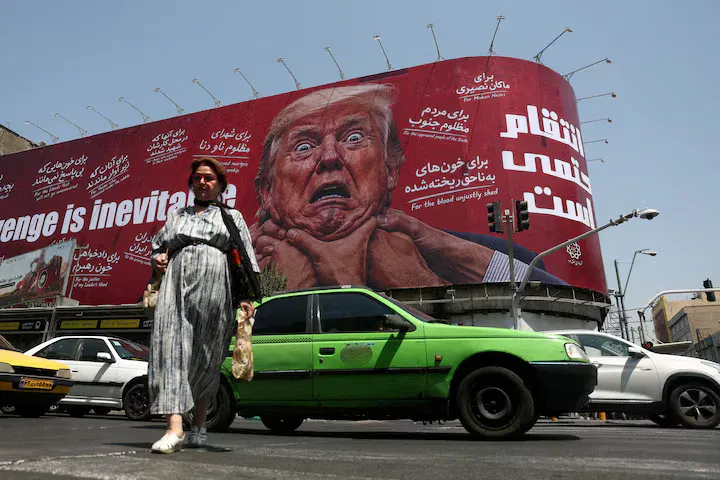
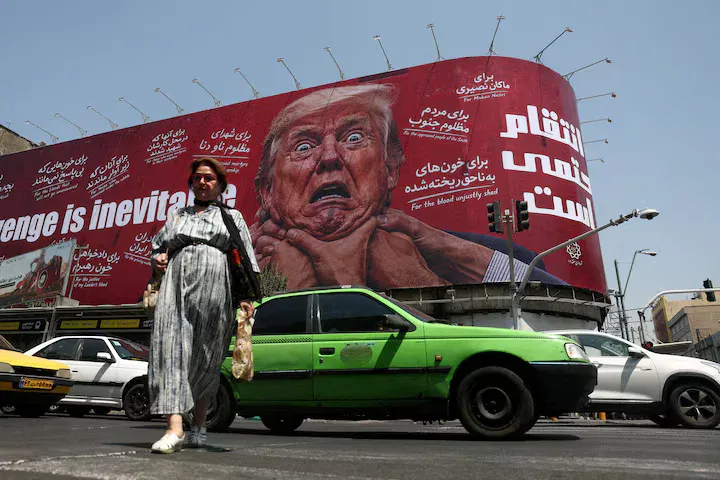
The U.S. Treasury Department announced new sanctions on dozens of individuals and entities, including 24 Iranian banking companies and front companies in the UAE, Turkey, and Hong Kong, as part of efforts to isolate Iran from the global economy and disrupt its informal banking networks that support its foreign trade.
The U.S. Treasury Department announced on Monday a new package of Iran-related sanctions targeting dozens of individuals and entities, as part of the Trump administration's intensified efforts to isolate Tehran from the global economy and disrupt its informal banking networks.
In an analysis accompanying the announcement, the department's Financial Crimes Enforcement Network said it had identified nearly $15 billion in suspicious financial activity occurring between January 2025 and August 2026, noting that it may be linked to Iran's informal banking system.
The department said the sanctions targeted 24 Iranian banking companies and front companies that helped sustain Iranian foreign trade, including companies based in the United Arab Emirates, Turkey, and Hong Kong, as well as key figures linked to these networks.
Treasury Secretary Scott Bessent said in an official statement: "The Iranian economy is mired in crisis, and its leaders are in a state of panic," adding: "Iran's informal banking system is the bankrupt regime's last financial lifeline, and the Treasury Department will continue dismantling these illicit networks until we can cut off the head of the snake."
The department said the shadow companies linked to Iran's banking system operate under the supervision of the Iranian central bank and rely on dozens of exchange offices based in Iran, along with so-called "Rahbar" companies, which are bank subsidiaries that run sanctions-evasion networks on behalf of their clients residing in Iran.
The department noted that billions of dollars move through the international financial system in this way, supporting the last remnants of Iranian foreign trade and enabling Tehran to circumvent the sanctions imposed on it.
A report by the Financial Crimes Enforcement Network, based on data submitted by U.S. financial institutions, showed a decline in the volume of Iran's informal banking activity between January and August, which the report described as "possibly indicating at least partial disruption of Iran's ability to operate its informal banking networks."
The same report revealed that these networks remain active and connected to the international financial system, particularly in the UAE, Hong Kong, and Singapore, through companies operating in the oil, shipping, and investment sectors.