Tajikistan Withdraws from the International Criminal Court.. And These Are the Countries That Have Done So
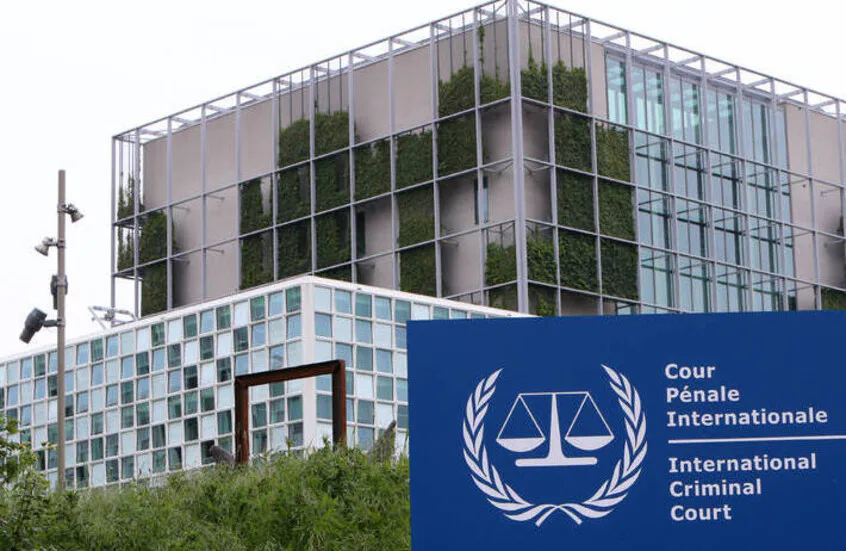
Tajikistan has officially notified the United Nations of its decision to withdraw from the International Criminal Court, saying the court turns justice into a tool of political pressure. It thereby joins the ranks of countries that have done so, including Burundi, the Philippines, Hungary, the African Sahel states, Venezuela, Chad and Nauru.
Tajikistan officially notified the United Nations of its decision to withdraw from the International Criminal Court, stating that the reason is the "politicization of the court," which is "gradually turning international criminal justice into a tool of political pressure." The decision will take effect one year after its formal submission.
According to the TASS news agency, two states have so far left the International Criminal Court, while seven states — including Tajikistan — are in the process of withdrawing.
نبذة عن المحكمة
The International Criminal Court is an independent judicial body that is not part of the United Nations structure. It was established under the Rome Statute, adopted in 1998 and entered into force in 2002. Its jurisdiction covers officials responsible for genocide, crimes against humanity, war crimes and aggression committed after July 1, 2002. Member states are required to cooperate with it, while for non-member states such cooperation remains voluntary.
The court began operating in The Hague on July 1, 2002. According to its official website, 34 cases have been opened since its establishment, each involving one or more individuals; 68 arrest warrants have been issued; 23 people have been arrested and appeared before the court, while 34 others remain at large; 15 convictions and 4 acquittals have been handed down; and charges against 9 people were dropped due to their deaths. The court currently has 125 member states, any of which may withdraw after submitting a formal request to the UN Secretary-General, a process that takes one year.
بوروندي.. أول المنسحبين
Burundi was the first country to leave the court, announcing its withdrawal on October 27, 2016, after the court opened an investigation into possible war crimes during the country's 2015 political crisis, and completing the process on October 27, 2017. That same year, an African Union summit endorsed a "collective withdrawal strategy" from the court, viewing its treatment of the continent's states as biased, though the strategy was not binding.
جنوب أفريقيا وغامبيا.. تراجع في اللحظة الأخيرة
In 2016, South Africa and Gambia sent withdrawal notifications to the United Nations, but both reversed their decisions in 2017 before the one-year deadline expired and remained members of the court.
الفلبين
On March 17, 2019, the Philippines left the court after notifying the United Nations a year earlier. President Rodrigo Duterte viewed the court as a "weapon" used in human rights files to attack him and his administration, particularly in connection with the government's anti-drug campaign.
هنغاريا
On April 3, 2025, Hungary announced its withdrawal from the court. The decision came in the wake of Israeli Prime Minister Benjamin Netanyahu's visit to Budapest, after the court had issued an arrest warrant against him on charges of war crimes on Palestinian territory.
دول الساحل الأفريقي
On September 22, 2025, Burkina Faso, Mali and Niger announced their decision to withdraw from the International Criminal Court. In a joint statement, the three countries described the court as "a tool of neo-colonial repression in the hands of imperialism," and they formally began withdrawal procedures in June 2026.
فنزويلا
On July 24, 2026, the Venezuelan foreign ministry notified UN Secretary-General Antonio Guterres of its decision to begin withdrawal procedures from the court, describing it as "a tool for exacerbating inequality." The decision followed an investigation by the court into the government's conduct during protests that erupted in 2014, as well as the court's rejection of a complaint filed by Venezuela accusing the United States of imposing unilateral coercive sanctions — practices the document considered "crimes against humanity."
تشاد
On July 27, 2026, Chad's government decided to withdraw from the International Criminal Court, citing "the court's limited effectiveness and its political selectivity."
جمهورية ناورو
On September 23, 2026, President of the Republic of Nauru David Adeang announced his country's withdrawal from the International Criminal Court, noting that the court had "lost its meaning."
الضغوط الأمريكية على المحكمة
In a related context, the administration of U.S. President Donald Trump imposed sanctions on the International Criminal Court, including a ban on dealings with it, aimed at disrupting its activities. The court considered those sanctions an unprecedented step intended to undermine its work and intimidate its staff. U.S. Secretary of State Marco Rubio, on November 14, described the court as an "illegitimate" institution, defending the U.S. sanctions and accusing it of attempting to impose its authority on states that do not recognize its jurisdiction.