World Assembly: Giving That Crosses Borders
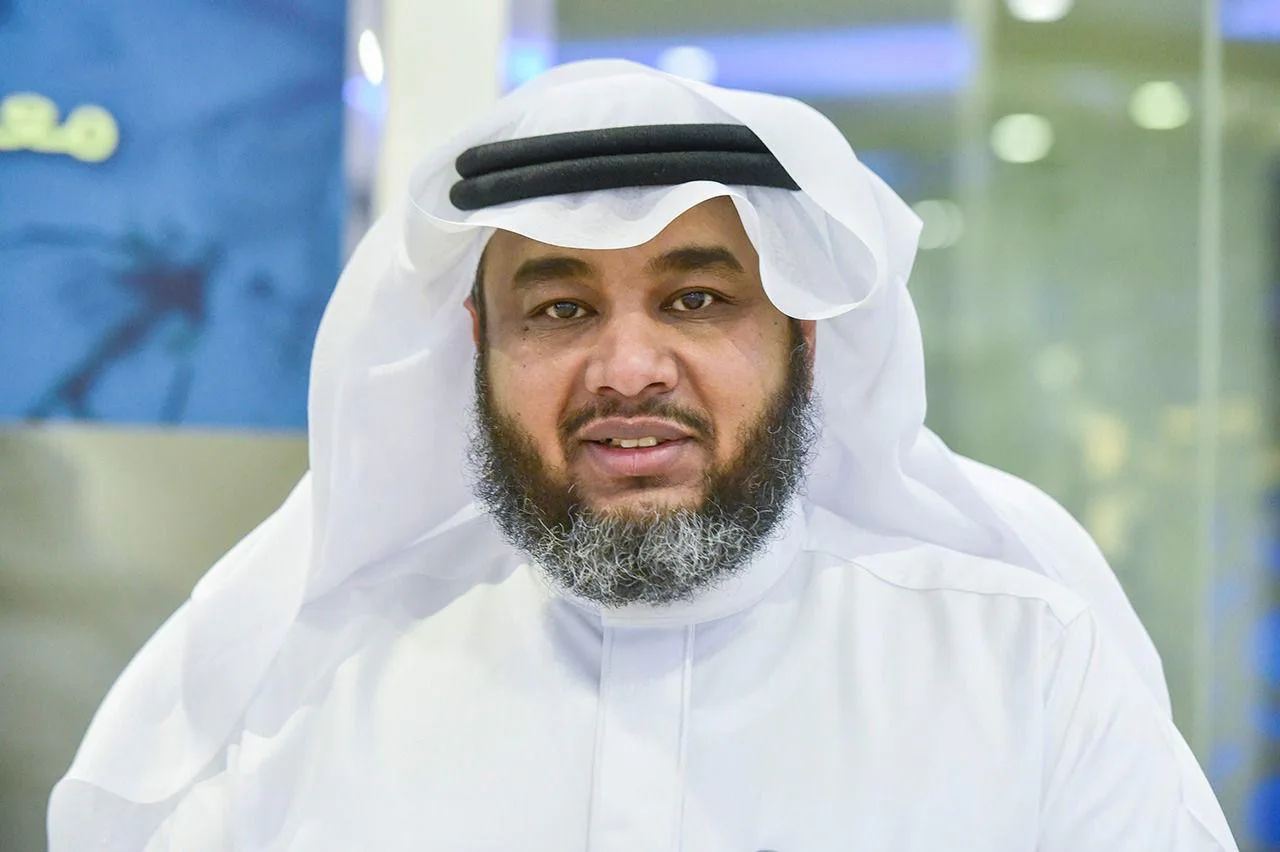
The writer argues that charitable work goes beyond immediate relief to investing in people and society's future, and reviews the experience of the World Assembly of Muslim Youth since its founding in 1972. It operates through international offices and local partnerships in education and health…
When water reaches a village exhausted by scarcity, or a student finds a chance to continue their education, or a patient receives treatment that was once unavailable; charitable work becomes more than urgent relief—it becomes an investment in human life and society's future. From this meaning spring the roles of the World Assembly of Muslim Youth, which has made humanitarian and development work one of the avenues of its presence in countries around the world, starting from its headquarters in Riyadh and through its international offices and partnerships with local institutions.
Since its founding in 1972, the Assembly's work has extended to education, development, relief, healthcare, and youth capacity building. It implements its programs through a network of international offices and cooperates with hundreds of associations and institutions worldwide, allowing it to get close to communities' needs and work with partners who know their circumstances and priorities. This institutional presence is what gives projects a greater chance of sustainability and achieving impact that goes beyond providing aid to supporting the foundations of life and development.
Education comes first among these avenues; a school is not merely a building, but the start of a path opening wider opportunities for generations. The Assembly's programs therefore range from establishing schools and supporting educational institutions and academic centers, to providing scholarships and student sponsorships, alongside courses, forums, and activities that hone young people's skills and prepare them to participate in developing their communities. The Assembly's data shows that its educational institutions in nine countries include schools, institutes, and colleges, receiving thousands of male and female students; an experience confirming that building people remains among the most impactful and sustainable forms of giving.
This giving extends to the health, water, and community infrastructure sectors; from clinics and health centers to medical convoys reaching areas in need of care, from drilling wells to establishing centers combining education and community services. In a recent example, the Assembly announced the implementation of a series of well projects in nine Asian and African countries, including artesian and surface wells, aiming to provide potable water and strengthen water and health security. Its projects also include educational and development centers and facilities serving residents, making the project's impact present in the details of daily life.
The Assembly's role is not limited to building facilities or meeting immediate needs; scientific conferences, youth forums, and cultural programs provide a space for dialogue and exchange of expertise, and help prepare a more knowledgeable and enterprising generation. When these programs are paired with scholarships, training, and student sponsorships, they contribute to building capacities that can benefit their communities and open pathways for young people to participate, work, and create.
These works reflect an image of Saudi charitable work when managed through organized institutions, effective partnerships, and projects that respond to people's needs while preserving their dignity. The Kingdom, with its deep-rooted legacy of giving and relief, has never been absent from the arenas of humanitarian work, and the development initiatives its institutions offer strengthen its presence as a beacon of giving and a destination for organized charitable work. The World Assembly, through the programs and projects it implements outside the Kingdom, presents a model of this presence; carrying the message of solidarity from Riyadh to multiple communities, and translating it into a school where a student learns, a well that benefits a village's people, and a center where young people find knowledge and care.
The value of humanitarian work is not measured by the size of the project alone, but by the impact it leaves on people's lives and its ability to endure and empower communities. Hence the importance of continuing to support institutions that combine responding to need with building the foundations of the future; every school that opens, every scholarship granted, every convoy that reaches someone in need, and every safe water source is a step on a wider path: serving humanity, promoting a culture of giving, and cementing the Kingdom's standing in the fields of goodness and humanitarian work.