Wheat Planting Season Boosts the Presence of Najrani Bur Wheat
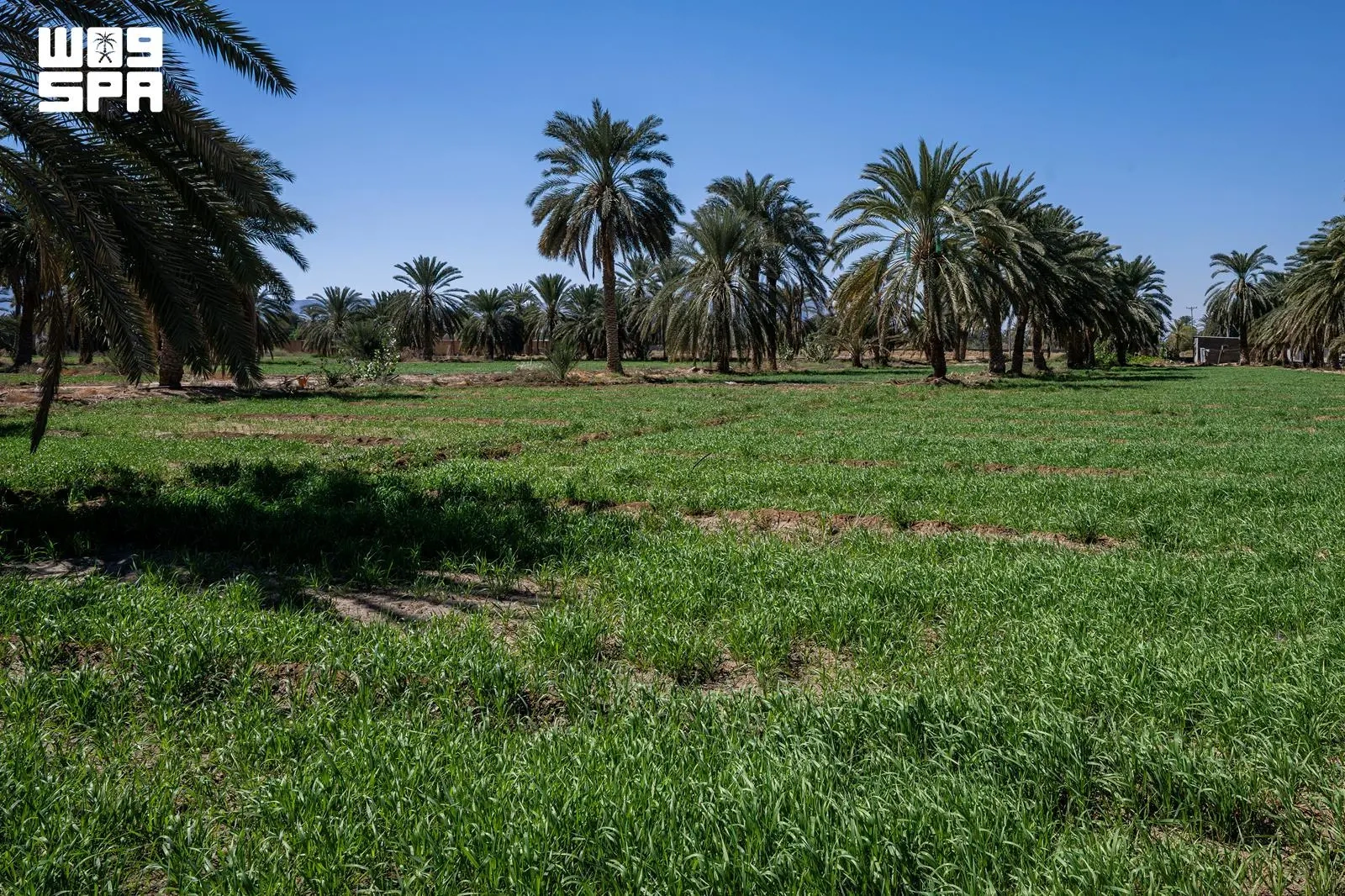
Farmers in the Najran region have begun the wheat planting season, known locally as "Najrani bur," with the arrival of winter, in an annual agricultural scene that combines farmers' inherited expertise with the crop's standing in the life of the region.
The wheat planting season in Najran marks the start of a journey that begins with preparing the land and sowing the grain, and continues as the ears of wheat grow until harvest time, when Najrani bur products reach markets and dining tables. Planting usually begins in early October each year, and the growth cycle takes about 5 to 6 months.
Sowing is preceded by field work aimed at preparing the soil and improving crop growing conditions; farmers make sure to plow and prepare the land, remove anything that might hinder plant growth, and then organize irrigation to suit the farming stages. Care of the soil and water is among the important factors in grain quality; good preparation and balanced irrigation help the crop grow and preserve its characteristics, alongside continued monitoring of weather changes and the needs of the land and plants.
Najrani bur carries local diversity familiar to farmers and residents, with its most prominent varieties being "Samraa," "Sammaa," and "Zaraei." Samraa enjoys a special presence among these varieties, and its name has become associated with the quality and fame of the region's crop.
The importance of wheat in Najran goes beyond it being an agricultural crop; it is part of the place's memory and heritage, with generations passing down methods of cultivating and making use of it, and its seasons remain an occasion to recall the community's connection to its land and what it produces.
The crop's influence extends from the fields to the table, as bur is used in preparing inherited popular Najrani dishes, including "Raqsh," "Wafd," and "Mardufa," along with other foods that rely on wheat and its derivatives, reflecting the product's connection to local dietary habits. Grain is seen not only as a basic food staple, but also as an element present in the traditions of hospitality, occasions, and daily life in the region.
With the start of the season, work activity on the farms is renewed, and farmers prepare to monitor the growth stages until harvest time, when the fields turn into ripe ears of wheat that are gathered and prepared for consumption and marketing, helping keep agricultural expertise alive, supporting the presence of products tied to the region's identity, and allowing new generations to learn about the journey of food from the land to the table.
The Najrani bur planting season remains a testament to people's interaction with their environment and to the value of practices that have endured over time and evolved with the needs of agriculture. Between preparing the land, sowing the grain, and awaiting the harvest, the season's cycle moves forward, carrying a crop that combines the importance of food with the uniqueness of local heritage, and confirming Najran's continued connection to its agriculture and agricultural legacy.