A "Piece of Fabric" for 100,000 Riyals... Winter Fabrics Differ Between Riyadh and Tabuk
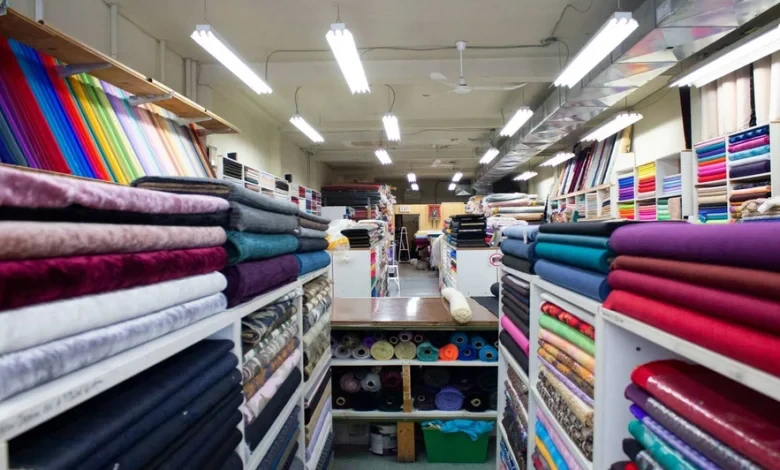
Jamal Al-Adar, an expert and enthusiast of men's fabrics, revealed that winter fabric prices start at 100 riyals and can reach 100,000 riyals, depending on the specifications of each fabric and piece, warning of deceptive practices customers face when shopping.
Cashmere, English and Italian are the best types, along with tips to avoid being cheated when shopping
Al-Adar explained that the rise in price of some pieces to this extent is due to the quality of the material, which is usually cashmere — a full wool obtained from the necks of cashmere goats. He ranked cashmere, English and Italian among the best winter fabrics, noting that the English are known for authenticity, while the Italians lean toward innovation and modernity.
Regarding fraud, he said some sellers lead customers to believe the fabric is raw wool, when it is in fact a compilation of wool leftovers from factories after the season ends. He advised reading the product details, as raw wool is usually marked "Super 120" to "Super 180".
He stressed that choosing fabric depends on the region and the occasion; the moderate cold in Riyadh differs from Hail, while Tabuk, where snow falls, requires heavy wool. Likewise, fabric for formal work and social occasions differs from that for daily errands. He noted that grey and black lead sales every year.
He stressed that wool should not be washed at home because it shrinks and changes, and that its place is specialized laundries that wash it with water vapor, unlike Mashrouk fabric, which can be washed at home without damage.
He pointed out that geopolitical changes in the region and delayed shipment arrivals have contributed slightly to the price increases, and recounted that a friend's goods were lost at sea since last Ramadan, reaching him only in Dhul-Hijjah after it emerged they had been in a warehouse in the Indian city of Delhi.