Study Reveals New Mechanism for Advancing Cochlear Implants
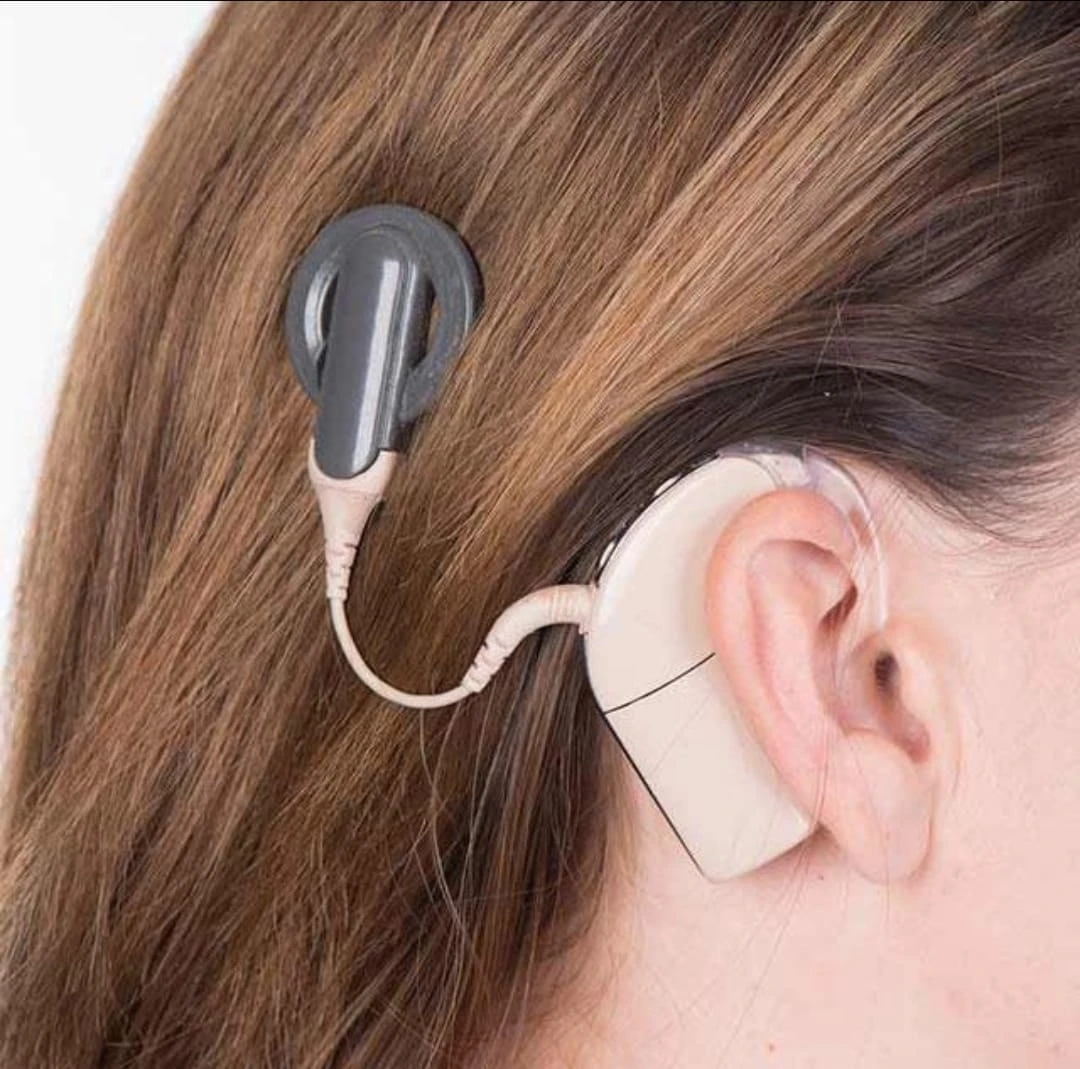
A recent study from Oregon Health and Science University has provided new insight into how the inner ear processes sound, which could contribute to the development of cochlear implant technologies in the future.
The findings open new horizons for understanding how the brain processes auditory signals
The study, published in the scientific journal Science Advances on November 20, showed that low sound frequencies can produce synchronized vibrations in widely separated regions of the cochlea, rather than in a single location, contrary to the traditional scientific explanation that links the reception of each frequency to a specific site within the cochlea.
The researchers said they used optical coherence tomography, a biomedical technique developed by Dr. David Huang at the university and used in routine eye examinations, explaining that this technique enabled them to eliminate noise and detect the low-frequency sound signal recorded at separate points in a guinea pig cochlea.
Dr. David Huang said: "These findings open new horizons for understanding how the brain processes auditory signals, and may help improve the quality of cochlear implants in the future."
The study's lead researcher, George Burrod, explained that the findings suggest that optimal cochlear implant design may require more complex patterns of electrical stimulation, going beyond relying on electrode placement and stimulation intensity alone.
The researchers noted that this discovery could open new research avenues for improving cochlear implant users' ability to distinguish sounds and understand speech, particularly in environments where sounds and background noise overlap, stressing that the findings represent a step toward understanding the mechanisms of hearing, and that translating them into therapeutic applications requires further studies.
The team confirmed that this discovery builds on previous research published in 2022 that first revealed an unexpected pattern of low-frequency responses, noting that co-author Dr. Alfred Nuttall, former director of the university's hearing research center, was among the study's participants before his death in January.
The researchers said the other co-authors are Dr. Pierre Hakizimana, Wajiha Zaidi, and Dr. Anders Fridberger from Linkoping University, Dr. Karl Grosh from the University of Michigan, and Dr. Recang Wang from the University of Washington.
The team expects these findings to contribute to the development of cochlear implant technologies in the future, enhancing the quality of life of people with hearing disabilities and stimulating further research into understanding the precise mechanisms of hearing.