Jeddah Turns Into an Open-Air Gallery With 30 Art Installations
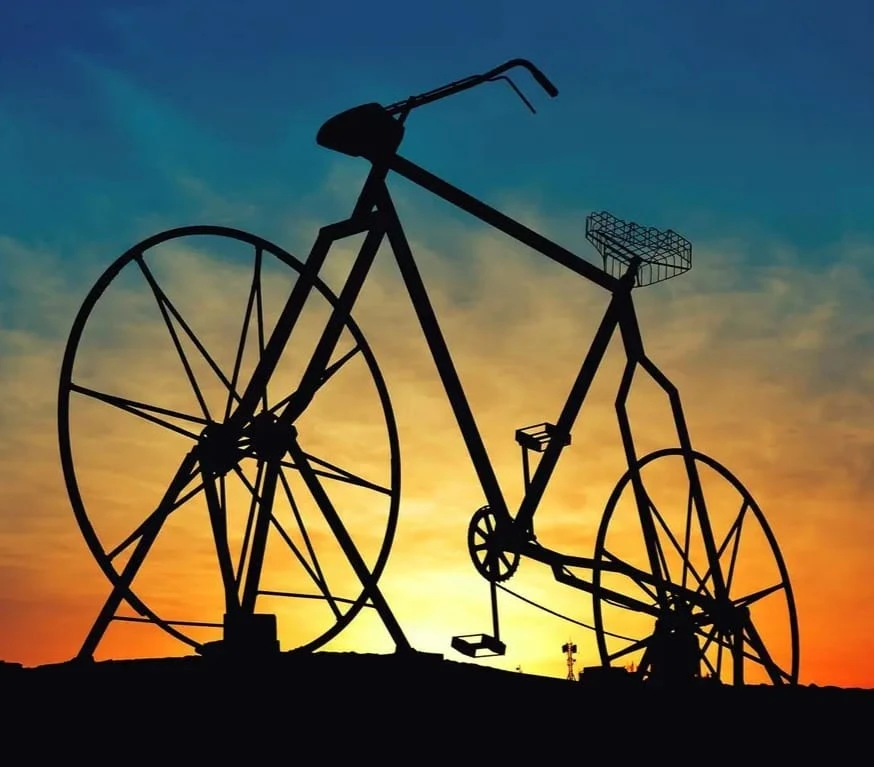
Scattered across Jeddah's roads and squares are some 30 artworks by Spanish artist and architect Julio Lafuente, which over the decades have formed visual landmarks woven into the memories of residents and visitors alike, helping shape the aesthetic identity of the Bride of the Red Sea and turning the city into an open-air art gallery that combines the beauty of artistic composition with the authenticity of the local environment.
The installations have gone beyond their aesthetic dimensions to serve as location markers and wayfinding points.
Lafuente's works accounted for the largest share of the Jeddah Beautification Project, launched in the 1970s, going beyond their aesthetic dimensions to serve as location markers and wayfinding points, much like digital maps do today, and over time they became landmarks by which Jeddah is known worldwide.
Since beginning his collaboration with the Jeddah Municipality in the mid-1970s, Lafuente has produced artworks varied in their ideas and meanings, executed with materials drawn from the city's environment, which helped strengthen the connection between these installations and the place and the memory of its residents and visitors.
Among these works, the bicycle installation stands out as one of the most familiar visual landmarks for Jeddah's residents, distinguished by its striking design and massive iron structure reaching a height of 15 meters.
The globe installation, located north of King Abdulaziz Road, with its design combining glass and colored concrete, symbolically evokes the standing of Mecca at the heart of the Islamic world, while the four lantern installations on Al-Andalus Road recall the beauty and authenticity of old Mamluk mosque lamps.
The artistic themes of Lafuente's works ranged across cultural and religious dimensions: the Qibla installation faces the Grand Mosque, an artistic composition combining marble lines and geometric forms as an expression of Islamic identity, while the Verse installation brings together marble and bronze with the beauty of Arabic calligraphy, reflecting the Spanish artist's grasp of local culture and his ability to express it artistically.
His works also extended to awareness-raising themes, notably the 'Crazy Speed' installation, made up of five real cars interlocked within a concrete cube, carrying a message about the dangers of speeding and reckless driving. His architectural contributions also included the former Jeddah Literary Club building, currently occupied by the Culture and Arts Society.
Julio Lafuente's works remain a testament to a chapter in Jeddah's beautification journey and part of the city's visual identity and generational memory, bearing artistic and cultural values that reflect the city's beauty and authenticity.