Wadi Hali's Memory in Some 5,000 Pieces: A Museum Chronicling Life in the Past South of Qunfudhah
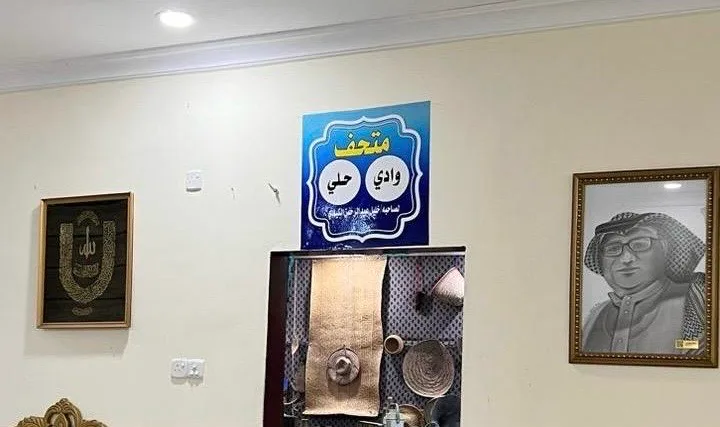
The Wadi Hali Museum south of Qunfudhah documents the life of the wadi's residents through around 5,000 heritage pieces, including clothing, jewelry, handicrafts, cooking utensils, and farming tools. The museum, which opened in 1441 AH, attracts visitors and researchers from across the Kingdom.
The Wadi Hali Museum is one of the museums documenting the lives of the wadi's residents south of Qunfudhah governorate, and its collections tell how people lived in their homes, what they wore, and what tools they used to farm their land.
Museum owner Khalil Arab Al-Kiyadi said the museum opened in 1441 AH and houses some 5,000 heritage pieces, including examples of the traditional clothing of the wadi's residents, women's jewelry, and adornment and beauty accessories, alongside exhibits that introduce visitors to the wadi's old architecture.
Among the handicrafts on display at the museum are the making of the mazalla (palm-frond umbrella) and the zanbil (woven basket), among other palm-frond wares, as well as the cooking and serving vessels once used in Hali's homes, and the farming tools residents relied on in their daily work in the fields.
Al-Kiyadi noted that the museum is currently seeing notable turnout from visitors coming from various regions of the Kingdom, taking advantage of the mild weather along the coastal strip, adding that among its visitors are researchers and heritage enthusiasts who, through its collections, learn about the customs of the wadi's people and the skills passed down from generation to generation.