After Tense Relations with Khartoum, Abiy Ahmed Proposes Initiative to End Sudan War
Ethiopian Prime Minister Abiy Ahmed called on all Sudanese military, political and civilian parties to a comprehensive national dialogue hosted by Addis Ababa to stop the war, affirming that his country stands at an equal distance from all sides and that Sudan's future will be decided by its own people, amid tensions between the two countries.
In an initiative announced on Tuesday, Ethiopian Prime Minister Abiy Ahmed invited all military, political and civilian parties in Sudan to take part in a comprehensive national dialogue hosted by Addis Ababa, aimed at stopping the raging war in the country.
Abiy Ahmed affirmed that the Ethiopian government is ready to host the dialogue and facilitate its work, allowing the Sudanese parties to address their differences through understanding and political consensus, and to end the fighting and the military and political divisions tearing the country apart.
The Ethiopian premier explained that the initiative aims to launch an inclusive Sudanese political process that could pave the way for agreement on transitional arrangements and the formation of a broadly accepted national unity government, stressing that Sudan's future must be decided by the Sudanese themselves and that any solution imposed from outside will not achieve lasting peace.
Abiy Ahmed stressed that his country is not seeking to push through a political agenda or back one side at the expense of another, announcing Ethiopia's readiness to stand at an equal distance from all parties and to provide an open and credible dialogue platform enabling Sudanese forces to determine their country's future through their independent national will.
The Ethiopian prime minister called on the international community, neighboring countries, and regional and international organizations to support the initiative, intensify humanitarian assistance to the affected, displaced and refugees, and back diplomatic efforts aimed at stopping the war.
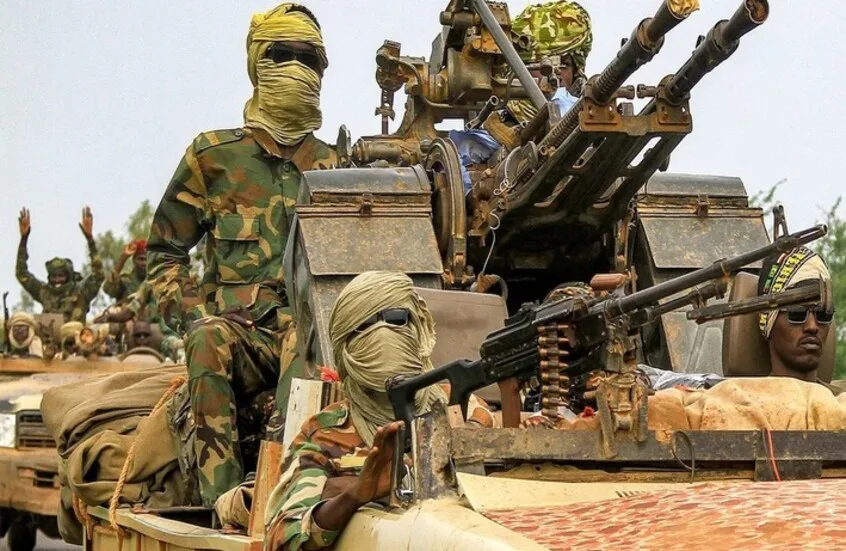
The call comes as the Sudanese war enters its fourth year, after it broke out on April 15, 2023 between the Sudanese army and the Rapid Support Forces, over disputes about integrating the forces into the military institution and political transition arrangements, before the fighting widened and turned into a large-scale humanitarian crisis, with millions of Sudanese displaced and damage to infrastructure and basic services.
The Ethiopian initiative takes on added importance given the tensions that have marked relations between Addis Ababa and Khartoum in recent weeks, with the two countries exchanging accusations of interference in each other's internal conflict, and authorities in both countries taking reciprocal diplomatic measures including closing consulates and expelling diplomats.
The Sudanese government had accused Ethiopia of allowing its territory to be used for drone attacks on targets inside Sudan, accusations Addis Ababa denied, while Ethiopia levelled similar accusations against Sudan and other countries of supporting armed groups fighting the Ethiopian government. The tension raised fears of conflicts widening and overlapping in the Horn of Africa region.
Abiy Ahmed based his initiative on what he described as Ethiopia's role during Sudan's 2019 transition, when Addis Ababa took part in efforts to bring the military and civilian components closer following the ouster of former President Omar al-Bashir, stressing that Sudan's stability is directly linked to Ethiopia's and the region's security.
As of the initiative's announcement, no official response had been issued by the Sudanese army or the Rapid Support Forces regarding the Ethiopian call, and no specific date had been announced for the start of the dialogue or a mechanism for selecting its participants, making the prospects for its convening and the parties' response to it among the most prominent questions facing the new initiative.
Efforts to end the Sudanese war face a challenge in the multiplicity of mediation tracks and regional and international initiatives, and the divergent positions of military and political forces on ceasefire arrangements and the future of governance, which makes the success of any dialogue contingent on the participation of influential parties and guarantees for implementing whatever may be agreed.