New Technique Targets Cancer Cells That Escape Phototherapy
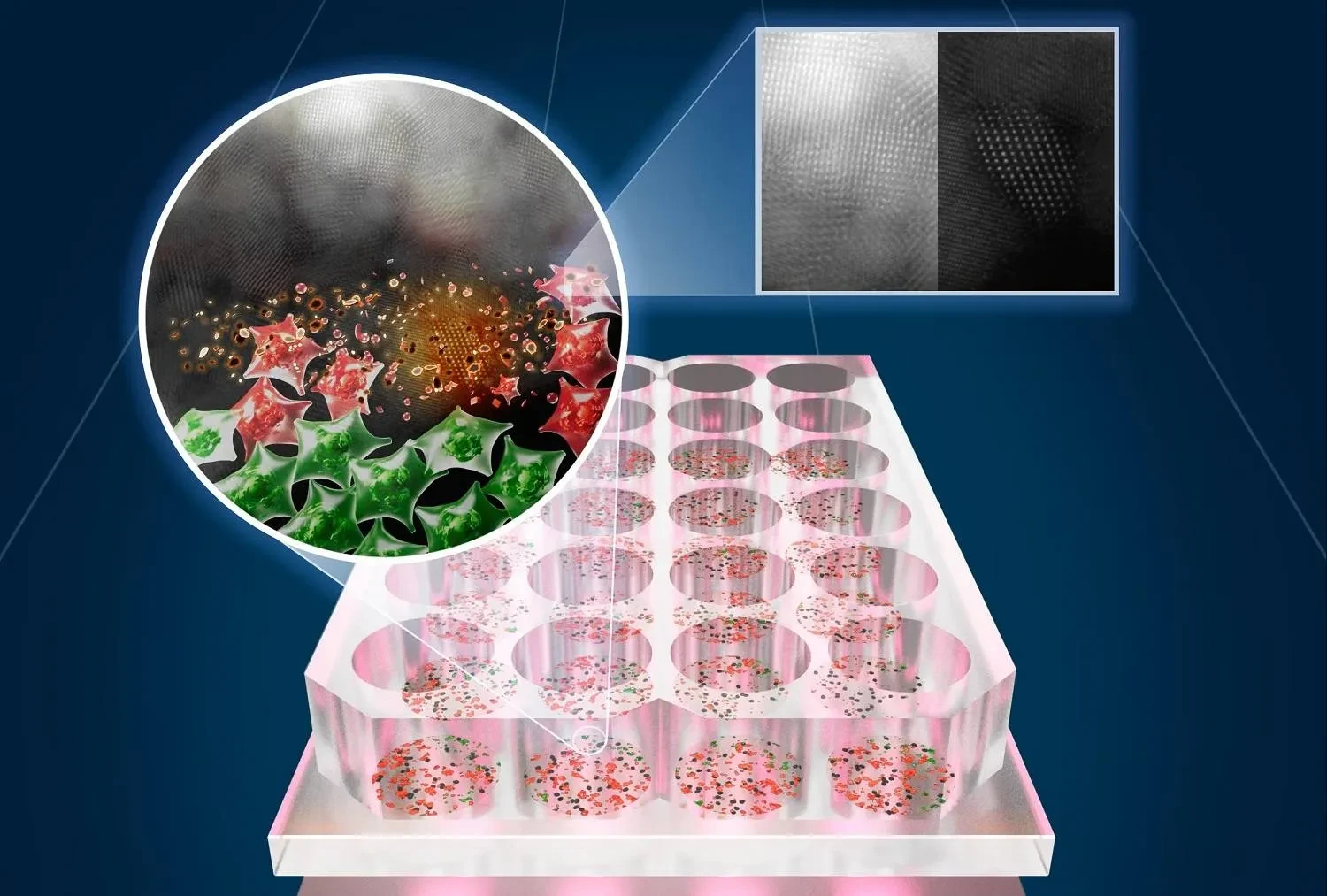
A research team at Japan's Nagoya University has developed an experimental cancer treatment technique that combines ultrafine iron oxide particles with photoimmunotherapy, in an attempt to eliminate cancer cells that do not respond to targeted therapies and that may cause tumors to return after treatment.
The first exposure increases the permeability of blood vessels inside the tumor
The new technique relies on attaching iron oxide nanoparticles, about 20 nanometers in diameter, to antibodies carrying a dye that responds to near-infrared light. When light is shone on the tumor, the particles activate and produce heat that extends to neighboring cancer cells, including those lacking the protein targeted by conventional treatment.
Experiments in mice showed that repeated light-exposure sessions enhance the technique's effectiveness, as the first exposure increases the permeability of blood vessels inside the tumor, allowing more nanoparticles to accumulate and boosting their therapeutic effect.
The researchers recorded complete tumor disappearance in 4 out of 10 mice in one group and 3 out of 6 mice in another group, while safety tests showed no significant decrease in the animals' weight or any signs of liver damage.