Al-Jadaan: Saudi Economy Has Overcome Challenges of Past Decades
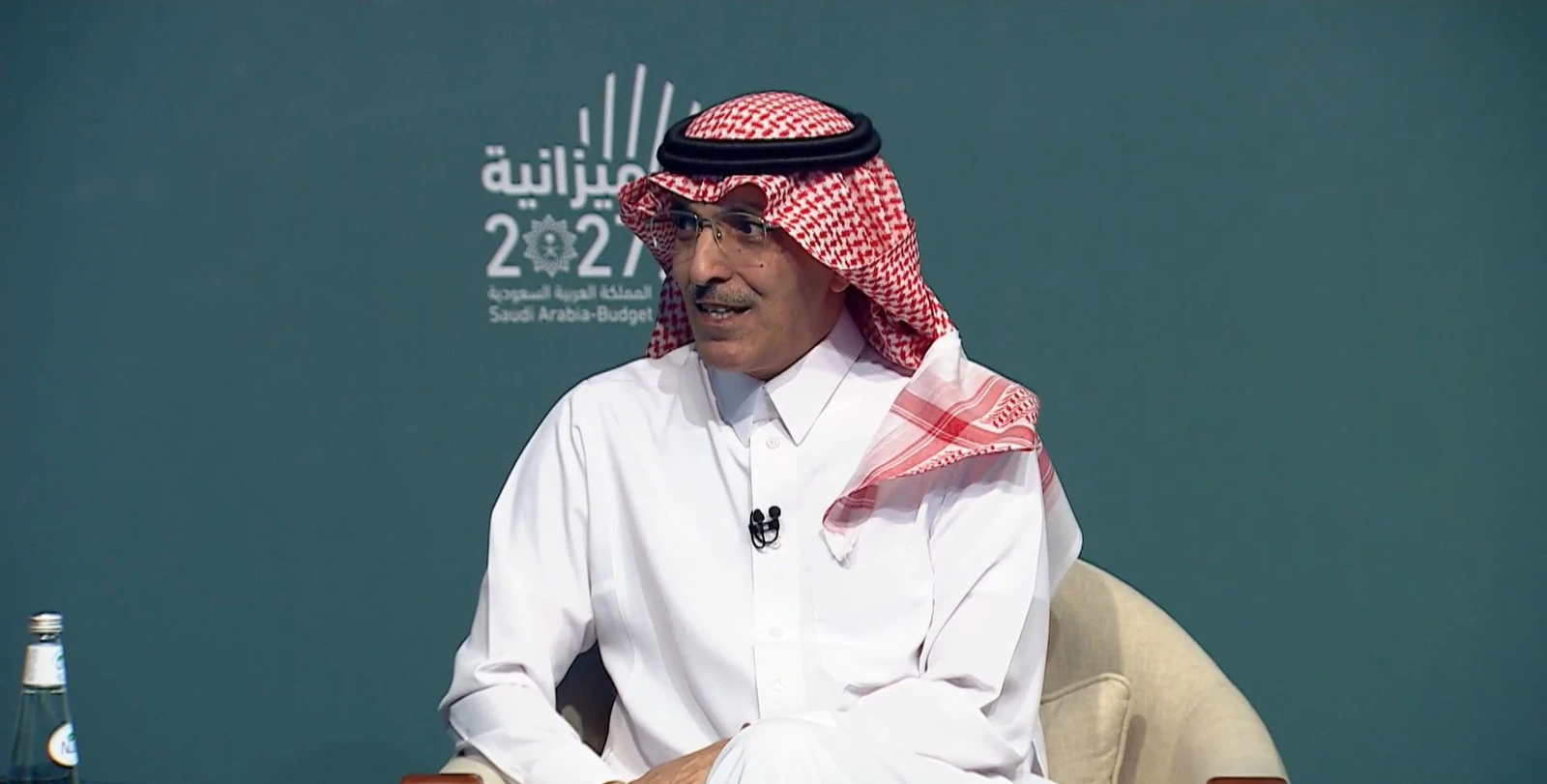
Saudi Finance Minister Mohammed Al-Jadaan affirmed that the Kingdom's economy has overcome challenges far greater than the current ones and emerged stronger, stressing that non-oil revenues now account for about 37% of total government spending, compared with about 16% several years ago. He noted that this transformation strengthens fiscal stability and reduces the impact of oil price fluctuations on government spending.
The Kingdom has developed its institutional capacities to confront crises, drawing on past experiences such as regional wars and the coronavirus pandemic.
Speaking at the 2027 Budget Forum, he explained that the Kingdom has developed its institutional capacities to manage crises and respond to changes, drawing on lessons learned from previous challenges, including regional wars and the coronavirus pandemic, noting that the Saudi economy has become better able to cope with external shocks.
He said the past ten years, since the launch of Saudi Vision 2030, have seen significant progress in the government's ability to manage crises, make rapid decisions, assess various scenarios, and anticipate potential developments.
He added that the Kingdom has invested in developing infrastructure and strengthening its ability to confront external shocks, which has been reflected in the performance of the national economy, with non-oil GDP continuing to grow, consumption remaining strong, consumer confidence rising, and private sector investments expanding.
Regarding spending priorities during crises, the minister affirmed that citizens come first among the government's priorities, stressing that investment in people—from education to employment, providing services, improving quality of life, and creating job and business opportunities—is a core pillar of the state's direction.
He noted that there is no conflict between ensuring the provision of essential services and responding to crises, affirming that dealing with challenges requires enhancing cooperation between the government and the private sector to ensure the continuity of services.