Trump Prepares to Impose New Tariffs on China and Europe: Will Americans Foot the Bill for Escalation?
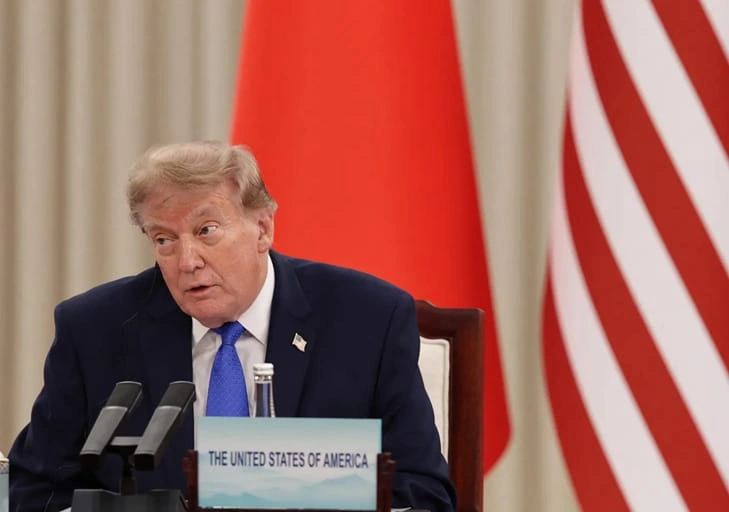
The administration of U.S. President Donald Trump is preparing to announce a new round of tariffs targeting China, Europe, and a number of trading partners, in a fresh escalation of the "America First" policy, under the banner of protecting American industry from unfair competition and dumping of low-priced goods.
Tariffs Targeting Industrial Overcapacity
The move, according to a report published by Axios, follows a trade investigation launched last March, through which the administration concluded that government support in China and Europe, along with foreign subsidies, contributed to inflating these countries' industrial output, flooding global markets, and weakening the ability of American companies to compete. The new tariffs rely on Section 301 of the U.S. Trade Act of 1974, with an approach toward imposing specific tariffs that take into account the ceilings set by previous trade agreements.
Will Washington Stick to the 15% Cap?
The plans indicate that the proposed tariffs will respect the limits set by the trade agreements Washington concluded with its partners, including agreements with the European Union and Japan, which set a ceiling of 15% on most imports.
This move comes after the U.S. Supreme Court struck down the sweeping emergency tariffs Trump imposed earlier, prompting his administration to seek alternative legal powers to rebuild tariff barriers and continue pressuring countries it accuses of trade practices that harm the American economy.
The Trade Battle Collides with the Cost-of-Living Crisis
But the timing of the escalation raises political and economic sensitivity, particularly as living costs continue to rise for Americans, who bear part of the tariff burden through higher prices for imported goods.
After their victory in the midterm elections, the Democrats are preparing to make lowering living costs a priority, with a focus on the tariffs Trump imposed. Federal Reserve officials, meanwhile, are counting on the inflationary impact of previous tariffs fading, while price pressures persist in other sectors.
The new tariffs put the U.S. administration in an awkward position: it is simultaneously seeking to build an international coalition to confront industrial overcapacity, particularly in the steel sector, while its measures may target countries that took part in trade coordination efforts.
The move also coincides with the ongoing trade dispute with Canada and negotiations over the future of the United States-Mexico-Canada Agreement.
Between protecting American factories, containing inflation, and preserving trade alliances, Trump presses on with reshaping trade policy, while a new struggle looms over the limits of presidential authority to impose tariffs, and the cost of this policy for the American consumer.