A Dangerous and Complex Operation: U.S. Army Prepares to Detonate 5 Tons of Toxic Lead in Iowa
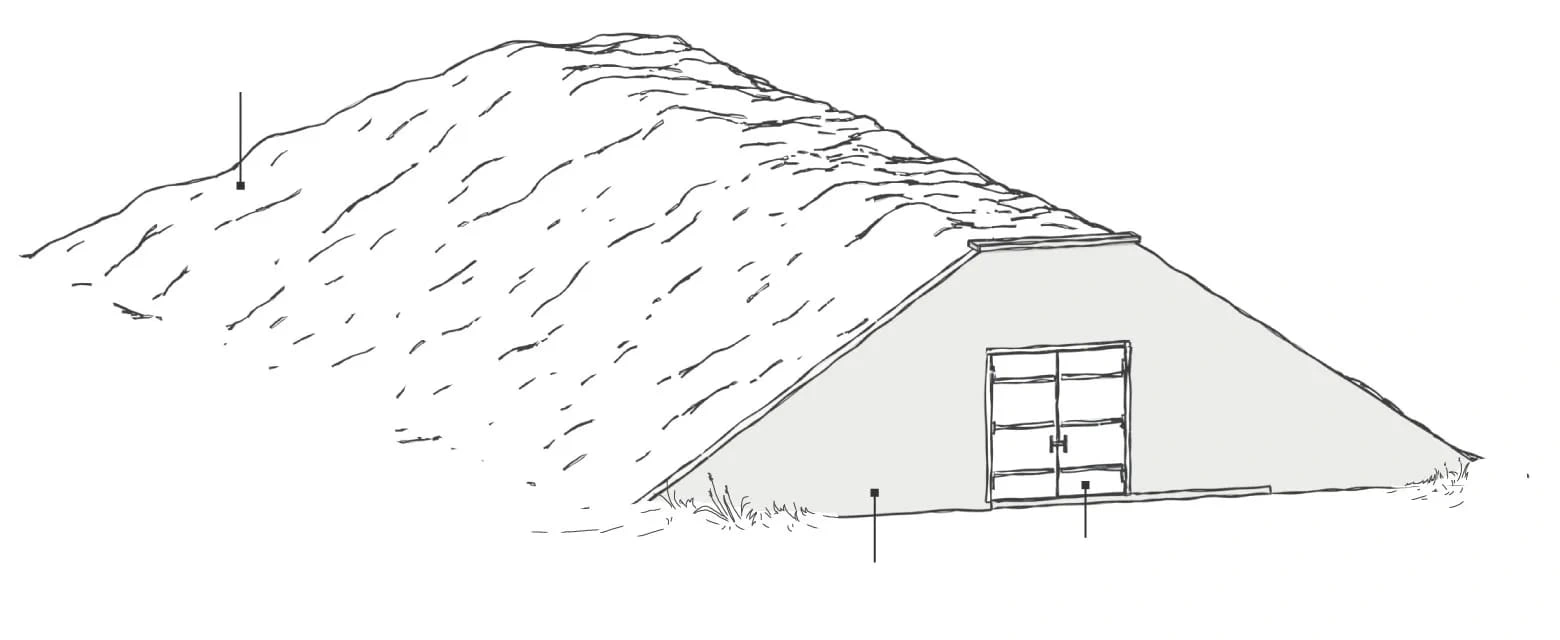
The New York Times revealed that the U.S. Army is preparing to carry out one of the most dangerous military waste disposal operations in Iowa, by detonating some 5 tons of lead azide, a highly sensitive substance used in the manufacture of military detonators, after it deteriorated and became unstable, threatening to explode spontaneously.
The newspaper's report detailed the complex plan with maps and diagrams, confirming that the greatest fear is the spread of toxic lead dust over homes and farms.
The operation will be carried out inside the U.S. Army ammunition plant in Middletown, amid elaborate measures taken to reduce the risks of explosion and the spread of toxic materials.
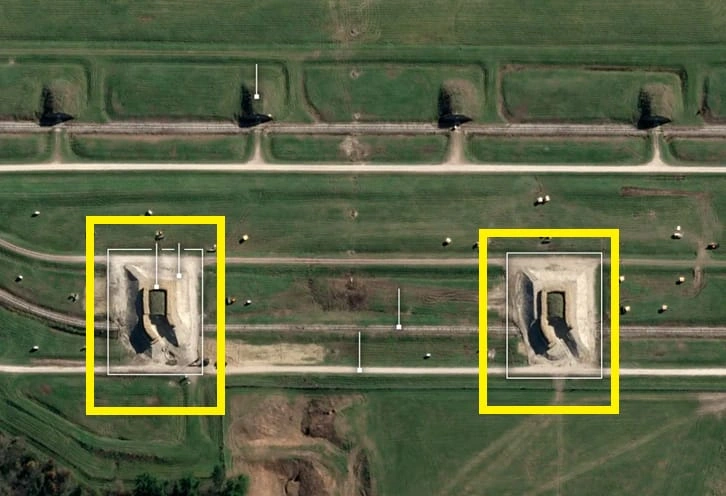
68 Barrels: A Ticking Time Bomb Inside Two Military Bunkers
The story dates back to 2009, when the U.S. Army placed a stockpile of lead azide inside two fortified bunkers at the military facility.
The stockpile consists of 68 barrels, each with a capacity of 55 gallons, distributed between the first bunker, which contains 36 barrels, and the second, which holds 32.
The total amount of stored material is estimated at about 4.4 tons.
Inspections this year revealed that the chemical had deteriorated over time and become highly sensitive, with risks associated with its crystallization inside the containers, making it extremely dangerous to transport or handle.
Why Did the Army Choose Detonation?
The army faced a dilemma in disposing of the old stockpile: hire a specialized company to chemically dismantle the material, or destroy it with a controlled detonation.
The army had awarded MuniRem Environmental a contract to treat the materials chemically, but canceled it after two months, citing safety concerns, and turned to the detonation option.
The irony is that the attempt to prevent a random explosion could release a cloud of toxic lead dust into the air.
3,000 Pounds of Explosives to Carry Out the Mission
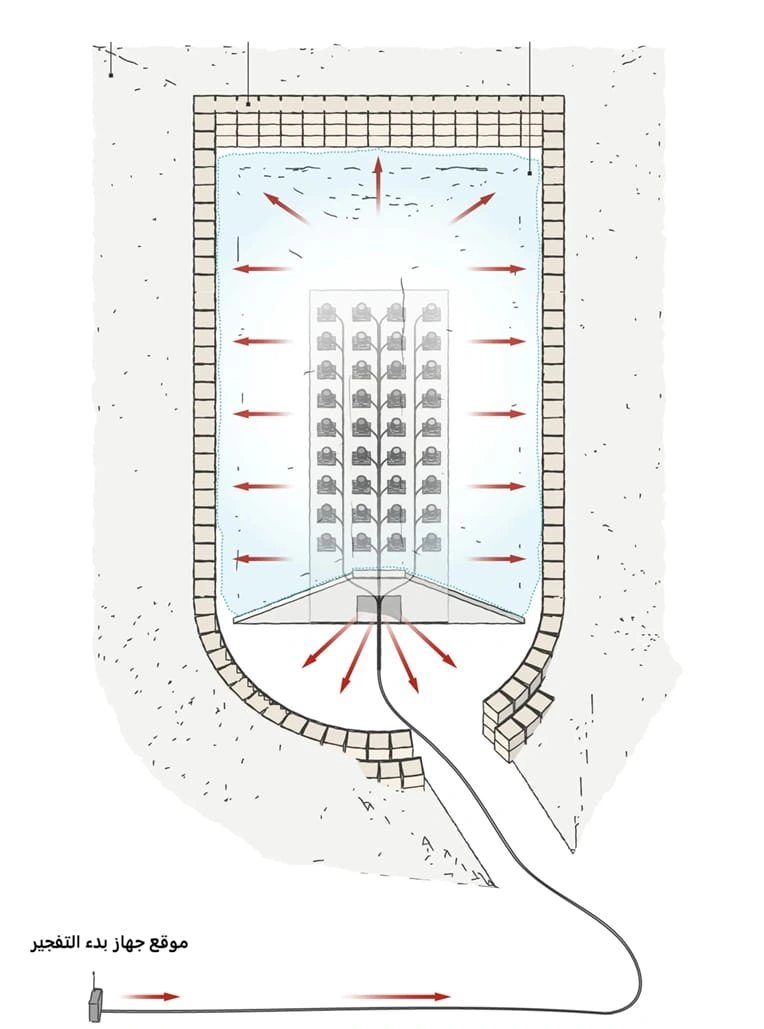
The operation requires precise engineering and military arrangements, as the army plans to use about 3,000 pounds of C4 explosives to detonate the stockpile.
The plan involves fitting the barrels with explosive charges, possibly around 40 pounds per barrel, along with modifications to the two fortified bunkers, which consist of steel-reinforced concrete structures covered by layers of soil.
The operation also requires precise coordination between the charges and the detonation stages, so that the system works in a specific sequence.
The risks do not end once the explosives are destroyed; the explosion could turn the lead into fine particles that spread through the air before settling on homes, farms, and water sources.
This raises health and environmental concerns, especially since lead exposure can cause serious neurological damage in children, in addition to its risks to adults' health.
The issue goes beyond the boundaries of the military facility, raising a difficult question about how to dispose of old weapons waste without turning it into a new threat to residents and the environment.