Al-Jasser: Transport and Logistics Investments Reach 45 Billion Riyals in 2026 Despite Regional Challenges
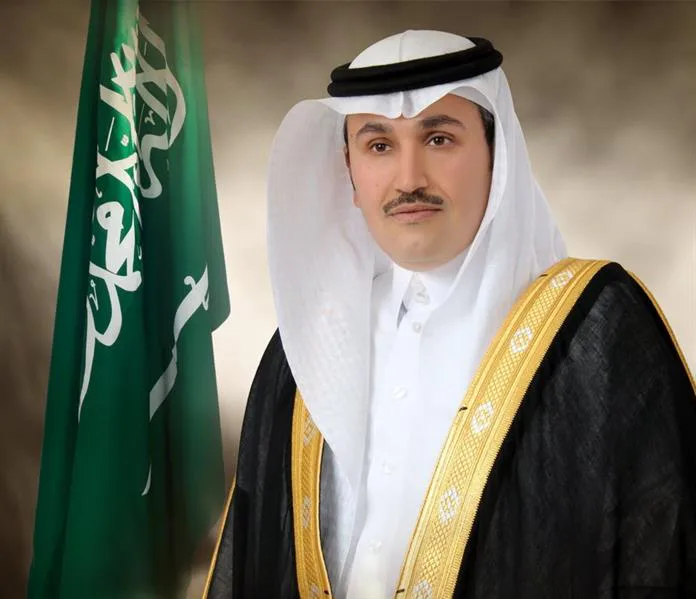
Transport and Logistics Services Minister Eng. Saleh Al-Jasser affirmed that the sector has exceeded its Vision 2030 targets ahead of schedule, with new investment commitments reaching 45 billion riyals this year, jobs rising to 780,000, women's participation reaching 33%, and Jeddah Islamic Port receiving more than 12,000 trucks daily.
Transport and Logistics Services Minister Eng. Saleh bin Nasser Al-Jasser affirmed that the transport and logistics services system has achieved qualitative leaps enabling it to exceed its Saudi Vision 2030 targets ahead of schedule, noting that new investment commitments in the sector during 2026 reached 45 billion riyals, despite the current regional challenges and circumstances.
This came during the minister's participation in a dialogue session titled "Logistics and Technological Capabilities Connecting the World" as part of the Saudi Budget 2027 Forum, where he explained that the transport system now operates as an integrated system encompassing all regulatory and legislative bodies, including civil aviation, transport, roads and ports, in full harmony with the private sector, which represents the main driver of resources and investments of the National Transport and Logistics Strategy.
Al-Jasser revealed that the Kingdom has succeeded in recent years in attracting hundreds of billions in qualitative investments from major global companies, citing Maersk's investment in Jeddah Islamic Port, which is the company's largest logistics zone in the world, noting that the zone's occupancy rate reached 100%, prompting the company to request an expansion of its investments in the Kingdom.
The minister explained that Jeddah Islamic Port today comprises 17 integrated logistics zones, while this year saw the signing of multi-billion-riyal investment agreements with CMA CGM to invest in the Jeddah terminal, along with the signing of contracts for five new logistics zones.
Regarding railways, Al-Jasser noted the order of 20 new trains for the Haramain train, in addition to new trains for the East, North and minerals lines, the signing of contracts to dual the minerals road to serve three mines, and reaching the final stage of awarding the Riyadh connector to link the Kingdom's networks within the capital, as well as a focus on completing the land bridge project in partnership with the private sector.
As for operational resilience and crisis management, Al-Jasser said the system demonstrated its high readiness starting with the coronavirus pandemic, during which trade grew by more than 5%, then the Red Sea challenges in 2023 and 2024, and finally the exceptional circumstances during the current year, explaining that within weeks the system succeeded in redirecting trade routes and boosting the capacity of western coast ports, which during September and October handled quantities exceeding those handled by all of the Kingdom's ports during the same period last year.
The minister noted that Jeddah Islamic Port currently receives more than 12,000 trucks daily, with expectations of reaching 15,000 trucks in the coming weeks, affirming that this was achieved thanks to a package of immediate measures, including doubling the port's gates from 9 to 18, establishing external staging areas to reduce the impact on traffic in Jeddah, activating automated booking and handling systems, in addition to direct daily coordination with the Zakat, Tax and Customs Authority and all security and regulatory agencies.
Regarding localization and human capacity development, Al-Jasser revealed that the number of jobs in the system's sectors has risen to about 780,000, marking nearly triple the growth compared to 2019, while the participation rate of Saudi women in the sector jumped to 33% of total workers, and the localization rate in leadership positions and high-level skills reached about two-thirds.
Al-Jasser attributed this success to the establishment of specialized academies with world-class standards whose programs are linked to direct employment with the private sector, along with technological development that transformed the operation of massive cranes in ports and the driving of modern trains such as the Haramain train and the Mashair train into advanced work environments attractive to the nation's sons and daughters.
The minister affirmed the continued operation of the work system according to a balanced methodology combining flexible and rapid handling of exceptional changes, sustaining daily operational activities, and moving forward with the implementation of major strategic and transformative projects with full efficiency and capability.