Oslo Dialogue Affirms Importance of Expanding Blended Finance to Meet Sustainable Development Priorities
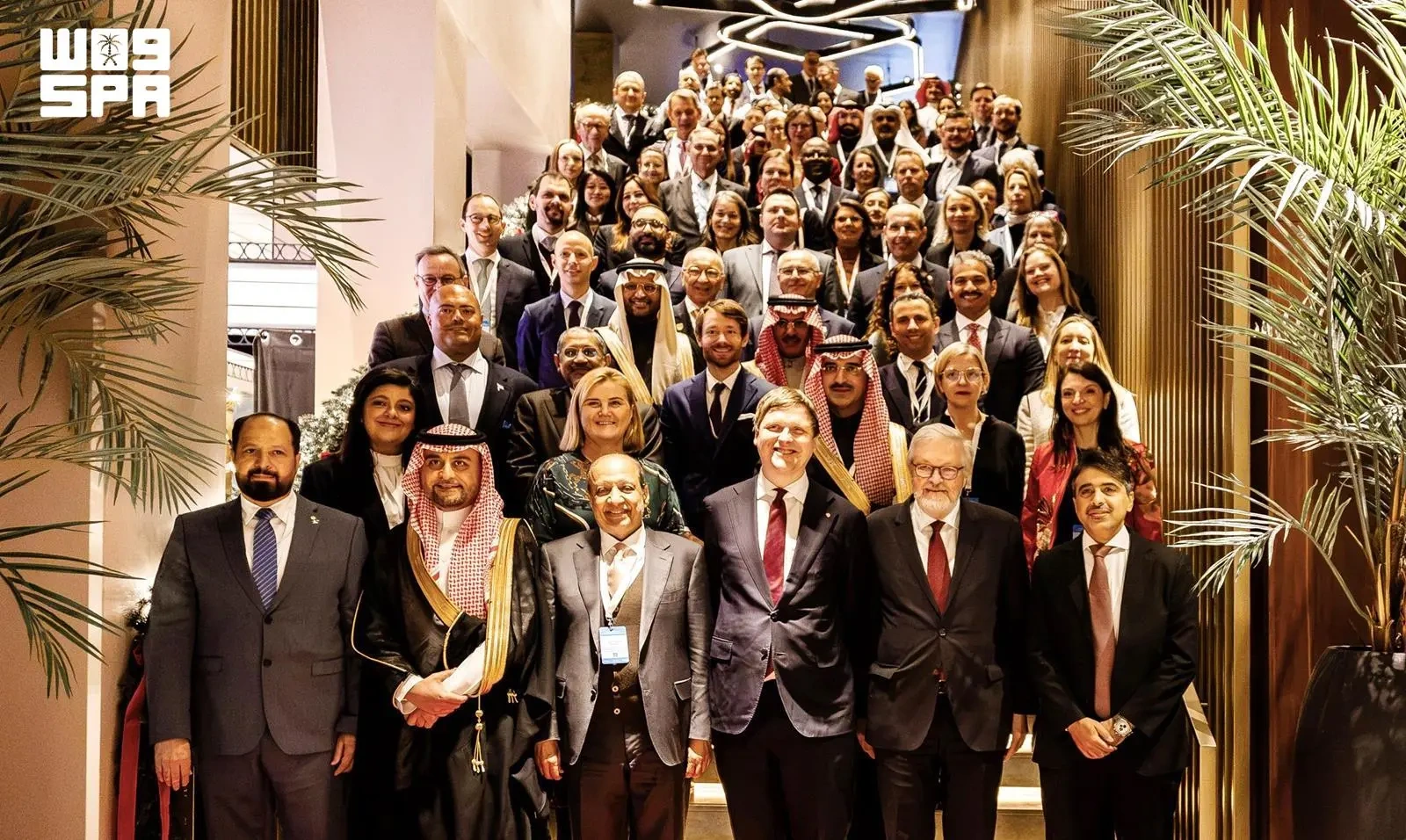
Members of the Arab Coordination Group and the OECD Development Assistance Committee affirmed their commitment to strengthening cooperation to support recovery and reconstruction in fragile states and communities, and to expanding blended finance to meet sustainable development priorities, during the development dialogue held in the Norwegian capital Oslo on November 24-25.
The dialogue was co-chaired by Director General of the Norwegian Agency for Development Cooperation Gunn Yurid Roset, Director General and Chairman of the Board of the Arab Fund for Economic and Social Development and Chairman of the Arab Coordination Group Fawzi Youssef Al-Hunaif, and Chair of the Development Assistance Committee Carsten Staur.
Participants discussed the future of international development cooperation amid the widening financing gap for the Sustainable Development Goals and the worsening of global crises, and affirmed the importance of building partnerships based on parity and mutual respect, and strengthening the role of recipient countries in setting their priorities and aligning development programs with them.
They discussed ways to support recovery and reconstruction, including in the Syrian Arab Republic, and stressed the importance of exchanging information between Arab donor agencies and committee members, and coordinating humanitarian, development, and peacebuilding efforts in support of regional and international initiatives.
On the blended finance track, participants discussed ways to attract private capital to finance infrastructure projects and climate action, and to support youth employment and provide decent work opportunities. They affirmed the importance of integration between development agencies, national and regional development funds, development finance institutions, and multilateral development banks.
Participants affirmed that blended finance complements concessional public development financing, and welcomed continued cooperation under the partnership between the Arab side and the committee in this field, through country-level blended finance platforms, policy dialogue, and capacity-building programs.
It is worth noting that the Arab Coordination Group was established in 1975, comprises 10 development institutions, and has financed more than 13,000 development projects in more than 160 countries since its founding.