Taking Effect in January and Covering 14 Major Trading Partners: Full Details of Trump's New Tariffs
U.S. President Donald Trump has launched a new round of tariffs against 14 major trading partners, including China, Japan and the European Union, as the losses his Republican Party suffered in the U.S. midterm elections did not deter him from pressing ahead with his protectionist approach.
According to Reuters, the new tariff list includes imposing a 20% tax on certain imports from China, a rate that the Trump administration indicated could be raised to 40% if Beijing fails to comply with the terms of the trade truce it concluded with Washington.
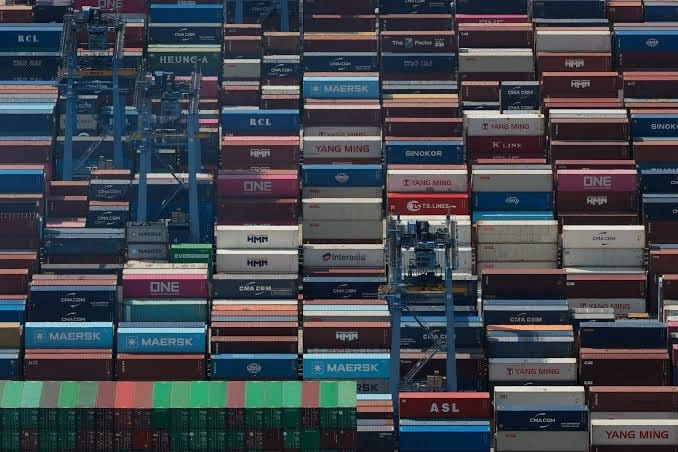
The Trump administration also proposed imposing high tariffs - also subject to increase - on goods from the 27 member states of the European Union, along with other trading partners: India, Japan, South Korea, Cambodia, Taiwan, Vietnam, Bangladesh, Indonesia, Malaysia, Singapore, Thailand and Switzerland.
Beyond the United States' major trading partners, the commercial activities of other countries were examined but not included in the current tariff proposal: Mexico and Norway.
Brazil, meanwhile, faces a separate tariff measure following stalled trade negotiations, which includes:
- Aircraft: a proposal to impose an additional 10% tariff on ready-made commercial aircraft.
- Sugar: increased duties on sugar imports exceeding specified quotas.
Taking effect in January 2027
These tariffs will not enter into force until after a public hearing is held on January 25, 2027.
U.S. Trade Representative Jamieson Greer stated that the aim of these tariffs is to counter "industrial strategies based on targeting the manufacturing sector, suppressing wages and labor, providing financial support and other forms of subsidy, using inputs from non-market economies, and other market-distorting practices" - practices the American side believes undermine its industrial base.
Washington has long accused China of subsidizing its industrial sectors and flooding global markets with low-cost exports, ranging from steel and electric vehicles to solar energy products.
For its part, Beijing renewed its rejection of "trade wars" and dismissed the notion of "excess production capacity," but stopped short of threatening retaliatory measures.