OPEC Blames EU for Collapse of COP31 Talks
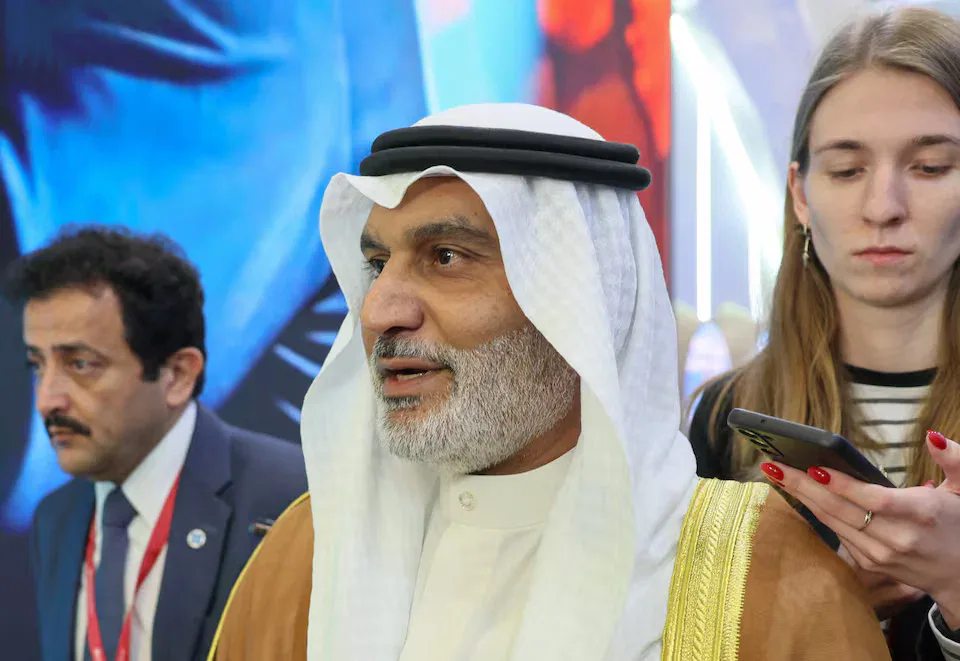
OPEC Secretary-General Haitham al-Ghais said oil and gas producing countries acted in good faith at the COP31 climate conference and that the European Union's withdrawal is what doomed the negotiations. He accused the bloc of hypocrisy for easing energy regulations, while the conference president pointed to disputes over fossil fuel language and finance.
OPEC Secretary-General Haitham al-Ghais on Wednesday directly accused the European Union of undermining the UN climate conference (COP31) negotiations, affirming that oil and gas producing countries acted "in good faith" during the talks and should not be blamed for their collapse.
In a post titled "What really happened at COP31?" published on his blog, al-Ghais rejected accounts that blamed Saudi Arabia, Russia and other oil-producing countries for the collapse of the negotiations, which ended on Sunday two days past their scheduled deadline, writing: "These countries were not the parties that walked out, nor were they the ones that paralyzed the negotiations."
Oil-producing countries had opposed the language on transitioning away from fossil fuels and supported a reference to "carbon capture, utilization and storage" technology, an emerging technology aimed at trapping carbon emissions that cause global warming.
The UN climate summit ended without agreement after the European Union and a number of countries rejected the final political text put forward by Türkiye and Australia as co-chairs of the conference, deeming it unacceptable because it lacked any reference to a transition away from fossil fuels. Several countries accused the oil states of exerting undue influence over the process.
In the same vein, al-Ghais accused the EU of hypocrisy, saying it calls for moving away from hydrocarbons while at the same time easing some of its energy regulations, citing the bloc's decision to delay requirements for accounting for methane emissions on oil and gas importers until 2029. EU officials did not respond to a request for comment.
During the conference, a number of negotiators from island, African, Latin American and European countries told Reuters they believed Saudi officials had unusually broad access to the document held by the conference's co-chairs, giving them influence in the negotiations disproportionate to their size. Saudi Arabia did not respond to requests for comment.
For his part, the conference president and Turkish environment minister Murat Kurum defended the process, saying the co-chairs had engaged with all parties. He told Reuters that the EU's focus on a "definition of fossil fuels" was a major obstacle to reaching consensus, alongside disputes over climate finance. The EU had warned before the conference that discussions on new climate finance pledges had "reached a dead end."
Anas Alhajji, partner at Energy Outlook Advisors, said on Wednesday that the EU ultimately rejected a compromise text that would have referred to the 2023 UAE agreement, in which countries called for transitioning away from fossil fuels, recognized carbon technology, and acknowledged that countries' national circumstances differ.
Small developing countries, for their part, also opposed the reference to carbon capture, utilization and storage technology, insisting it is costly, has not proven effective at scale, and could prolong oil and gas production.
In this context, Kathy Jetnil-Kijiner, lead negotiator for the Marshall Islands, said on Wednesday: "I feel I will sleep soundly tonight knowing I did not sign an agreement that includes carbon capture, utilization and storage technology," adding: "I do not feel any kind of regret for not supporting the COP decision."