Report: Creatine Goes Beyond Muscle Building to Supporting Brain Health
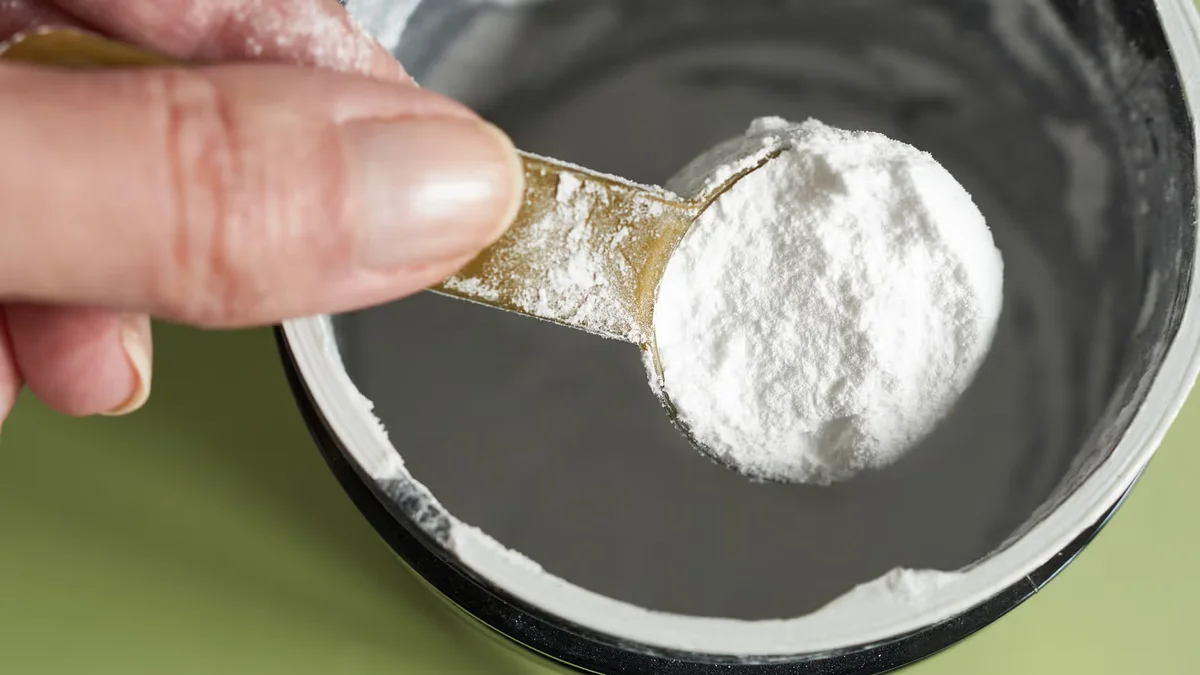
Creatine is no longer just a supplement associated with muscle building and improved athletic performance, as researchers are increasingly interested in its potential role in maintaining physical and mental health with age, by supporting muscle mass and improving some cognitive functions, according to a review published by Medical News Today.
Estimates indicate that humans lose between 3% and 8% of their muscle mass every ten years after the age of thirty, making maintaining strength and physical capacity one of the challenges associated with aging.
A scientific analysis showed improvements in memory, attention, and information processing when taking creatine
Research suggests that taking creatine alongside resistance training may help preserve muscle mass and improve strength, especially among older adults, as the supplement supports energy supplies within muscle cells.
Regarding brain health, a scientific analysis covering 16 randomized trials and 492 participants showed that creatine supplementation was associated with modest improvements in memory, attention, and information processing speed, but the results did not reveal clear improvements in overall cognitive abilities or executive functions, warranting further studies to confirm these benefits.
The report highlighted the experience of one of the site's editors, who used creatine intermittently for more than ten years and noticed an improvement in his endurance and a decrease in daytime fatigue, while stressing that this personal experience does not constitute scientific evidence of the supplement's effectiveness.
Dr. Tracy Zaslow, a sports medicine specialist at Cedars-Sinai Medical Center, said that taking creatine consistently is more important than the timing of intake, noting that a daily dose of 3 to 5 grams of creatine monohydrate is sufficient for most healthy adults.
Creatine monohydrate is the most studied and widely used form, and it has a good safety record among healthy adults, but people with kidney disease or taking medications that affect kidney function should consult a doctor before using it.
Despite the promising results, there is as yet no conclusive scientific evidence that creatine extends lifespan or prevents aging-related decline, nor can it be considered a substitute for regular physical activity and balanced nutrition.