Medical Gathering in Riyadh Discusses Challenges of Ultrasound Use in Critical Cases
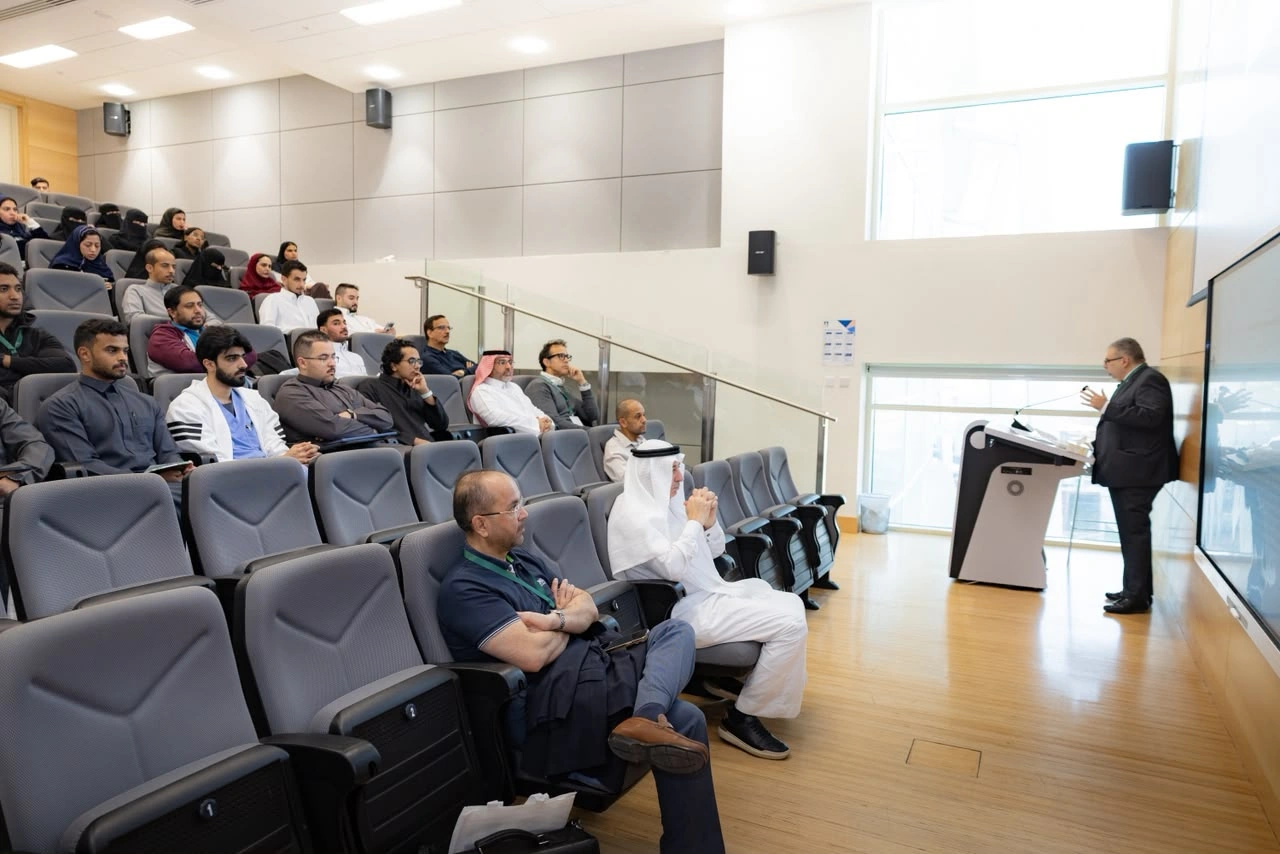
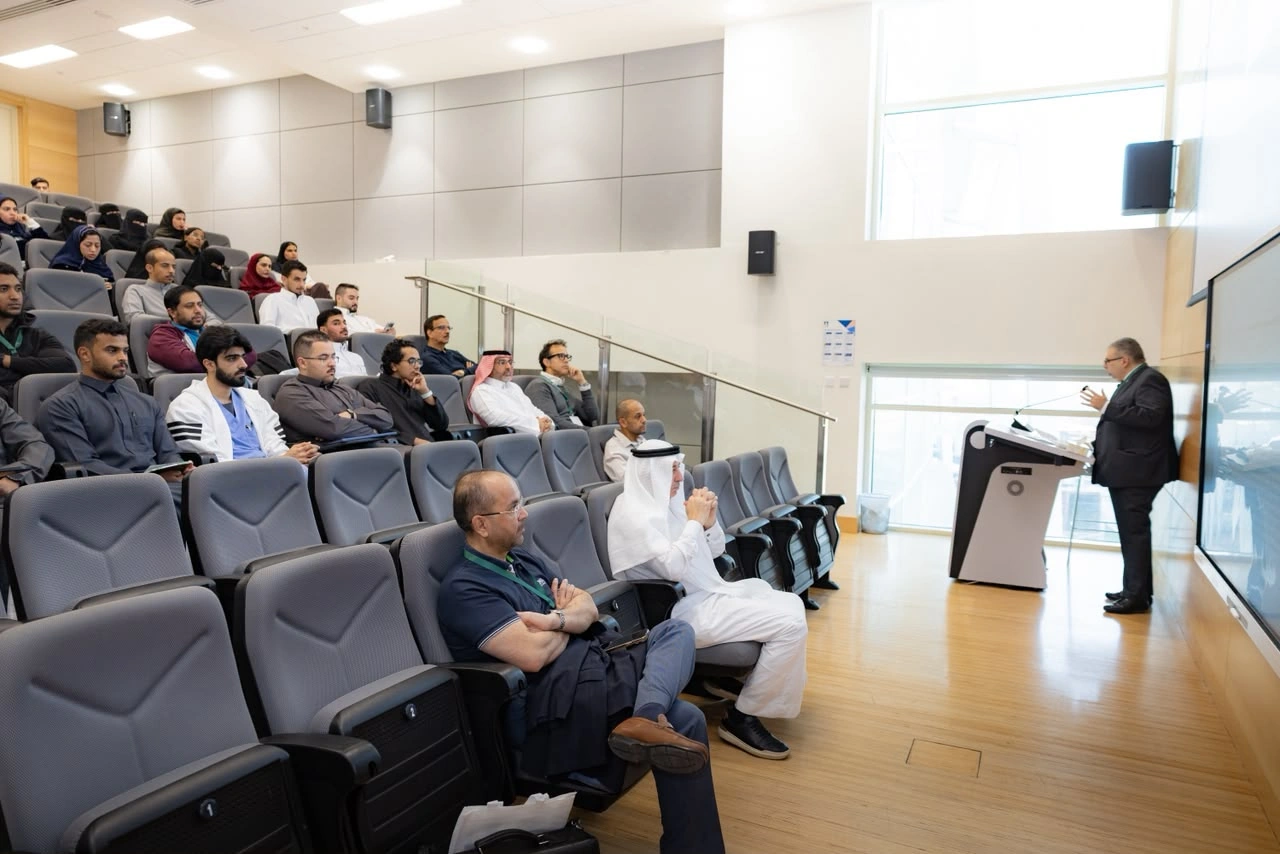
Dr. Khaled bin Munaa Al-Qattan, Vice President of Alfaisal University for Administrative and Financial Affairs and Dean of the College of Medicine, opened the 12th Ultrasound Workshop in Emergency and Critical Care Medicine, hosted by Alfaisal University at its campus in Riyadh and organized by the Emergency Medicine Department at King Faisal Specialist Hospital and Research Centre, with the participation of more than 55 physicians from various health facilities across the Kingdom.
In a press statement, Al-Qattan expressed Alfaisal University's pride in hosting this scientific event, delivered by a select group of consultants from King Faisal Specialist Hospital and Research Centre and a number of hospitals in the Kingdom, with support from specialized European and international scientific bodies.
He explained that the workshop, held annually over two days, includes a series of scientific lectures, workshops, and hands-on applications, aiming to develop physicians' skills in using ultrasound to diagnose and treat patients, noting that these efforts align with the targets of Saudi Vision 2030 for developing healthcare.
Al-Qattan added that King Faisal Specialist Hospital and Research Centre organizes a number of specialized workshops in this field, targeting various categories of the health sector, from students and nursing staff to specialists and physicians of all professional ranks.
He stressed that scientific evidence has proven the importance of training medical students and physicians in the use of ultrasound, noting that its clinical applications are not limited to emergency medicine but extend to various medical specialties.
For his part, Dr. Hani Al-Hariri, Chairman of the workshop's organizing committee, consultant in adult emergency medicine, and head of the clinical ultrasound committee at King Faisal Specialist Hospital and Research Centre, affirmed that qualifying, training, and daily practice of health practitioners represent the foremost challenges to expanding the use of this technology, despite the availability of devices in hospitals and their development up to handheld devices.
Al-Hariri explained, on the sidelines of the workshop, that point-of-care ultrasound (POCUS) has become one of the important tools in clinical practice, providing direct diagnostic capabilities at the patient's bedside that help physicians make medical decisions in emergency and critical cases.
He noted that the use of this technology contributes to improving diagnosis and raising the success rates of a number of medical procedures, including central venous catheter insertion and fluid drainage, as well as its role in evaluating patients during cardiopulmonary resuscitation, estimating their fluid needs, and assessing the functions of the heart, lungs, and blood circulation.
He added that its applications include evaluating a number of medical conditions, including urinary retention, gallbladder problems, and some cases of blood clots, noting that it does not use ionizing radiation.
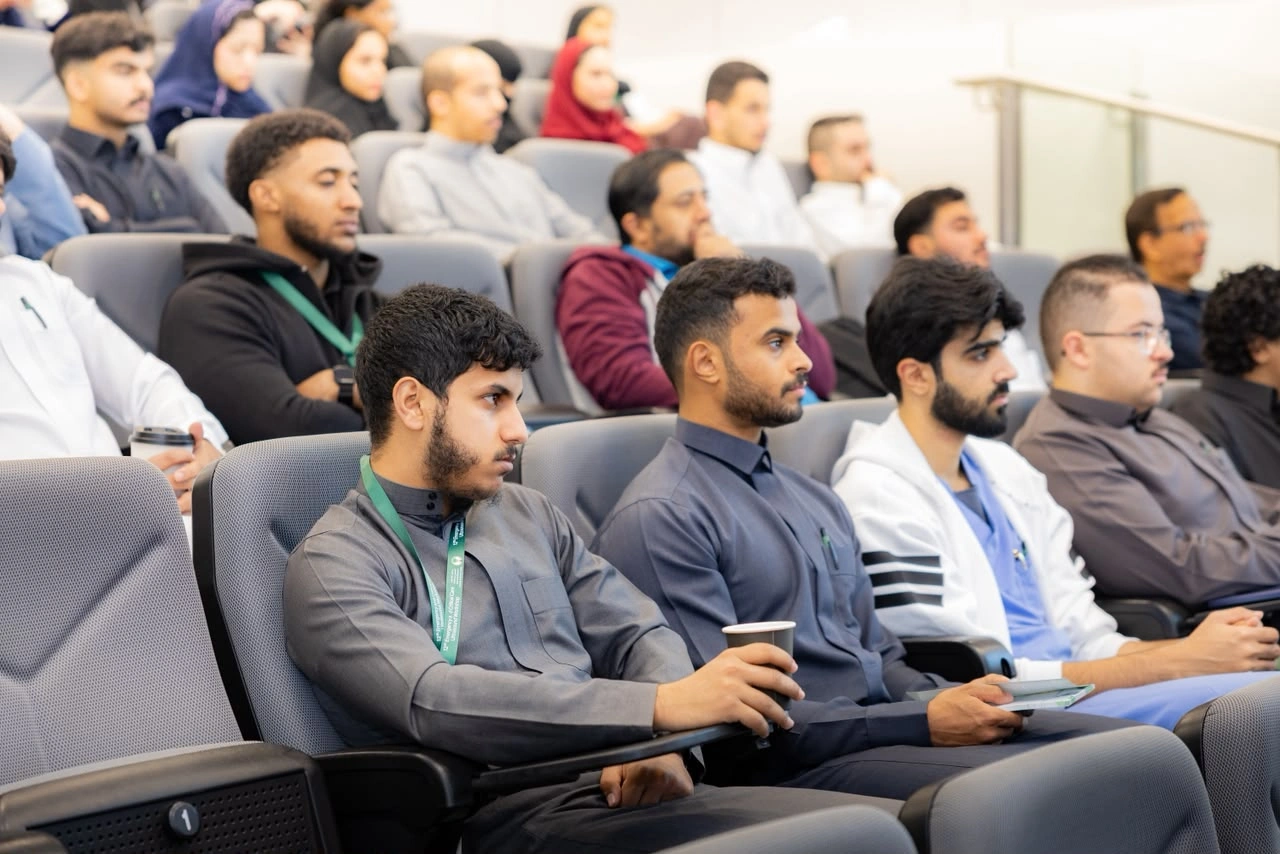
Al-Hariri stressed the importance of integrating ultrasound into clinical examination and daily medical practice, affirming that attending courses and workshops alone is not sufficient to gain competence, and that continuous practice is an essential element in developing physicians' skills.
He noted that the Emergency Medicine Department at King Faisal Specialist Hospital and Research Centre has a pioneering experience in this field, encompassing clinical practice, medical education, and scientific research, organizing specialized workshops since 2012, in addition to publishing research in scientific journals and participating in international conferences.
Al-Hariri described the current workshop as one of the most prominent specialized ultrasound workshops for emergency medicine in the Middle East, pointing to cooperation with a number of specialized European and international scientific societies and networks.
The workshop targets emergency, critical care, pediatric, surgery, internal medicine, and family medicine physicians, as well as health practitioners involved in using this technology, and includes hands-on applications using ultrasound devices and simulation models, supervised by a select group of experts and consultants.
The Saudi Commission for Health Specialties accredited the workshop for 14 hours of continuing medical education, while its hosting at Alfaisal University comes within the framework of promoting integration between academic and health institutions, developing medical competencies, and improving the quality of healthcare and patient safety.