Car Bombs and Remote Orders: Details of an Iranian Plot to Target a US Base in Britain
In a scene more like a bungled intelligence operation, five white vans moved toward a British air base used by US forces at midnight, while a suspected mastermind in Iran directed the operatives through an encrypted app and tracked their movements via cameras installed inside the vehicles. But the operation, believed to have targeted RAF Fairford, ended in failure after the operatives encountered a security barrier, abandoned their vehicles, and even called the police after being misleadingly told the vehicles contained explosives.
A Washington Post investigation reveals new details about a plot that US and British authorities say is linked to an Iranian campaign of revenge against the United States and its allies, relying on intermediaries and criminal elements to carry out operations in Europe.
من مراقبة القاعدة إلى جمع الأموال والمعدات
According to judicial investigations, Mohammed Ali al-Hasani, a 35-year-old Iraqi who had lived in Britain for years, began recruiting members and surveilling the base after Iran's Revolutionary Guard threatened in July to target facilities used by US forces.
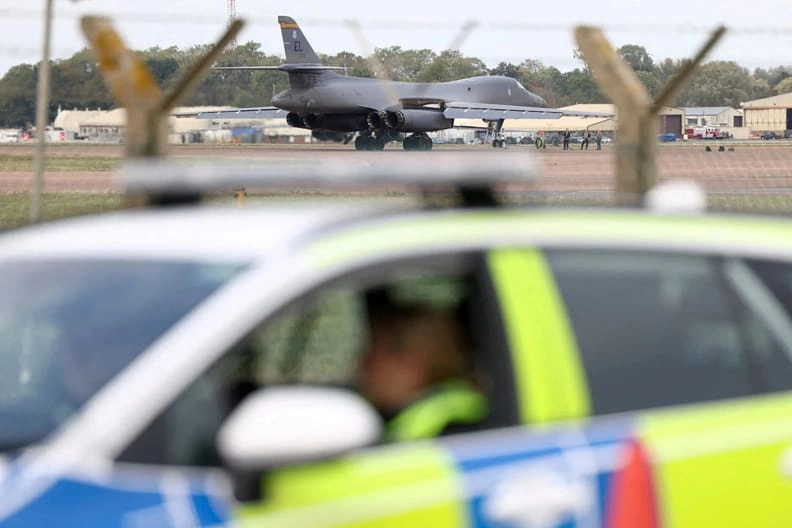
Prosecution statements indicate that one suspect surveilled the base in August, filming the fences and entrances and trying to determine whether aircraft were visible behind the security barriers.
In September, around 65,000 pounds sterling was collected, according to the British prosecution, to fund the purchase of five vans, which were fitted with decals suggesting they belonged to fuel service and pool maintenance companies. The purchases also included metal drums, chemicals and tools, which investigations said may have been intended for use in carrying out the attack.
A US indictment links al-Hasani to a network including an Iranian Revolutionary Guard official, Mohammed Baqir Saad Dawood al-Saadi, whom authorities accuse of planning terrorist operations in Europe, though he denies sending encrypted messages linked to the plot.
فشل العملية يكشف حدود حرب الوكالة
The plan did not go as its organizers appear to have expected; the vehicles were surprised by a security barrier near the base, and the suspects withdrew before calling the police. British authorities found no explosives inside the vehicles, only fuel drums, raising questions about the nature of the operation: was it a real attack attempt, a dry run, or a scheme to start fires and sow panic?
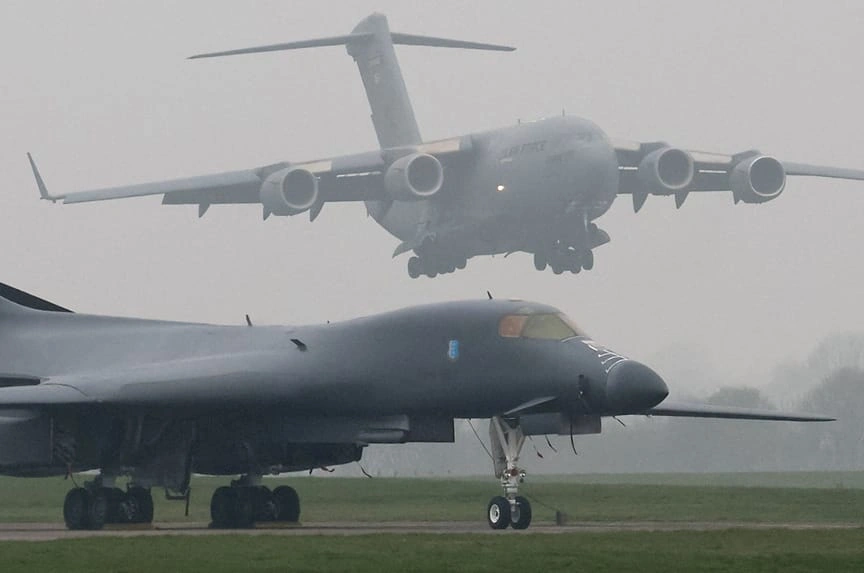
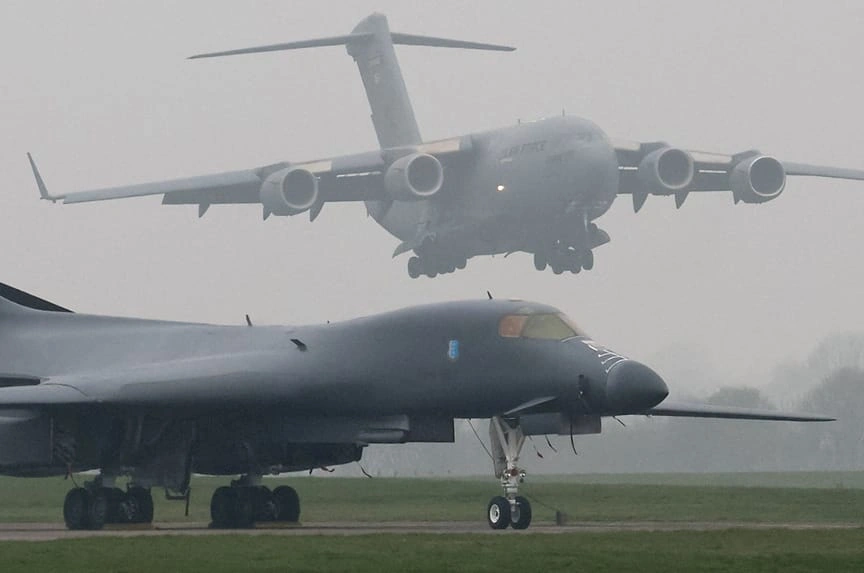
US and British assessments diverged on the level of danger. Washington quickly evacuated 12 B-1 bombers stationed at the base, amid additional fears of drone attacks, while some British officials considered that the aircraft were not at real risk and that the evacuation may have handed Iran an undeserved propaganda victory.
تهديد مستمر رغم التعثر
Despite the plot's failure, British military bases remain on alert, with reinforced security measures and fears of drone attacks.
The case points to the widening scope of Iran's alleged shadow war, from targeting dissidents and civilian communities to approaching military installations, but it also reveals flaws in execution, conflicting information, and the difficulty of turning threats into successful operations.