Iraq, Iran Affirm Security Coordination and Ban on Using Their Territory to Attack Neighboring Countries
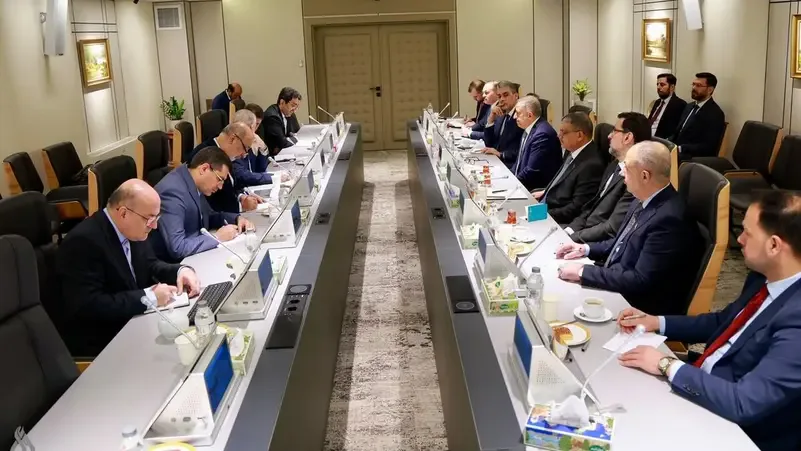
Iraq and Iran discussed in Tehran ways to enhance security coordination and control their shared border during a meeting of the Security Agreement Committee, with both countries affirming they would not allow their territory or airspace to be used to launch attacks on neighboring countries, amid U.S. pressure to close border crossings.
Iraq and Iran on Sunday, November 29, 2026, discussed ways to enhance security coordination and control their shared border during a meeting of the joint Security Agreement Committee in the Iranian capital Tehran, with both countries affirming they would not allow their territory or airspace to be used as a platform for attacks on neighboring countries.
The Iraqi News Agency (INA) said the meeting was attended by delegations from both countries and stressed continued dialogue and coordination on regional security conditions and strengthening commitment to the joint security agreement.
Border and Crossing Control
The meeting coincided with talks held by Iraqi National Security Advisor Qassim al-Arboudi in Tehran with Iranian Foreign Minister Abbas Araqchi, addressing border control and Iraqi force deployment plans, along with the file of unofficial crossings not under federal authority and the presence of Iranian opposition groups inside Iraqi territory.
Al-Arboudi renewed Baghdad's rejection of the use of Iraqi territory or airspace as a launching point to threaten the security or stability of neighboring countries, stressing the government's keenness to build balanced relations based on mutual respect and good neighborliness.
For his part, Araqchi stressed the importance of neighboring countries to Iran, noting that they top his country's priorities and play an extremely important role, especially amid U.S. sanctions and pressure.
Warnings and Pressure
These moves follow warnings issued by Iranian officials regarding Iraqi measures at the borders and commercial crossings.
Iran's Supreme National Security Council Secretary Mohsen Rezaei, during his meeting with al-Arboudi, also called for not allowing external parties to negatively affect economic cooperation between the two countries, Iranian media reported.
These positions coincide with U.S. pressure on Baghdad to close all border crossings with Iran except two, as part of Washington's efforts to expand its economic pressure on Tehran by restricting overland trade, following the maritime blockade imposed on it.
Iraqi forces had closed unofficial border crossings in recent days as part of a campaign Baghdad said targets smuggling and strengthens federal control over crossings, while Iraqi Foreign Minister Fuad Hussein warned that closing crossings with Iran could harm the Iraqi economy and be difficult to implement.
Iranian Affirmation of the Priority of Neighbors
In a related context, Araqchi said preventing the use of countries' territory to launch attacks on other countries is an international legal obligation, calling on Iraq to prevent any party from using its territory or airspace in operations targeting Iran. He made the remarks during his meeting with the Iraqi National Security Advisor on the sidelines of a ceremony marking Economic Cooperation Organization (ECO) Day.
These statements reflect the interlocking of security and economic files in relations between Baghdad and Tehran, as Iraq seeks to control its borders and prevent their use in any regional escalation, while Iran insists on maintaining channels of trade and security cooperation with its neighbor, amid mounting U.S. pressure.