Al-Ibrahim: Our Non-Oil Revenues Have Tripled (3 Times) Since the Vision
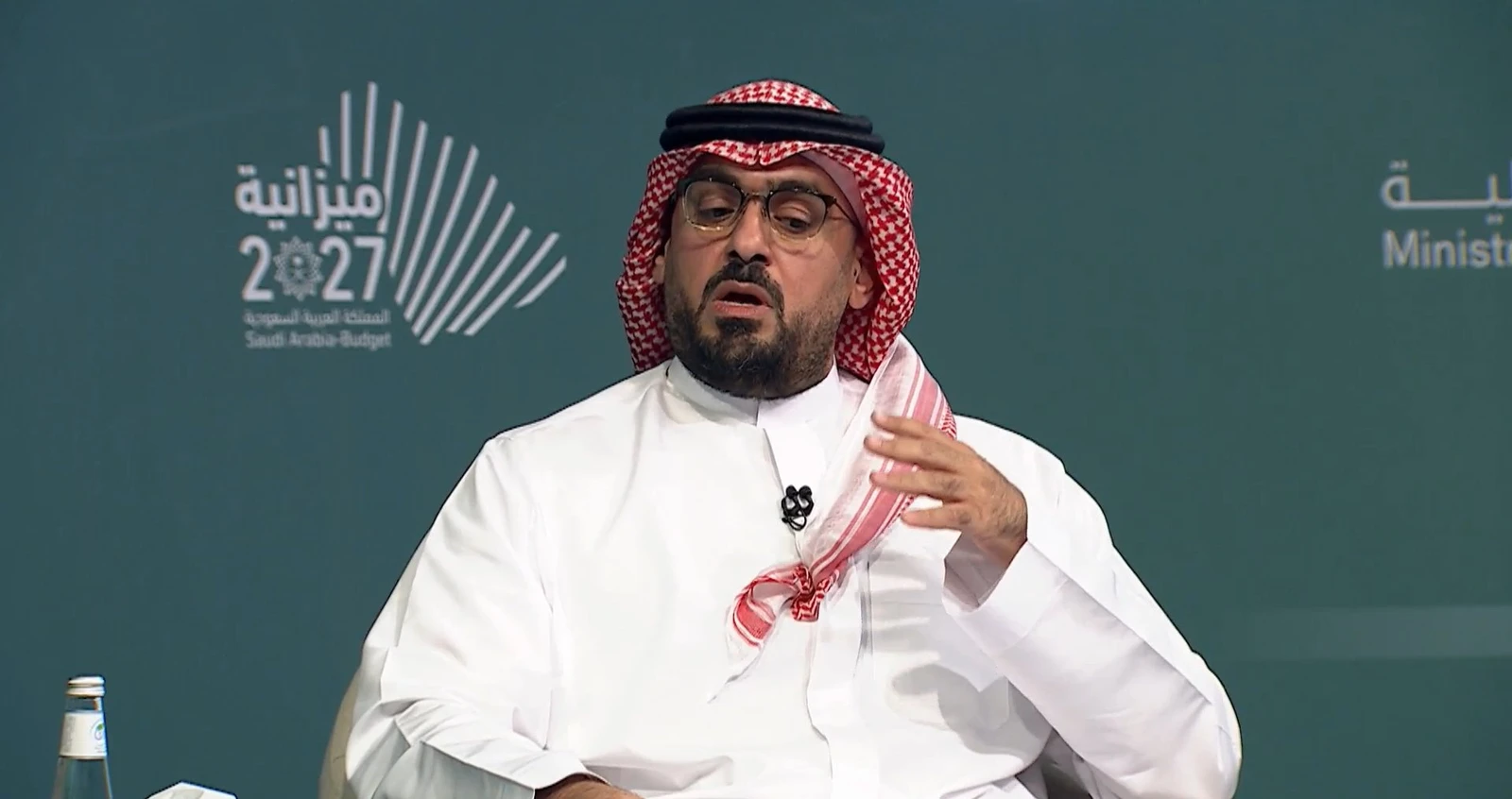
Saudi Minister of Economy and Planning Faisal Al-Ibrahim revealed expectations that the Kingdom's non-oil economy will grow by 4.7% in 2027, noting that the state's non-oil revenues have grown 3-fold since the launch of Saudi Vision 2030, coinciding with foreign capital inflows and exports rising to record levels over the past four years.
Al-Ibrahim said, during the 2027 Budget Forum, that the Kingdom is moving toward strengthening economic integration, benefiting from long-term planning and advanced infrastructure to attract investors, noting that the Kingdom's production stands at 10.6 million barrels of oil per day.
He added that non-oil activities grew by 1.8% during the first nine months of 2026, while exports reached their highest levels in 4 years, with Red Sea ports accounting for 41% of total non-oil exports.
Growth in the Kingdom's digital economy reaches around half a trillion riyals
Al-Ibrahim explained that the investments the Kingdom has pumped into digital infrastructure over the past ten years contributed to the digital economy growing by about 70% to 75% annually, and its size rising to between two and three times, reaching around half a trillion riyals.
He noted that the Kingdom topped the G20 countries in digital transformation in 2020, stressing that digital infrastructure proved its importance in enhancing economic resilience during crises, having helped sustain remote education and work during the coronavirus pandemic.
He pointed out that trade exchange volume reached around 400 billion riyals, while digital trade exchange reached around 100 billion riyals in the last quarter, representing 30% of total trade exchange, according to data from the General Authority for Statistics and the Saudi Central Bank.
He added that around 420,000 national talents work in the fields of technology, space, artificial intelligence and cybersecurity, reflecting the growth of specialized human capabilities in the digital and technology sectors.
In the transport and logistics services sector, Al-Ibrahim affirmed that the Kingdom has exceeded the targets of the National Transport and Logistics Strategy ahead of their set deadlines, noting that the sector has demonstrated its ability to handle the challenges imposed by regional and international crises and disruptions.
He explained that exports and imports recorded growth exceeding 5%, coinciding with the implementation of fast-track initiatives that helped maintain the efficiency and continuity of supply chains.
He noted that the Kingdom addressed maritime challenges in record time, and air freight at Riyadh airport recovered its operational capacity within a short period following recent events, reflecting the logistics system's ability to deal with changes.
He affirmed that investments in infrastructure and logistics initiatives contributed to enhancing the efficiency of trade movement and the continued flow of goods and production inputs.
Al-Ibrahim congratulated the Minister of Communications and Information Technology on the occasion of the Kingdom ranking first in digital government services, stressing that the achievements realized across various sectors came thanks to the leadership's support and continuous guidance.