'Innovation Begins with the Problem, Not the Solution': Al-Mansour Reveals the Inside Story of Judging 'SAFE' Innovations
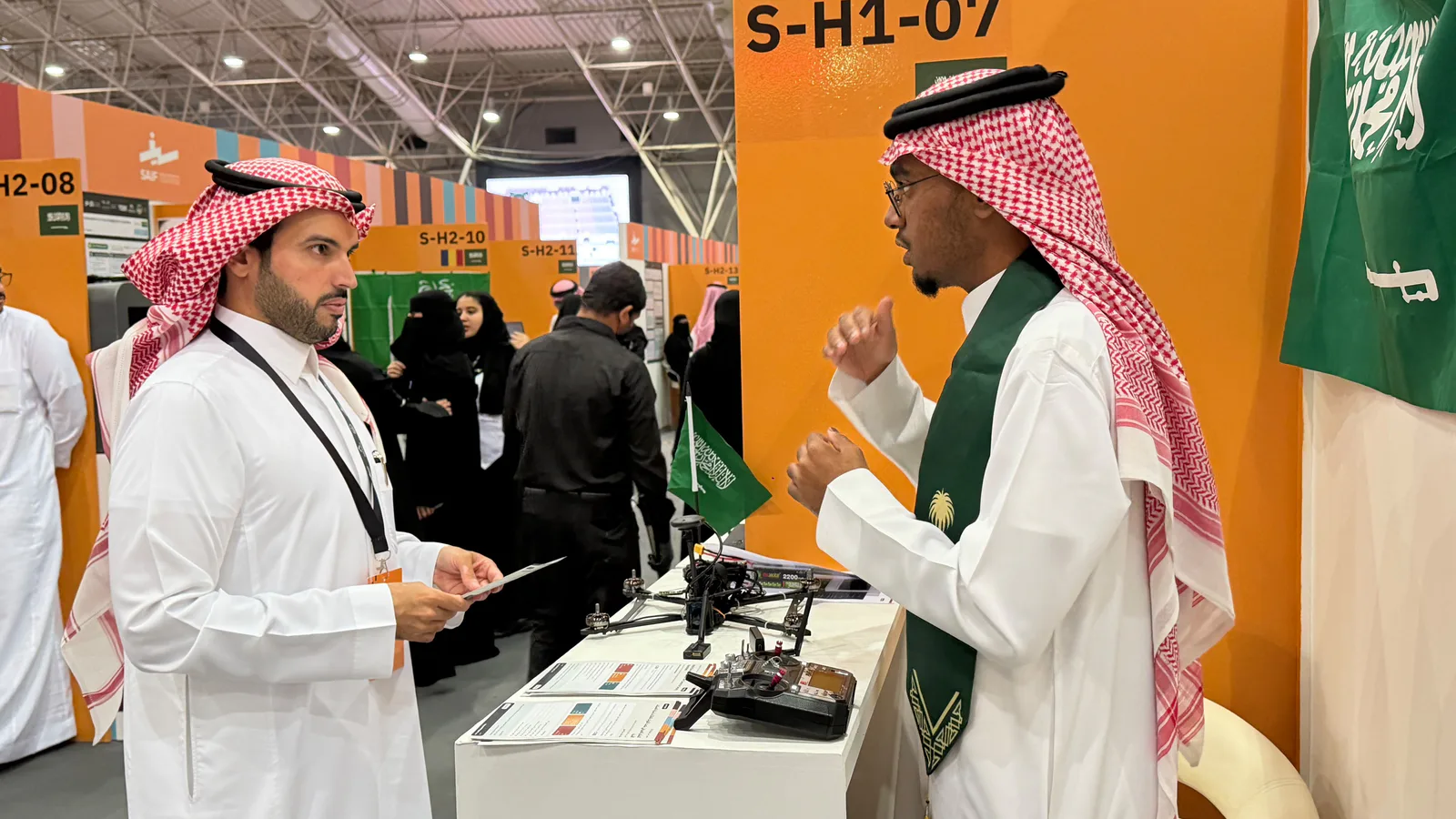
Dr. Abdullah Al-Mansour, one of the judges of the global Security and Innovation Exhibition and Competition 'SAFE,' revealed the inside story of the judging process and the criteria that make the difference between a promising idea and an innovation capable of success, praising the level of the participating Saudi youth and calling for embracing innovative projects and turning them into products that reach markets and make…
In the corridors of the global Security and Innovation Exhibition and Competition 'SAFE,' where innovators compete to present technological solutions to real-world challenges, the judges' task appears to run deeper than merely evaluating an idea or showcasing a technical model; it extends to exploring these innovations' ability to leave the display platforms and become applicable solutions that make a real difference in people's lives.
In an exclusive interview with '', Dr. Abdullah Al-Mansour, one of the judges of the innovations competing in the competition, revealed the inside story of the judging process and the criteria that separate a promising idea from an innovation capable of success, speaking about his view of the level of Saudi youth, the future of innovative projects, and the importance of their journey continuing beyond the end of the competitions.
More Than Just a Showcase of Ideas
Al-Mansour described the 'SAFE' exhibition and competition as a major national platform for security and technological innovation, organized by the Ministry of Interior in cooperation with Tuwaiq Academy, with this year's edition held in Riyadh as part of the activities of the Global Security and Technology Summit.
He explained that what distinguishes 'SAFE' is that it is not limited to showcasing ideas and projects, but offers an integrated pathway that begins with screening and qualification and ends with evaluating the readiness of the innovations and the impact they can achieve on the ground.
Three Questions That Test an Innovation's Value
Regarding his work judging the competing projects, Al-Mansour explained that the judging process goes through two main stages; the first focuses on the clarity of the problem the innovation addresses, the extent of its connection to a real need, as well as the originality of the idea.
The second stage moves on to evaluating the innovation in the field, testing the feasibility of the solution and its applicability and scalability, along with the team's ability to explain its idea, defend it, and answer the judges' questions.
Al-Mansour revealed three questions he makes sure to ask innovators, which in essence encapsulate the core of the evaluation process, saying: 'My questions to every participant are always: What is the problem? For whom? And what difference will your solution make compared to the reality of today?'
Saudi Youth Who Think About the Problem Before the Solution
Al-Mansour did not hide his admiration for the level of Saudi youth participating in the exhibition, describing the innovative capabilities and talents he witnessed as commendable, and noting the maturity of thinking he observed and the ability to take ideas from theoretical conception to prototypes.
He said: 'What I saw today is young people who think about the problem before the solution, build a prototype, and master presenting their idea before the judges.'
Al-Mansour believes the next stage requires building on this excellence by turning promising projects into products, documenting their intellectual property, building partnerships that support their continuity, and accompanying them after the competition ends until they reach the markets.
Innovation Does Not End at the Awards Podium
In his view of the future of the competing innovations, Al-Mansour stressed the importance of an innovator's journey not stopping with the end of the competition, affirming that reaching the market represents an essential station in an idea's journey.
Innovation, in his view, is the first building block of future operations, whether predictive, proactive, or operational, while continuous development, research, and learning remain among the most important factors for its success and sustainability.
'Research, Then Research, Then Research'
In words that summed up his advice to anyone interested in the world of innovation, Al-Mansour said: 'Research, then research, then research, and keep developing your innovation until it succeeds, and after success, follow up, develop, and learn.'
He called on innovators, especially those preparing for their first experiences, to start from problems they know well, to take the initiative to test their solutions, to accept feedback, and to review their ideas after every experiment.
A Message to Leaders: Innovation as an Institutional Practice
Al-Mansour's messages were not limited to innovators; he also addressed a message to leaders and decision-makers, in which he affirmed that innovation should be an institutional practice, provided with an environment that protects it, metrics that evaluate it, and channels that turn it into tangible impact.
Al-Mansour concluded his remarks to '' by thanking the Ministry of Interior and Tuwaiq Academy, and everyone who contributed to organizing this national event, expressing his hope that every innovator would leave the exhibition with a more mature idea, a wider network of relationships, and a determination that drives them to continue their journey after the competition ends.