"Nanorobots" Deliver Cancer Drugs to the Brain More Effectively
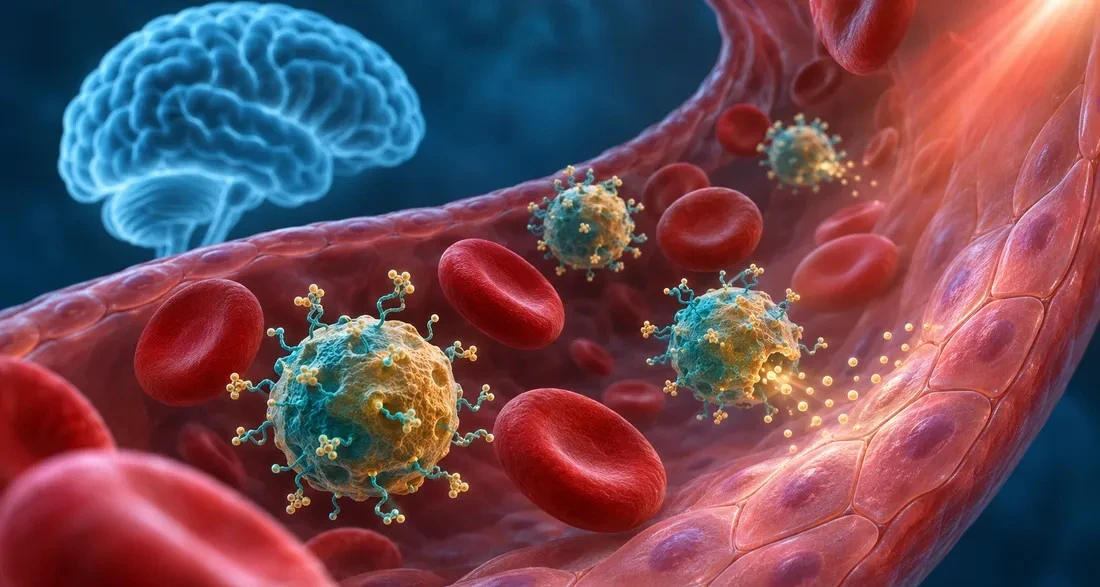
Researchers have developed light-activated nanorobots capable of delivering drugs to the brain by bypassing the blood-brain barrier, a step that could open new horizons for treating brain tumors and neurological diseases.
The new technology succeeded in delivering drug quantities five times greater than those achieved by robots not activated by light.
Experiments on mice conducted at the California Institute of Technology showed the new technique successfully delivered drug quantities to their brains five times greater than those carried by similar robots not activated by light, while reducing the toxic effects of chemotherapy on the rest of the body.
The study's results were published in the journal "Science Robotics," while the Financial Times highlighted the technology's potential and the challenges of applying it to humans.
The technology relies on nanorobots that the researchers dubbed "brain bots," each measuring about 250 nanometers, hundreds of times smaller than the width of a human hair.
Drugs targeting the brain face a major obstacle in the blood-brain barrier, which protects brain tissue from harmful substances and pathogens, but at the same time prevents many drugs from passing through at sufficient therapeutic concentrations.
The drug-loaded robots are injected into the bloodstream, then activated by near-infrared light through the skull. The light energy generates heat that produces a gas propelling them toward the cells forming the barrier.
These robots are made of biocompatible, biodegradable materials designed to break down after completing their mission, while the technology still requires further studies to assess its safety and effectiveness before use in humans.