Real Estate in the Balance of Development: Who Protects the Equilibrium?
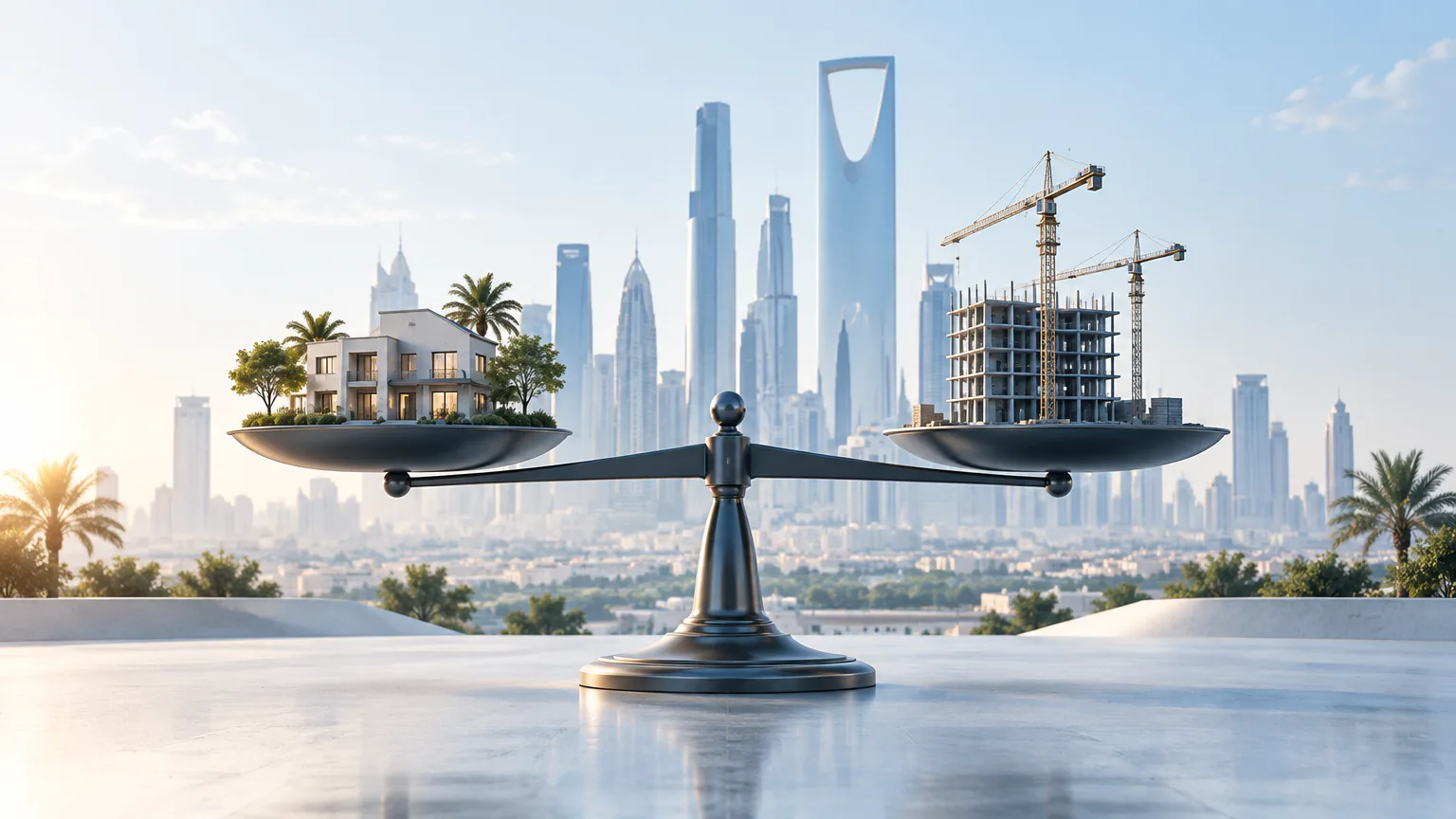
The writer argues that Saudi Arabia's 2027 budget highlights the real estate sector as one of the drivers of development, citing the entry of some 86,000 new residential units into the Riyadh market, the narrowing of the projected housing gap through 2030, and the ministry's plan to inject 80,000 units and developed land…
Saudi Arabia's 2027 budget reflects the kingdom's continued drive to boost economic growth, diversify its sources, stimulate investment, and raise quality of life, in line with the targets of Saudi Vision 2030. The real estate sector stands out as one of the tributaries of development and engines of the economy, given the investments, jobs, and activities associated with it, whose effects extend to numerous economic sectors.
Statements by Minister of Municipal and Rural Affairs and Housing Majid Al-Hogail, coinciding with the budget announcement, reveal the contours of a new phase in the real estate market, centered on increasing supply, stimulating development, and working to balance supply and demand.
Among the most prominent indicators is the entry of some 86,000 new residential units into the Riyadh market, compared with a historical annual average of roughly 50,000 units, along with a decline in the projected housing gap through 2030 from about 360,000 units to approximately 315,000. The ministry also aims to inject 80,000 residential units and developed land during 2027, as part of expanding housing options and keeping pace with growing demand.
But behind these figures a central issue emerges: how to manage the real estate market's growth in a way that serves citizens' interests while preserving investment appeal and the sustainability of developers' businesses.
Citizens aspire to suitable housing priced within their means, while real estate developers need a stimulating investment environment, more flexible procedures, and financing and development facilitations that guarantee project viability and continued investment. The equation that should govern the market's future takes shape between these two parties.
Equilibrium cannot be achieved by pressuring one party in favor of the other; overburdening developers with additional costs could limit project viability and affect supply volumes, while passing development costs and burdens onto unit prices weakens citizens' purchasing power and limits ownership opportunities.
Hence the importance of well-designed incentives and facilitations, starting with providing developed land, accelerating licensing procedures, and improving financing opportunities, through to encouraging modern construction technologies and reducing building costs, enabling developers to offer competitive products and giving citizens housing options suited to their means.
Most importantly, this approach must proceed from a comprehensive economic perspective; the real estate sector is not isolated from other activities, but is linked to industry, building materials, financing, transport, trade, services, and tourism. Stimulating it should therefore reinforce the growth of these sectors and open new opportunities for them, rather than leading to the concentration of investments and liquidity in real estate at the expense of other economic tracks.
The real challenge ahead is not merely increasing the number of housing units, but building a balanced market that guarantees citizens a reasonable chance of ownership, developers a viable return on investment, and investors a stable, stimulating environment, without undermining economic diversity and sustainable growth.
فالنجاح الحقيقي للقطاع العقاري لا يقاس بما يُبنى ويُباع فقط، بل بقدرته على تحقيق معادلة عادلة: مسكن في متناول المواطن، واستثمار مجدٍ للمطور، وقيمة مضافة للاقتصاد الوطني.